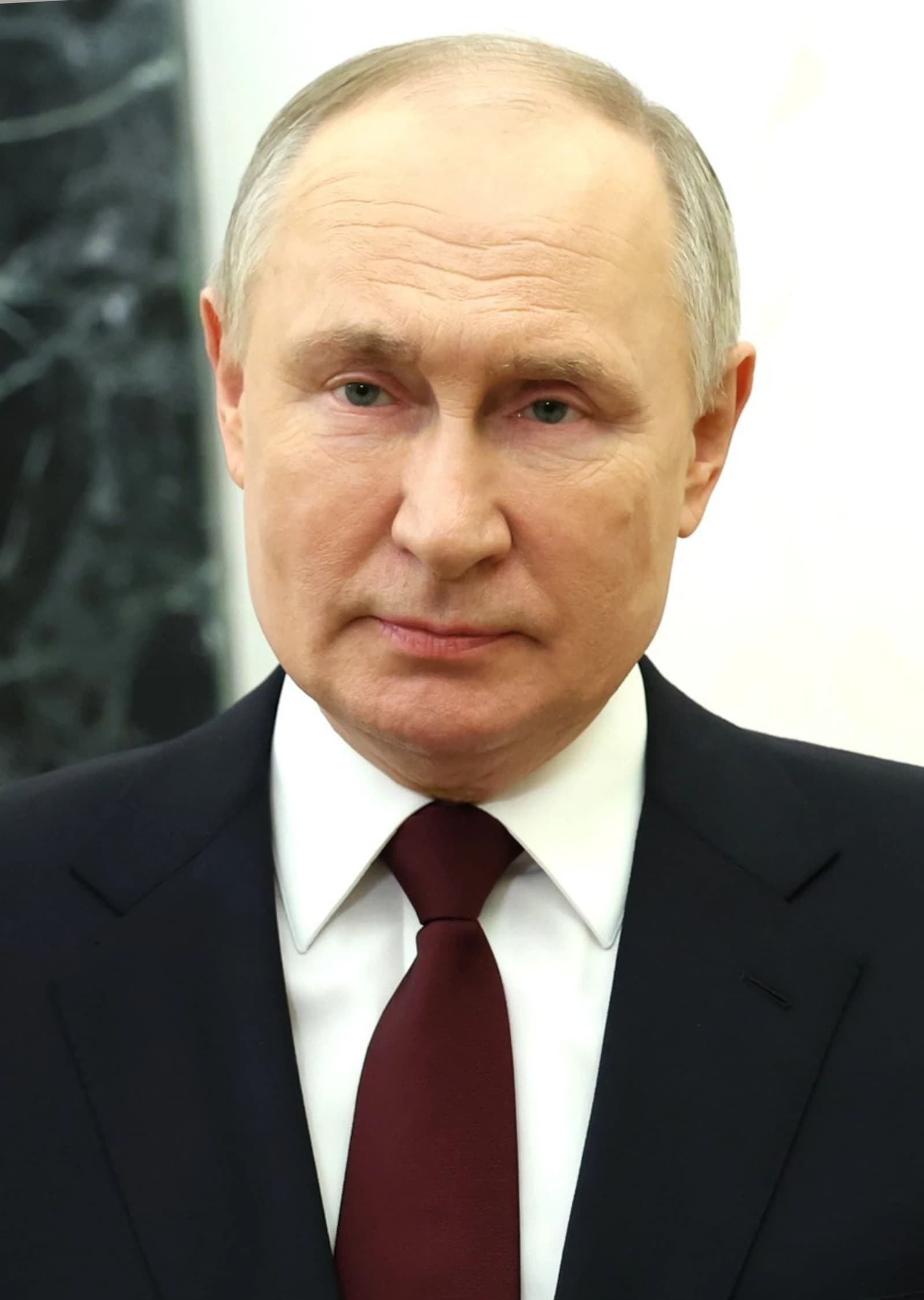
Xi Jinping used a high-profile 90th anniversary commemoration of China’s World War II-era “death march” to sharpen a nationalist message at a moment when Beijing is under pressure to project stability at home and resolve abroad.
China equities weaken as Xi sharpens nationalist tone
The Chinese leader’s line that “we must fight boldly” turns a historical remembrance into a present-day political signal: the Communist Party is framing national security, discipline and loyalty as core priorities as it tries to reinforce domestic cohesion. That matters because Beijing’s messaging increasingly shapes policy expectations on trade, security and stimulus, and it also feeds investor views on how aggressively China will respond to external pressure.
Sentiment Indicators
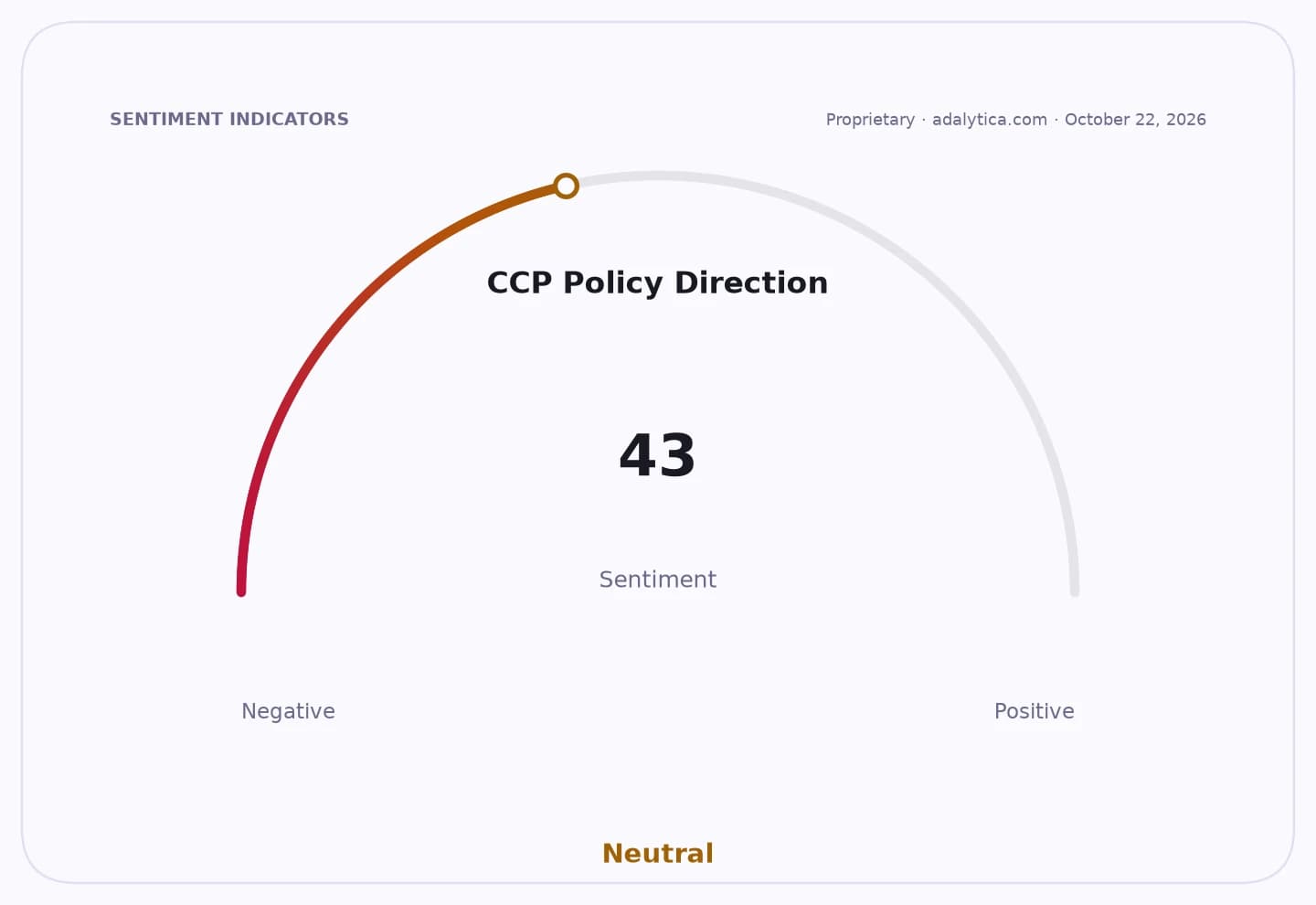
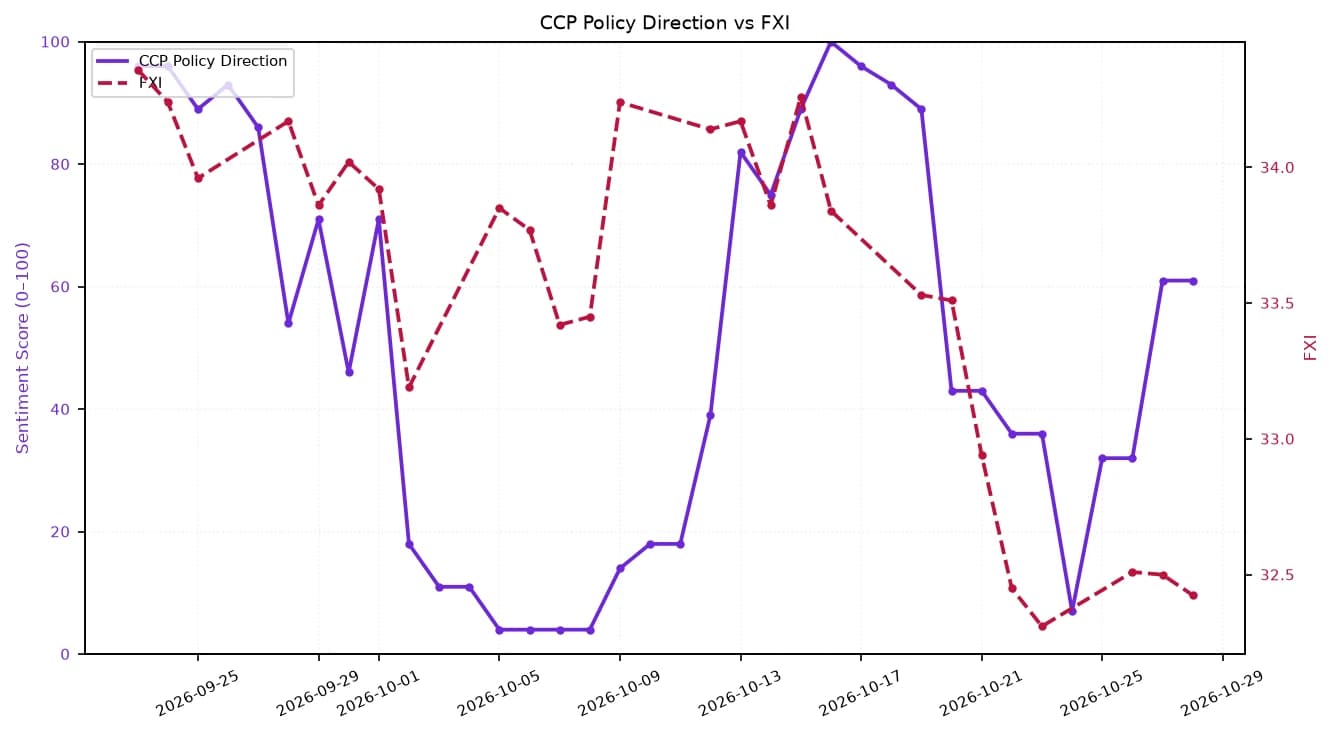
The backdrop is a more fraught geopolitical environment, with markets still sensitive to China-US tensions and any sign that Beijing is leaning harder into confrontation rather than compromise. Adalytica’s China CCP Policy Direction Sentiment stands at 61, neutral, while awareness is flagged at 93, or “Extreme Greed,” indicating the topic is drawing outsized attention even if the directional signal is not yet extreme.
For investors, the main implication is not the ceremony itself but the policy tone it reinforces. A harder nationalist stance can complicate negotiations, elevate geopolitical risk premia and keep pressure on China-linked assets that are already fragile.
That caution is visible in exchange-traded funds tied to China and Hong Kong. The iShares MSCI China ETF, FXI, closed at 32.42, below its 50-day moving average of 34.3 and its 200-day moving average of 35.59, while the iShares MSCI Hong Kong ETF, EWH, ended at 21.83, just under both its 50-day and 200-day averages. The iShares MSCI China ETF, MCHI, finished at 48.97, well under its 50-day average of 52.7 and 200-day average of 55.67, with RSI readings around 29 suggesting the fund remains in technically weak territory.
The broader story is that China’s leadership is pairing historical memory with current-day political consolidation, using nationalist language to bolster authority and signal resilience. With the market already wary of growth risks, policy tightening and external friction, any further turn toward hard-line rhetoric could keep Chinese equities and Hong Kong proxies under pressure.
| Entity | Gains | Losses |
|---|---|---|
| Xi Jinping / CCP | ▲Political cohesion | ▼Policy flexibility |
| State media / nationalists | ▲Stronger narrative | ▼Less room for compromise |
| China-linked equities (FXI, MCHI) | ▲None immediately | ▼Higher risk premium |
| Global investors | ▲Clarity on rhetoric | ▼Risk of geopolitical volatility |