China has confirmed a second cluster of Haff disease tied to carp after five people in southern Guangdong province developed rhabdomyolysis following a family meal of wild red-tailed carp, underscoring a rare but potentially serious food-safety risk that can trigger kidney damage and prompt tighter scrutiny of wild freshwater fish.
China Confirms Second Haff Disease Cluster Linked to Carp
The outbreak matters because Haff disease, a foodborne syndrome that causes sudden muscle breakdown, is uncommon in China and usually linked to crayfish rather than fish. Public-health officials said four of the five patients in Heyuan city met the clinical criteria for Haff disease and all recovered after treatment, but the case adds to pressure on food-safety authorities to warn consumers away from unverified wild freshwater catches.
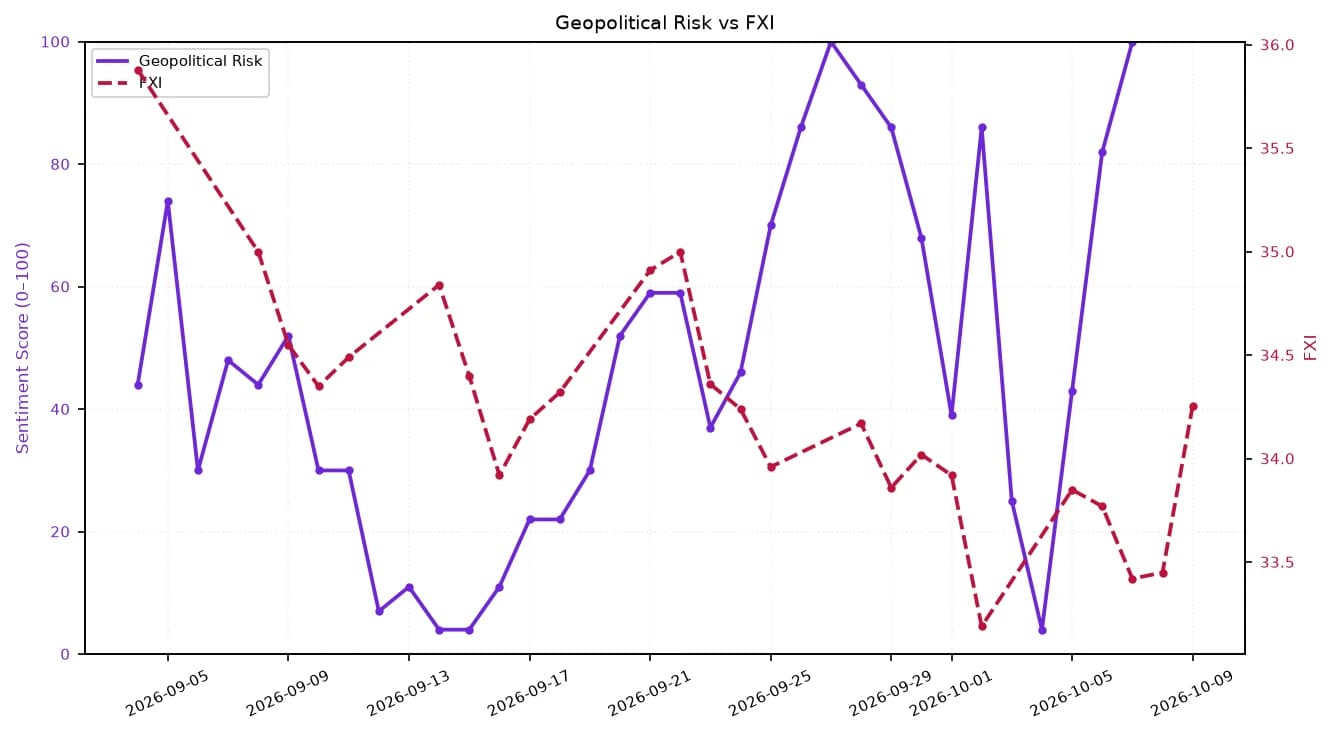
Sentiment IndicatorsⓘProprietary · adalytica.com · October 12, 2026
This is a snapshot — live sentiment, awareness and momentum for 130+ markets update continuously in the dashboard.Open AlphaPulse
According to China CDC, the family of seven ate one wild red-tailed carp weighing 2.5 kilograms, caught from a small bay in a local reservoir, during an April gathering. Five people who ate the fish developed rhabdomyolysis; three had eaten both raw and cooked portions, while two ate only cooked fish. The two family members who did not eat the fish showed no abnormal symptoms.
Researchers said the incident is only the second confirmed Haff disease cluster in China linked to carp, and it broadens the list of suspected triggers beyond crayfish. That matters for public health because the syndrome typically begins within 24 hours of eating contaminated freshwater seafood and can progress to acute kidney injury in severe cases.
Doctors warned that wild freshwater fish carry a higher risk than formally inspected farmed products, and said people should avoid eating wild fish of unknown origin, never consume freshwater fish raw, and seek medical care if muscle pain or dark urine appears after a meal. Officials have kept leftover fish samples for further testing as investigators try to determine the still-unknown cause of the illness.
For investors, the immediate market impact is limited, but the episode reinforces a broader theme in China and across Asia: food-safety scares can quickly influence consumer behavior, restaurant sourcing, and regulatory oversight. Any widening of warnings around wild freshwater seafood could weigh on local supply chains while benefiting inspected aquaculture producers and processors that can market traceability and compliance.
| Entity | Gains | Losses |
|---|---|---|
| Inspected fish suppliers | ▲Safer-demand tailwind | ▼Limited |
| Wild freshwater fish sellers | ▲Limited | ▼Demand hit, tighter scrutiny |
| Public health regulators | ▲Stronger case for inspections | ▼Pressure to prevent repeat cases |
| Consumers | ▲Better awareness of risk | ▼Higher caution, fewer raw-fish choices |