Russia is under growing pressure to explain whether it complied with international health rules after the death of a 28-year-old lab technician at a plague research institute triggered fears of a possible leak and accusations that Moscow did not promptly notify the World Health Organization.
Russia plague lab death draws WHO reporting scrutiny
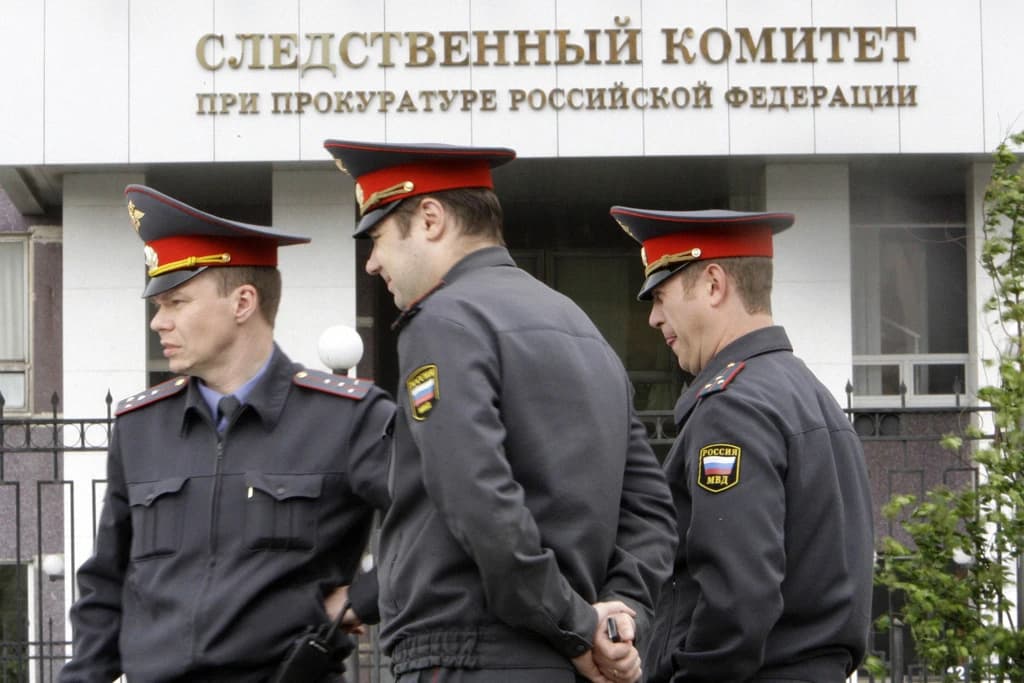
The case matters because the International Health Regulations require countries to alert WHO within 24 hours of a serious health event that could cross borders. If Russia delayed or withheld information, it would underscore a broader weakness in the global outbreak system at a time when governments are already bracing for the next fast-moving pathogen.
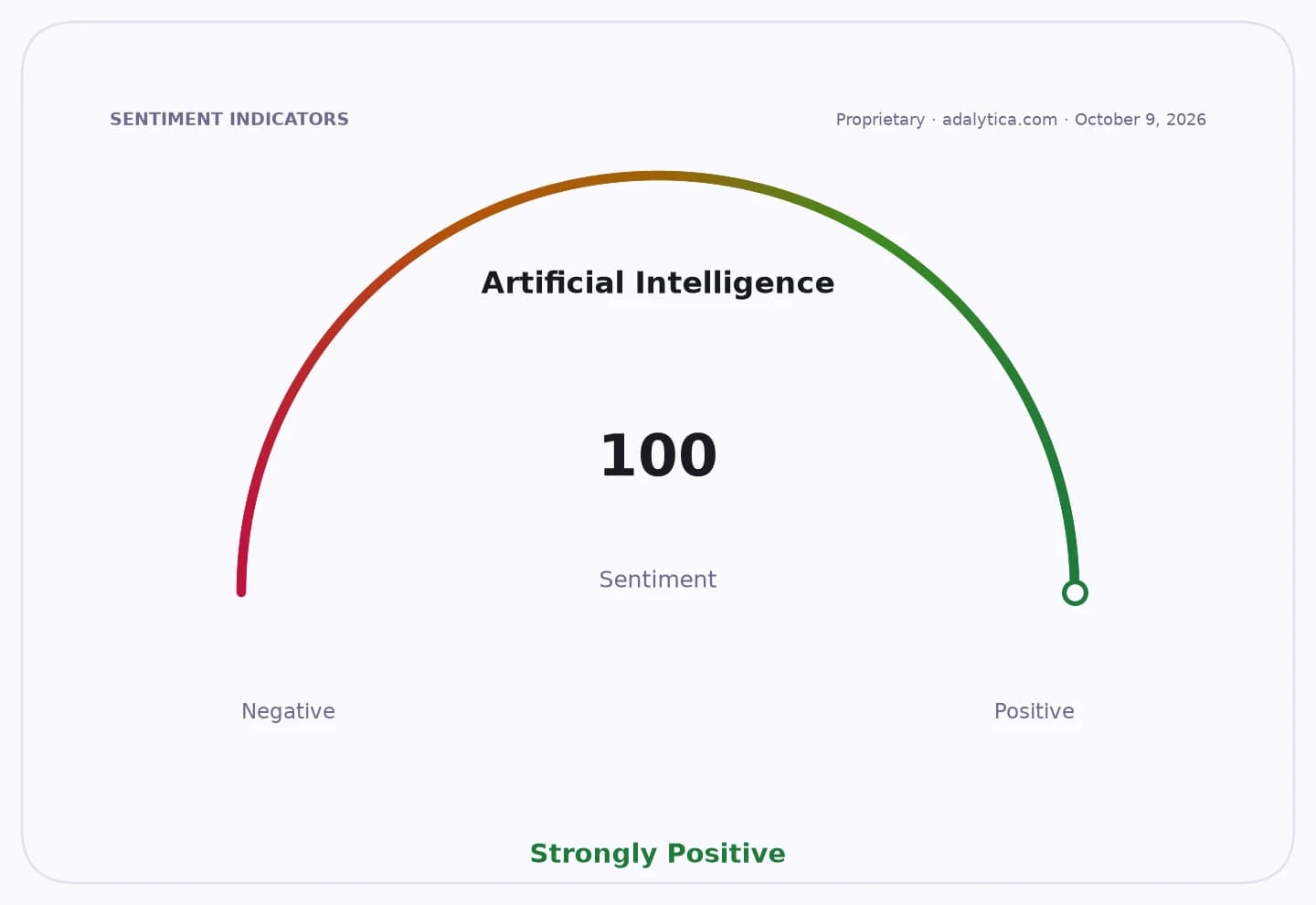
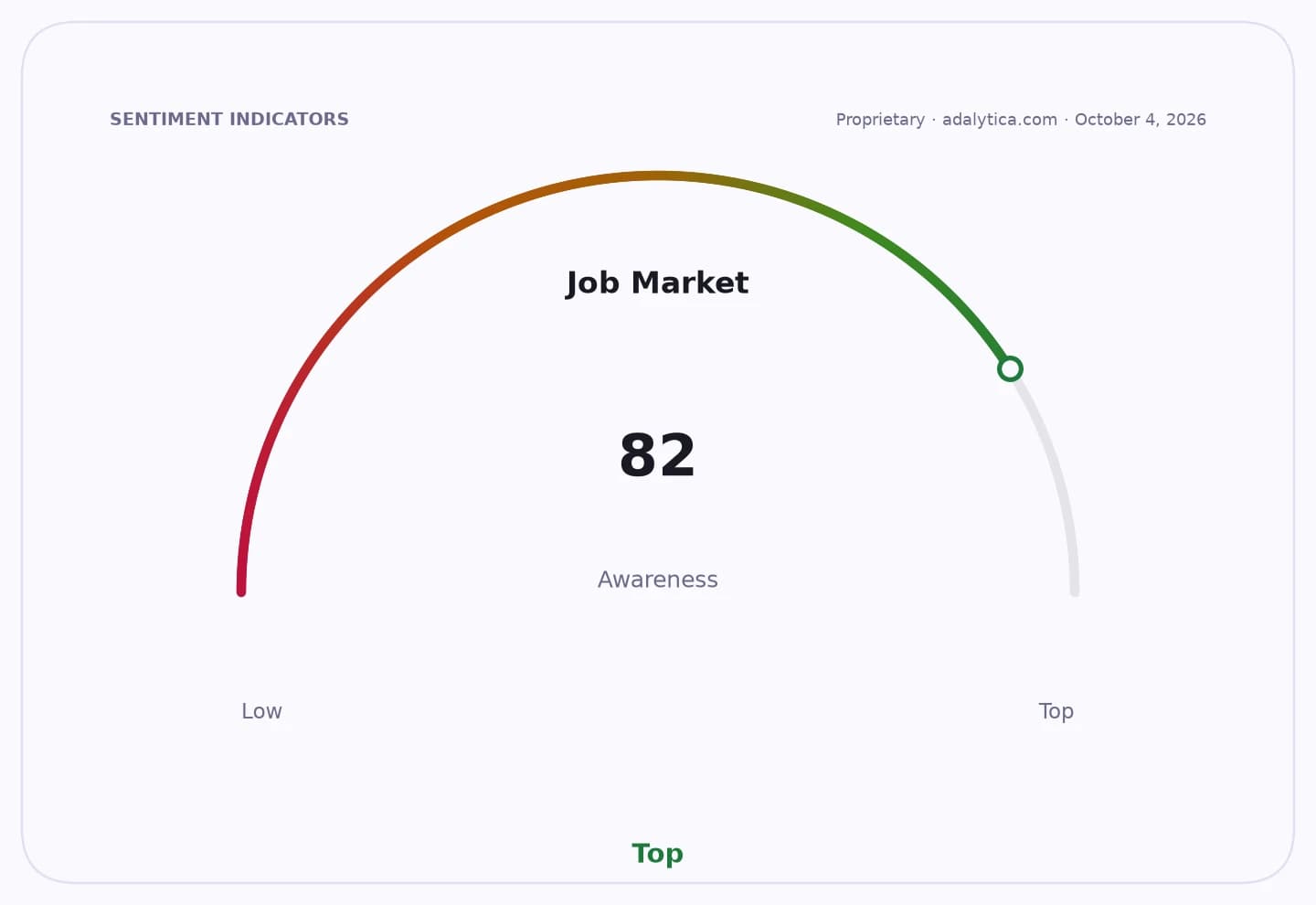
Sentiment IndicatorsⓘProprietary · adalytica.com · October 12, 2026
This is a snapshot — live sentiment, awareness and momentum for 130+ markets update continuously in the dashboard.Open AlphaPulse
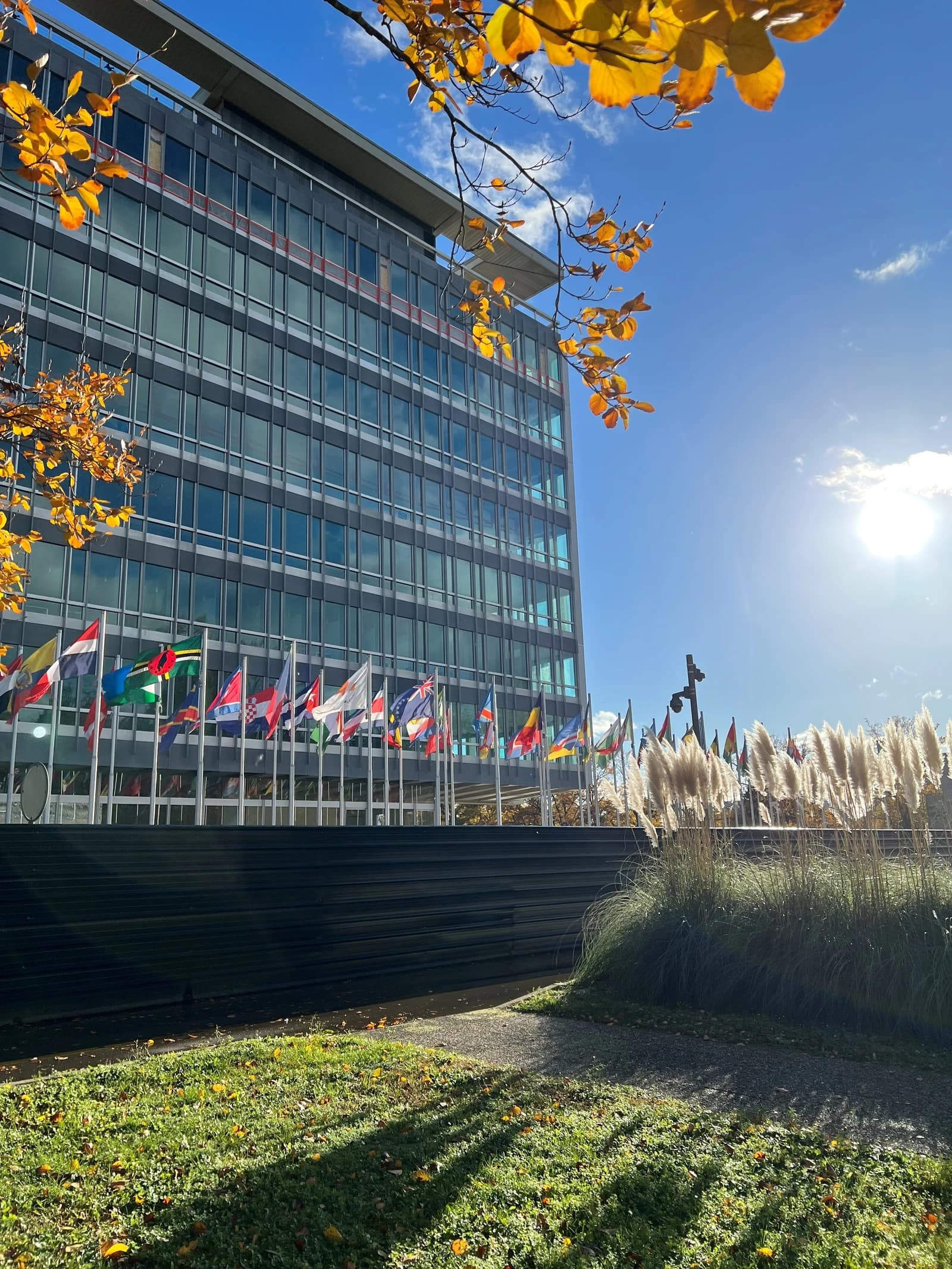
WHO Director General Tedros Adhanom Ghebreyesus said the agency still does not have a full picture and needs “timely, complete and transparent information sharing” to assess the risks. WHO said it first learned of the death through media reports on Oct. 3, then sought verification from Russian authorities.
Russia later told WHO on Oct. 6 that there were no plague cases in the region and that the woman had been hospitalized with severe pneumonia of unknown origin before she died. Officials also said around 200 contacts were placed in quarantine, but WHO asked for more detail on lab tests, public health measures and the health status of those contacts.
The episode has revived scrutiny of a treaty that dates back to the 19th century and now has 197 signatories, including Russia and the U.S. Legal experts say the rules are only as strong as the willingness of governments to follow them, since there is no mechanism to force compliance.
For investors, the immediate market impact is limited, but the broader relevance is clear: gaps in cross-border disease reporting raise the odds of slower containment, more disruption to travel and trade, and renewed pressure on public health systems and vaccine makers if the event develops into a wider incident.
WHO and independent experts say the risk to the general public appears low for now, but the next few days and weeks will determine whether Russia releases fuller information or whether the case becomes another example of how fragile global health transparency remains.
| Entity | Gains | Losses |
|---|---|---|
| WHO | ▲More leverage for transparency | ▼Credibility if reports stay incomplete |
| Russia | ▲Limits immediate panic if no outbreak emerges | ▼Trust over health reporting |
| Global health regulators | ▲Stronger case for IHR enforcement | ▼Weakness exposed by noncompliance |
| Investors in travel/public health names | ▲Less disruption if risk stays contained | ▼Volatility if outbreak fears spread |