Vilnius is considering a change that would let sick employees stay home for two days without a doctor’s certificate, a move that could cut administrative friction for workers and doctors but raise costs and absenteeism risk for employers.
Lithuania considers two-day sick leave without doctor note
Former health minister and current prime minister’s adviser Marija Jakubauskienė is proposing that the first two days of illness be covered by employers, with a pilot program rather than a nationwide mandate. The idea is aimed at easing pressure on family doctors and reducing unnecessary visits for mild colds and flu, which are now the most common triggers for sick-leave requests.
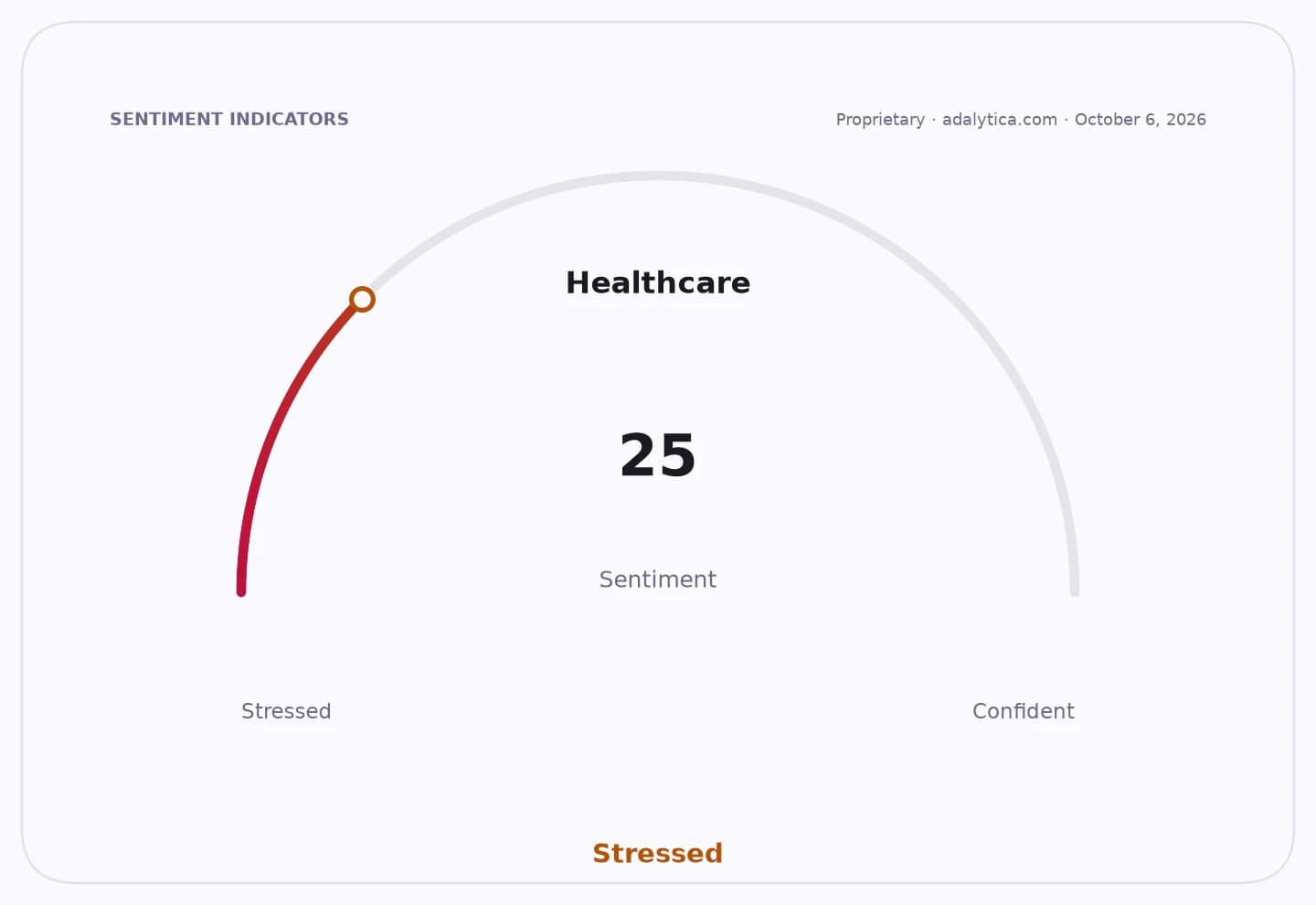
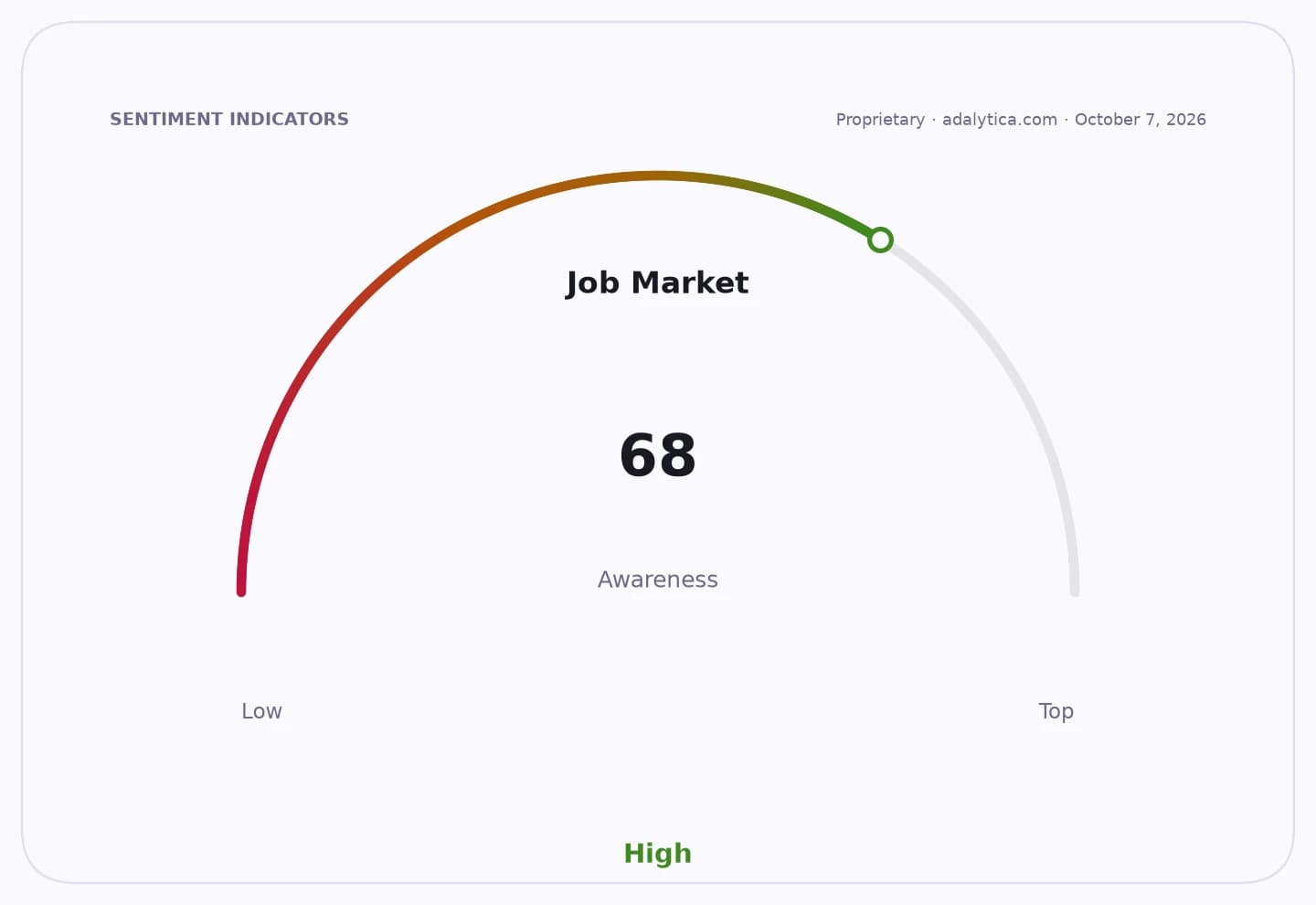
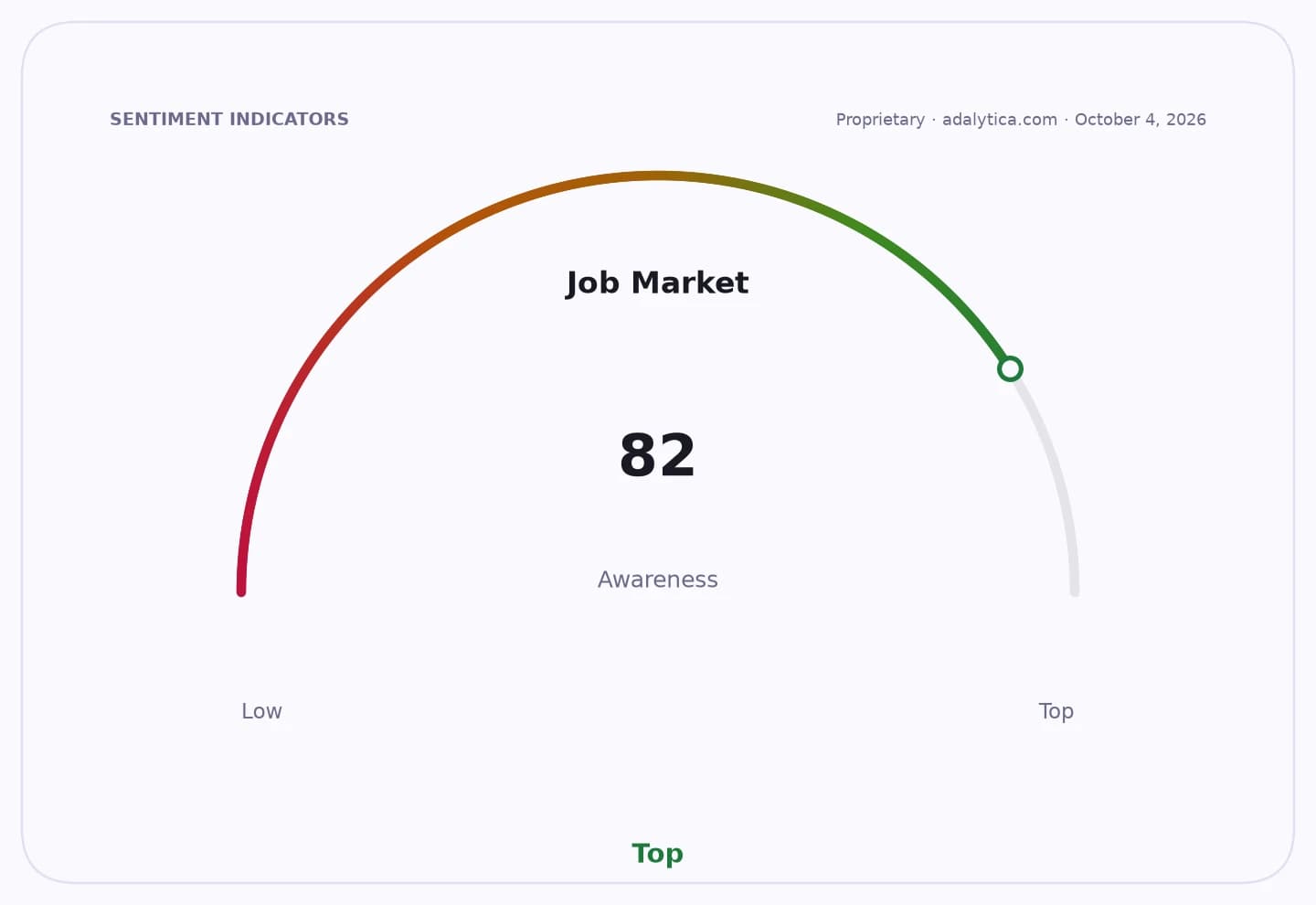
Sentiment IndicatorsⓘProprietary · adalytica.com · October 4, 2026
This is a snapshot — live sentiment, awareness and momentum for 130+ markets update continuously in the dashboard.Open AlphaPulse
The economic case is straightforward: fewer low-value medical appointments could free up primary care capacity for more serious cases, while companies would absorb a slice of short-term wage costs. Lithuanian doctors say they would welcome the shift because it could trim paperwork and keep clinics available for patients who need treatment more urgently.
But employers are likely to push back on the same grounds that derailed an earlier attempt. Business groups worry workers could use the rule to stretch weekends or holidays, especially in service sectors where last-minute absences are costly and staffing is tight.
The proposal lands as seasonal illness picks up and sick-leave use rises. Lithuania’s social insurer said 210,000 sick notes were issued in September and expects more in October, underscoring how quickly short-term absences can translate into a broader labor-cost issue for employers.
For investors, the story matters less as a direct market mover than as a signal on labor flexibility, payroll costs and the pace of public-sector reform in a tighter labor market. Any pilot would also be watched by consumer-facing employers, where staffing reliability, overtime spending and service quality can all move together.
The model is not unique: officials pointed to Sweden and the U.K. as examples of countries where workers can stay home for several days without immediate certification. If Lithuania follows through, the next catalyst will be whether the government limits the policy to specific groups or sectors before expanding it more broadly.
| Entity | Gains | Losses |
|---|---|---|
| Employees | ▲Easier short-term sick leave | ▼Less certainty on misuse scrutiny |
| Employers | ▲Potentially fewer doctor-note disputes | ▼Higher absenteeism and wage costs |
| Doctors | ▲Fewer low-acuity appointments | ▼Less control over leave verification |
| Government | ▲Faster primary-care reform narrative | ▼Political pushback from business groups |