Russia is framing the Ramsar Convention as another front in the wider campaign to isolate it, turning a wetlands treaty into a geopolitical flashpoint just as global markets are again pricing in more stability than the world can safely deliver.
Russia Ramsar dispute and emerging markets risk
That matters because the story is no longer just about conservation diplomacy. When Russia says “they tried to use the Ramsar Convention to put pressure on Russia,” it is signaling that environmental, legal and multilateral forums are increasingly being pulled into sanctions-era confrontation. The practical result is a further erosion of trust in global institutions and another reminder that geopolitical friction can migrate into places investors once treated as apolitical.
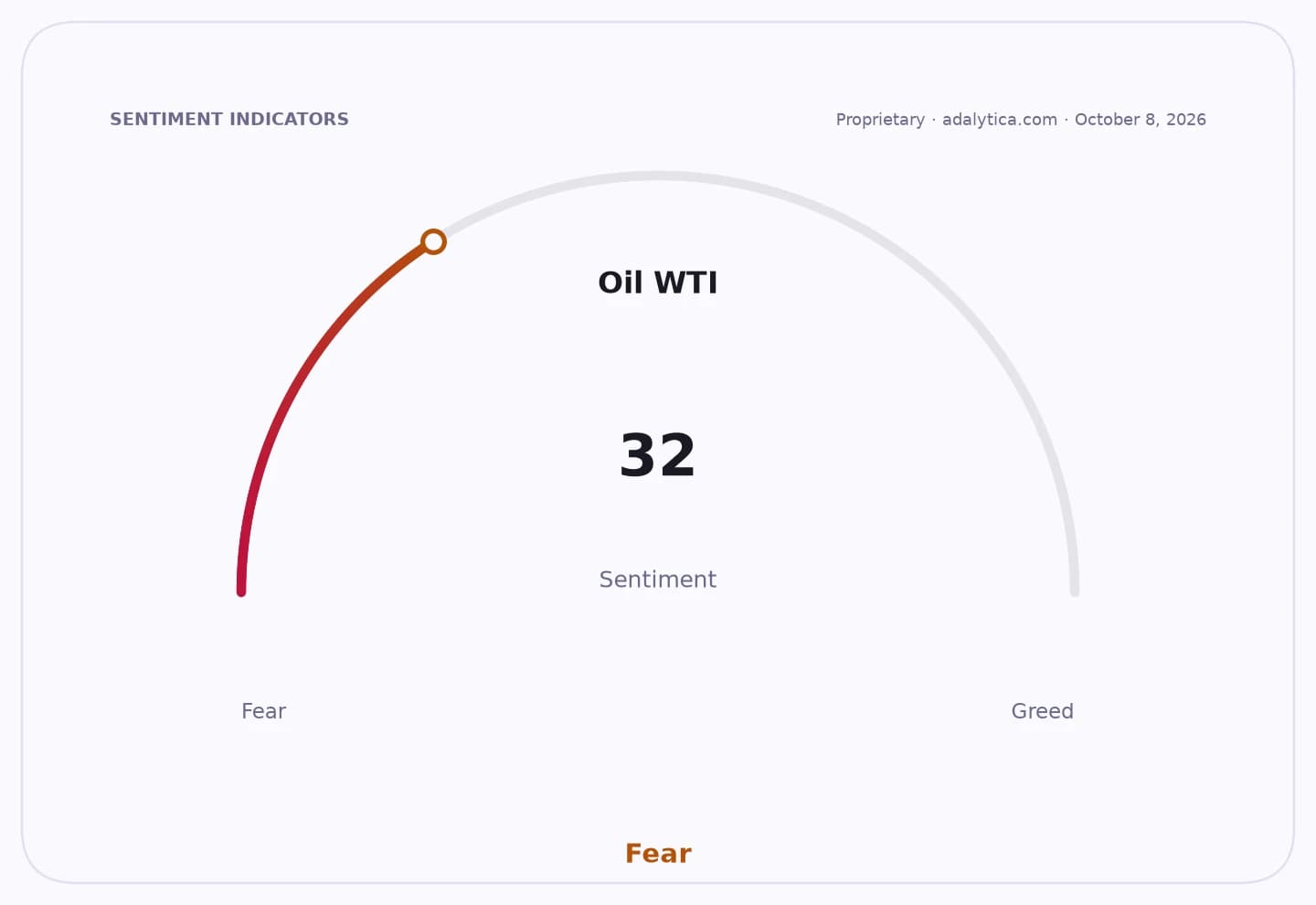
Sentiment IndicatorsⓘProprietary · adalytica.com · October 9, 2026
This is a snapshot — live sentiment, awareness and momentum for 130+ markets update continuously in the dashboard.Open AlphaPulse
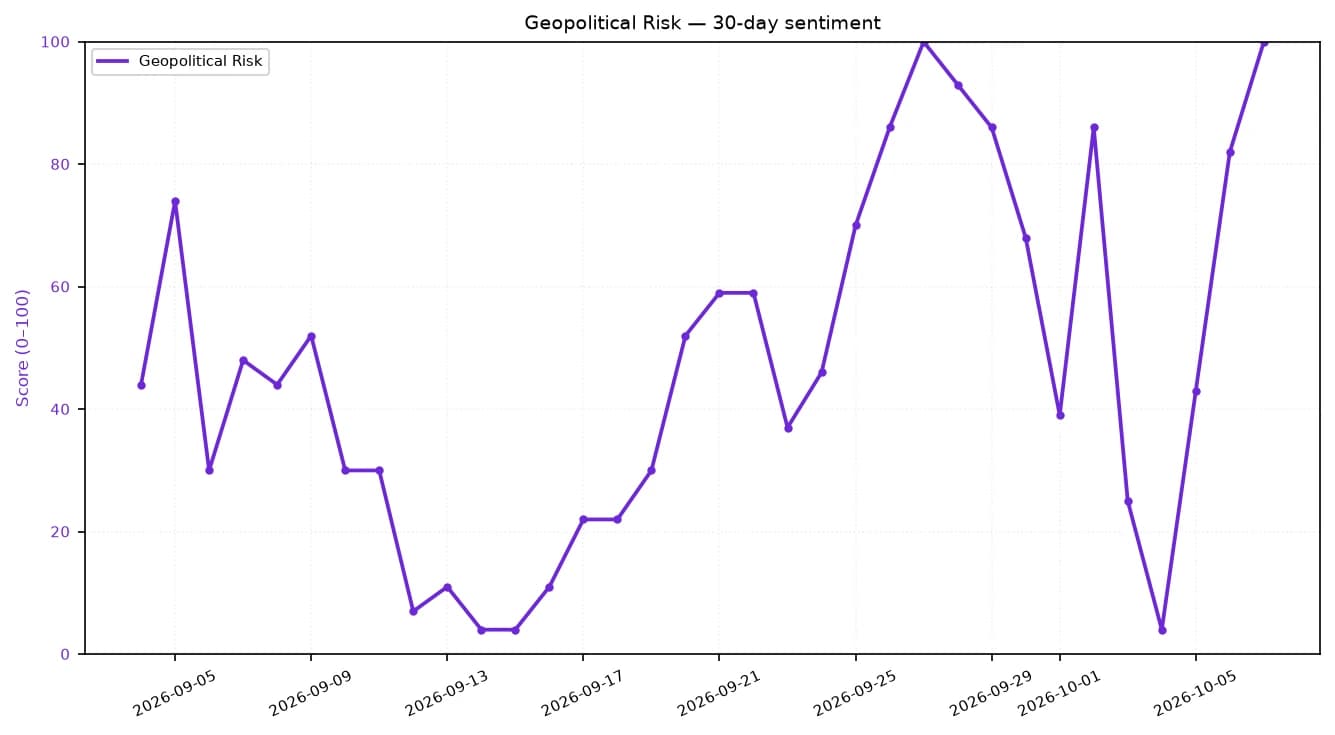
For markets, the bigger message is that geopolitical risk is not fading even if headline volatility is. Adalytica’s Global Stability Sentiment gauge shows “Extreme Greed” at 100, while awareness remains in “Extreme Fear” territory at 7, a combination that suggests complacency is building faster than caution. That kind of setup typically rewards assets tied to defense, critical infrastructure and supply chains that can operate through fragmentation, while leaving globally exposed names vulnerable when politics spills into trade, regulation or financing.
The timing is notable. EEM, the emerging-markets ETF, has clawed back from a March low near 55.35 to 66.77, hovering close to its 50-day moving average around 66.87 and above its 200-day average of 63.16. The recovery has been strong, but the latest RSI reading of 39.4 points to cooling momentum, and the ETF’s recent trading around the upper end of its broad range underscores a market that still looks willing to buy risk — even as the geopolitical backdrop argues for selectivity.
Russia’s complaint also reinforces a deeper investment theme: fragmentation is becoming a feature, not a bug, of the global system. The more major powers treat treaties, standards and institutions as leverage points, the more capital migrates toward jurisdictions, sectors and companies with pricing power, strategic relevance and non-discretionary demand. That favors energy security, defense, logistics, commodities, industrial automation and domestic infrastructure over pure cross-border beta.
Our thesis is simple: the market underestimates how much value is created when geopolitics forces countries to secure supply, harden borders and duplicate systems. Investors should be thinking less about whether diplomatic frictions resolve quickly and more about where the next wave of capex flows when they do not. In that world, the winners are the toll roads of a fractured global order.
| Entity | Gains | Losses |
|---|---|---|
| Defense and security stocks | ▲Higher strategic spending | ▼Peace premium |
| Energy and infrastructure names | ▲Reshoring and resilience capex | ▼Cross-border efficiency |
| Emerging-market ETF holders | ▲Risk-on rebound | ▼Geopolitical volatility |
| Russia and aligned blocs | ▲Narrative of resistance | ▼Diplomatic credibility |