Russia expects leaders of the Sahel alliance countries to attend a summit in Moscow, signaling a push to lock in security and political partnerships across a region where Moscow has steadily expanded its influence.
Russia to host Sahel leaders in Moscow summit
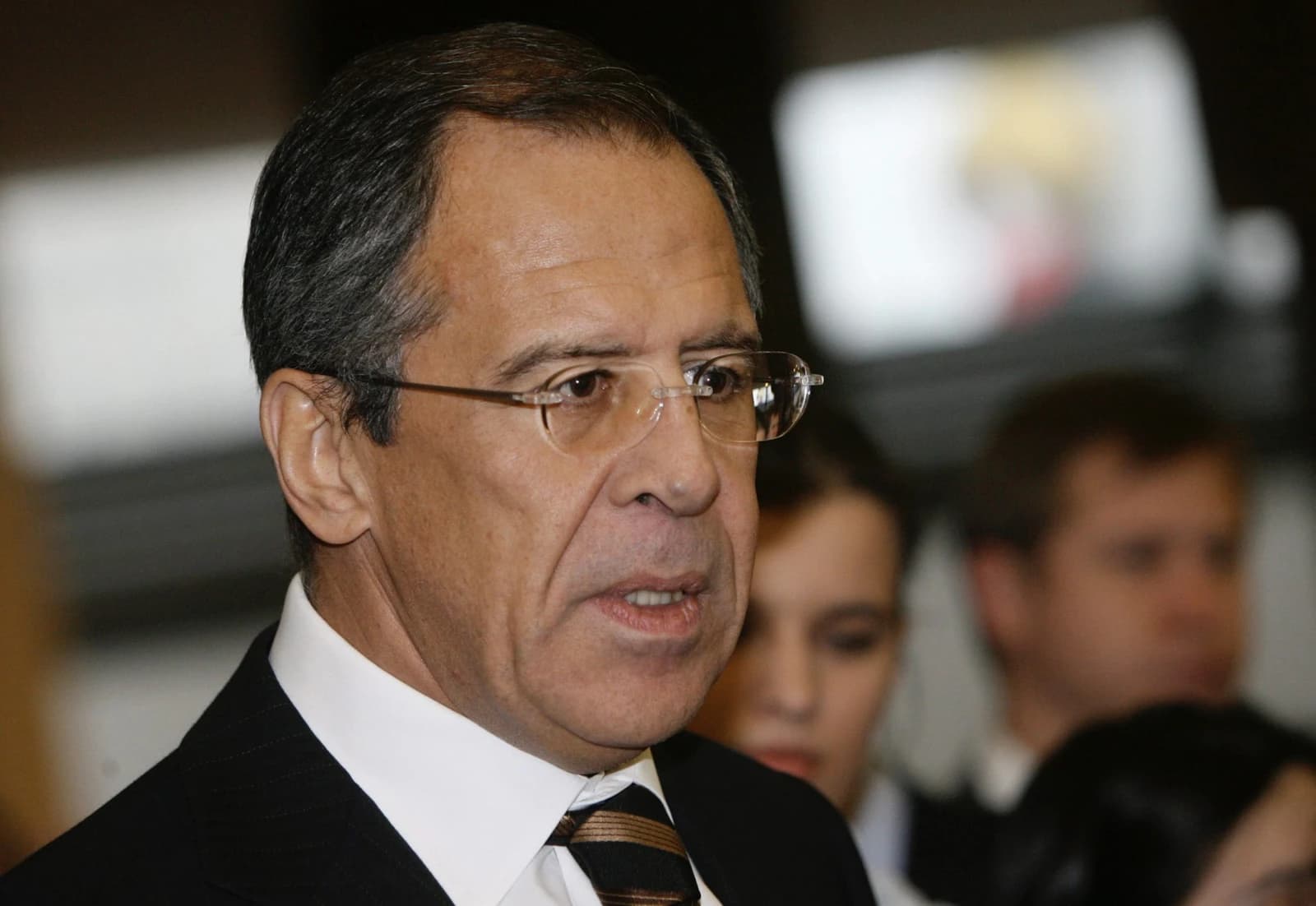
The announcement from Foreign Minister Sergei Lavrov underscores how the Kremlin is using summit diplomacy to strengthen ties with a bloc that includes Mali, Niger and Burkina Faso, countries that have moved away from Western security arrangements and toward new external partners. For Russia, the Sahel offers a route to preserve relevance in Africa even as it faces isolation over Ukraine.
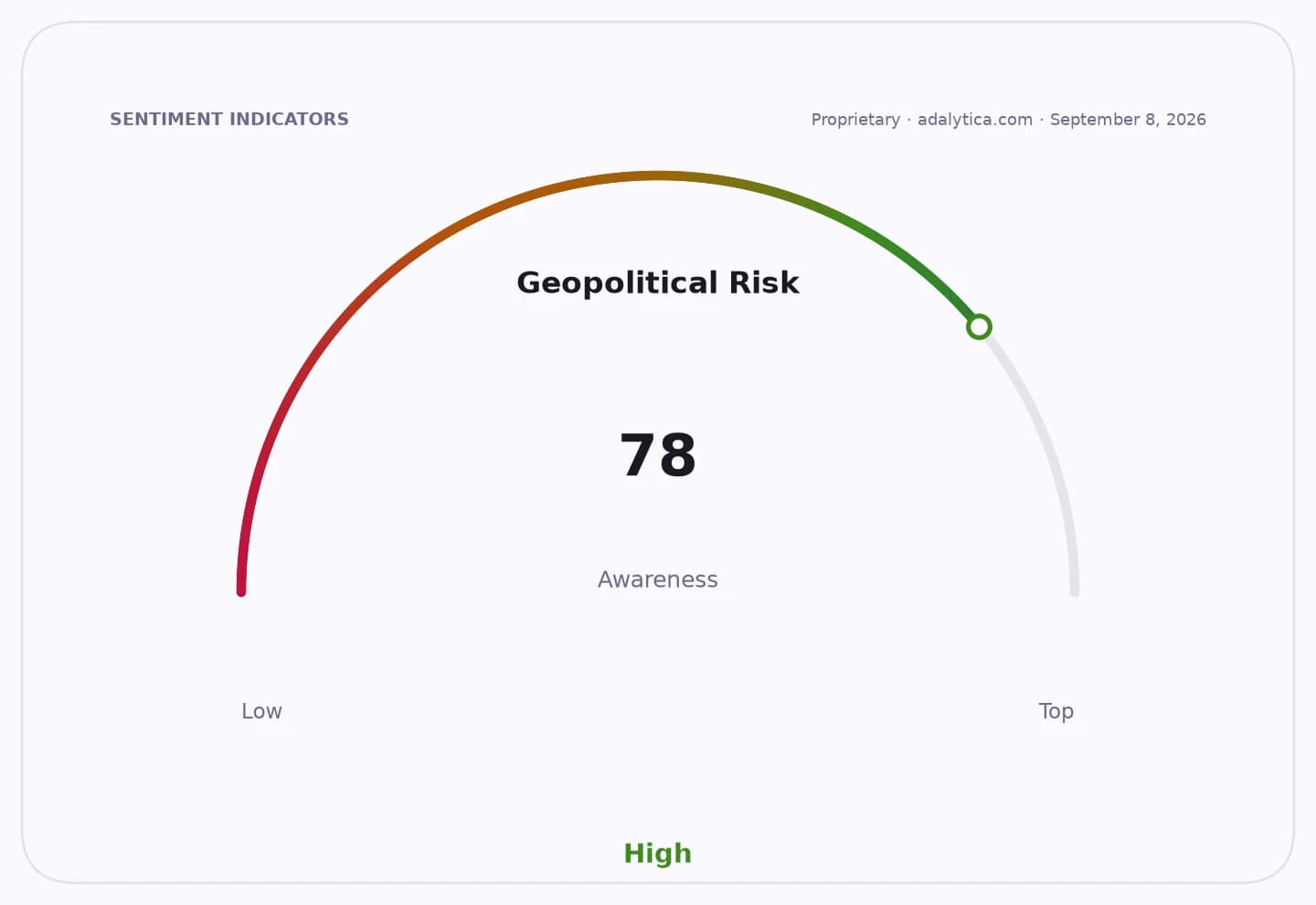
Sentiment IndicatorsⓘProprietary · adalytica.com · September 30, 2026
This is a snapshot — live sentiment, awareness and momentum for 130+ markets update continuously in the dashboard.Open AlphaPulse
The timing matters because the Sahel has become one of the clearest fronts in the contest for influence between Russia and Western governments. Military cooperation, private security links and resource access have all been part of Moscow’s broader Africa strategy, while juntas in the region have sought faster security support and more room to maneuver diplomatically.
Investor attention is limited, but the geopolitical backdrop still matters for markets tied to commodities, defense and frontier risk. Russia’s expanding footprint in Africa can complicate regional stability, affect energy and mining corridors, and reinforce a higher-risk environment that keeps demand elevated for military and security-linked assets.
Broader risk gauges reflect that uneasy balance. Adalytica’s Global Stability Sentiment sits at 86, labeled “Extreme Greed,” while awareness is only 4, labeled “Extreme Fear,” suggesting the market is pricing in confidence even as geopolitical attention remains fragile.
China-focused risk assets were little changed in the latest data, with the FXI ETF ending at $33.86 and EEM at $67.40, both still below recent highs and near their 50-day moving averages. That suggests investors are watching geopolitics but are not yet positioning for a broad emerging-market shock from the Moscow gathering.
| Entity | Gains | Losses |
|---|---|---|
| Russia | ▲Wider African influence | ▼Western diplomatic leverage |
| Sahel alliance leaders | ▲Security backing and leverage | ▼Dependence on new patrons |
| Western governments | ▲None | ▼Regional influence and access |
| Defense and security-linked assets | ▲Higher demand narrative | ▼Lower tension scenarios |