China’s imported iron ore margins have bounced back into positive territory, but the bigger message for markets is that the raw-material rally still lacks the demand force needed to break prices out of a tight range.
China iron ore margins turn positive as demand stays weak
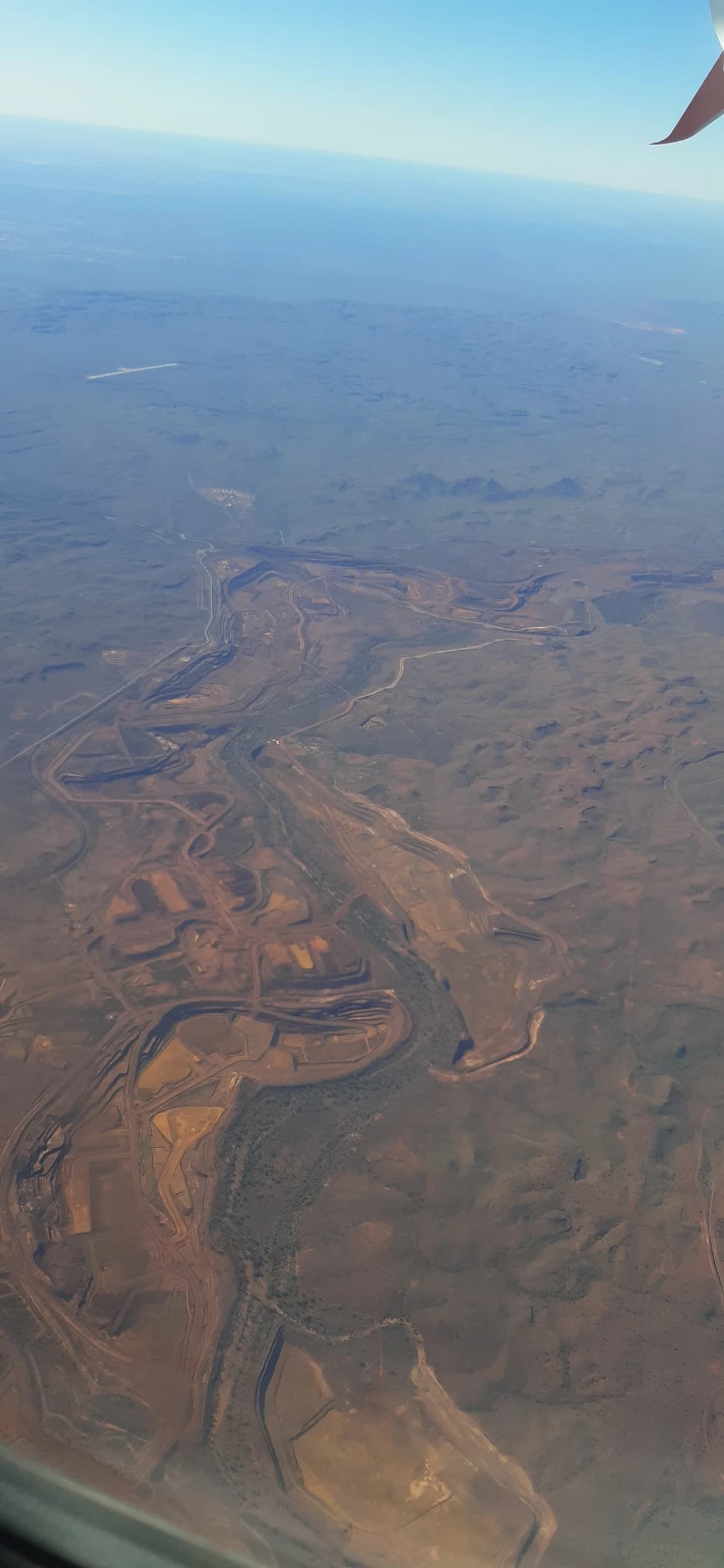
The average imported iron ore margin improved to 9.01 yuan a metric ton from a loss of 13.08 yuan, helped by firmer port spot prices and lower premiums on some seaborne cargoes. That is a meaningful stabilization for mills and traders, but it is not a demand-led boom. Average daily outbound volumes at 35 ports fell by 80,000 tons week on week to 3 million tons, while lower hot metal output continues to restrain restocking.
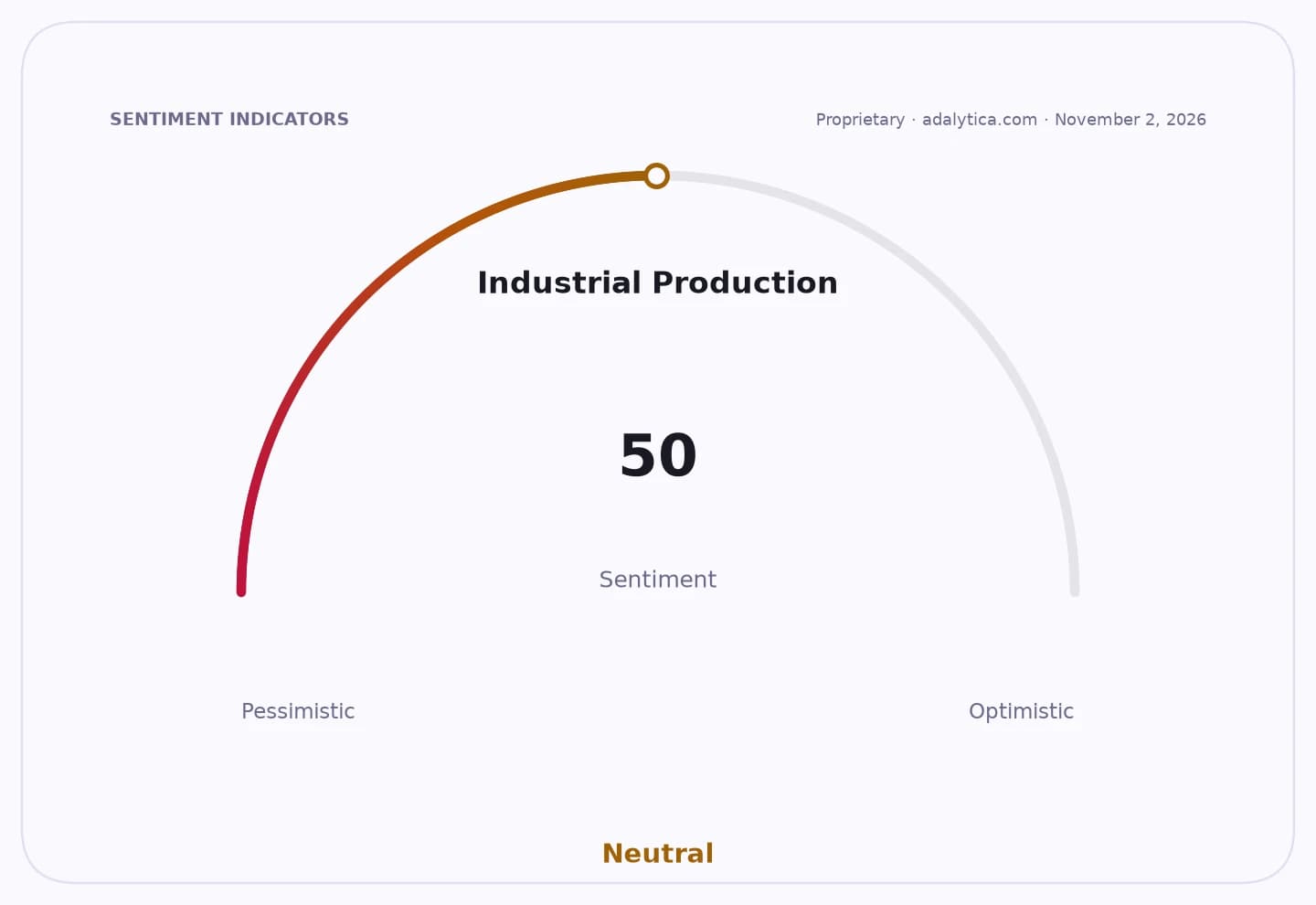
Sentiment Indicators
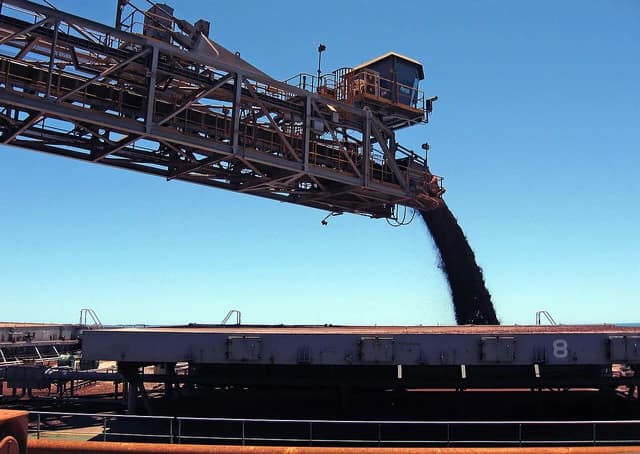
That matters because iron ore is still one of the clearest gauges of China’s industrial pulse and steel profitability. If mills are not running harder, ore demand cannot sustain a durable price breakout. Expectations of a fourth round of coke price cuts may ease some cost pressure on steelmakers, but the support to ore consumption looks limited. Port inventories are building and weaker outflows are capping the upside, leaving futures to fade after an early rally.
For investors, the setup argues for selectivity rather than chasing a broad commodity rebound. The market is underestimating how quickly iron ore can stall when downstream steel demand remains soft, even if margins recover briefly from distressed levels. That is a headwind for producers most exposed to near-term spot pricing, including large miners such as BHP, Rio Tinto and Vale, whose shares tend to track China restocking expectations as much as supply discipline.
The more durable trade is not in betting on a dramatic iron ore surge, but in positioning for a range-bound market where supply costs and policy support matter more than outright demand acceleration. Winter restocking could still lend some support in the weeks ahead, but unless arrivals tighten and hot metal output improves, iron ore looks set to remain trapped in a narrow band. In other words, this is a stabilization story, not a trend reversal — and that distinction is where the next opportunity lies.
| Entity | Gains | Losses |
|---|---|---|
| Chinese steel mills | ▲Lower input pressure | ▼Weak ore leverage |
| Iron ore miners | ▲Stable near-term pricing | ▼Breakout upside |
| BHP | ▲Cushion from firm spot prices | ▼China demand slowdown |
| Rio Tinto / Vale | ▲Range support for sales | ▼Margin-multiple expansion |