Chile’s copper industry is lowering production targets just as inflation is proving sticky, a combination that matters because the world’s biggest copper producer is already deepening a market that had been tightening on supply disruptions and stronger downstream restocking.
Codelco cuts 2026 copper output target
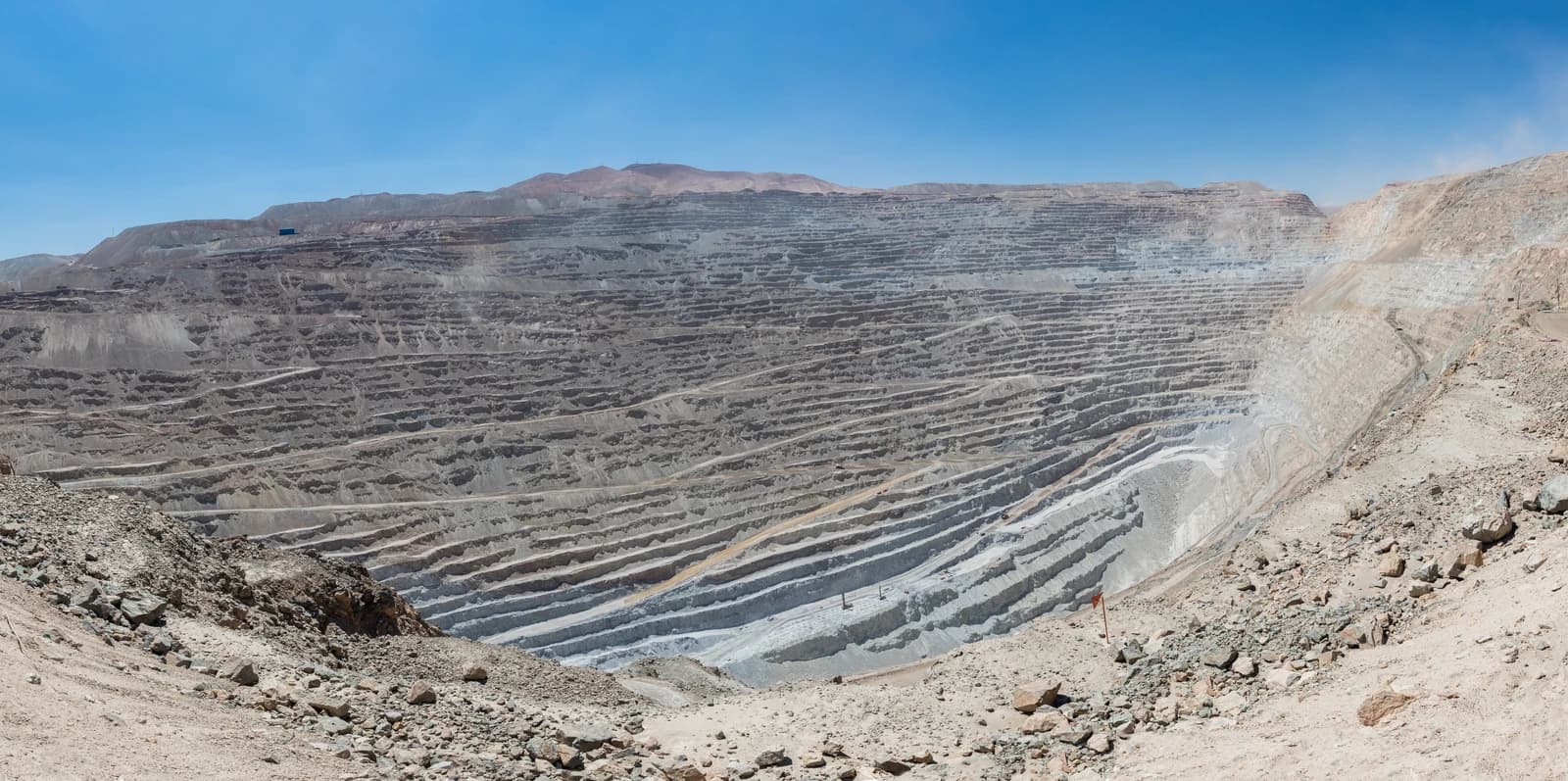
State-owned Codelco said its 2026 output will be slightly above 1.2 million metric tons, below the roughly 1.34 million ton goal set at the start of the year, and warned average annual production over the next four years will be around 1.3 million tons, well short of the 1.7 million tons it had once targeted by 2030. The company also said preliminary findings show it overstated production by 42,100 tons across 2024 and 2025, including duplicate entries and premature counting of material that did not meet finished-product standards.
Sentiment Indicators

The revision is more than a bookkeeping issue. Codelco’s production shortfall underscores how operational setbacks at a critical supplier can ripple through global copper balances, where inventories are already lean and spot premiums have been elevated. Chile’s output matters far beyond its borders because the country typically anchors the global concentrate market; any sustained underperformance tightens feedstock availability for smelters, raises the risk of higher treatment costs and reinforces bullish pricing for the metal used in power grids, electric vehicles and data-center buildouts.
The inflation angle also feeds into the same narrative. Higher costs make it harder for miners to restore volumes quickly, especially when aging assets, labor constraints and mine development delays are already limiting productivity. That raises the probability that Chilean producers will protect margins by keeping discipline on capital spending or by prioritizing higher-grade material, even if that leaves global supply growth subdued.
2% Target Confidence
Investors have already been signaling that copper’s supply picture is turning more supportive. Copper-focused exchange-traded funds and miners such as Freeport-McMoRan, Southern Copper and the broader copper basket have been volatile, but the underlying thesis remains that tighter supply, low inventories and resilient demand can keep prices supported. For producers, that is a mixed blessing: weaker volumes at Codelco and other Chilean mines can lift the price floor, but they also heighten scrutiny around execution, costs and reserve quality.
For the market, the immediate question is whether Chile’s lower output target becomes a one-off adjustment or the start of a longer period of chronic underdelivery. If it is the latter, copper’s rally could have further to run, but consumers from smelters to manufacturers will face a more expensive and less predictable supply chain.
| Entity | Gains | Losses |
|---|---|---|
| Copper miners outside Chile | ▲Higher realized prices | ▼Less pricing power if supply normalizes |
| Codelco and Chilean producers | ▲Price support for output sold | ▼Reputational hit, lower volumes |
| Smelters and fabricators | ▲None | ▼Tighter concentrate supply, higher costs |
| Copper bulls | ▲Stronger supply thesis | ▼None |