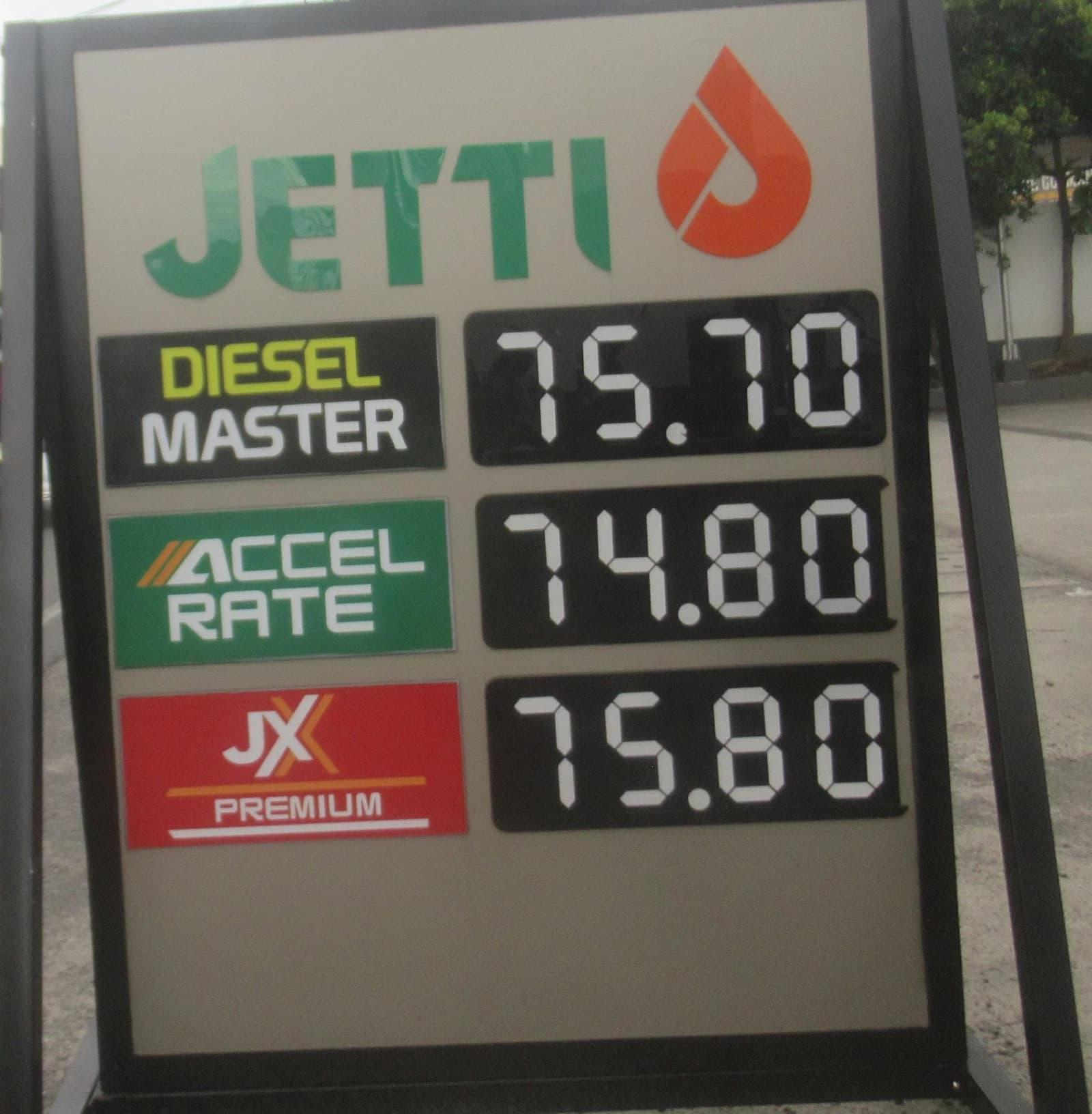
Chile’s fifth straight gasoline price increase is set to do more than squeeze households and transport operators: it is poised to make fuel one of the biggest drivers of October inflation and keep pressure on a weak economy already struggling with cost-of-living stress.
Chile gasoline prices rise for fifth straight time
The state-run ENAP said fuel prices will rise again on Thursday, with 93- and 97-octane gasoline climbing an average 41.3 pesos per liter, a little above the 39.4 pesos seen in the prior adjustment. Diesel will rise 91.5 pesos per liter, while kerosene and vehicle LPG will also edge higher. The government says it has spent about $300 million in the past three weeks to cushion the blow, but only to the extent allowed by law.
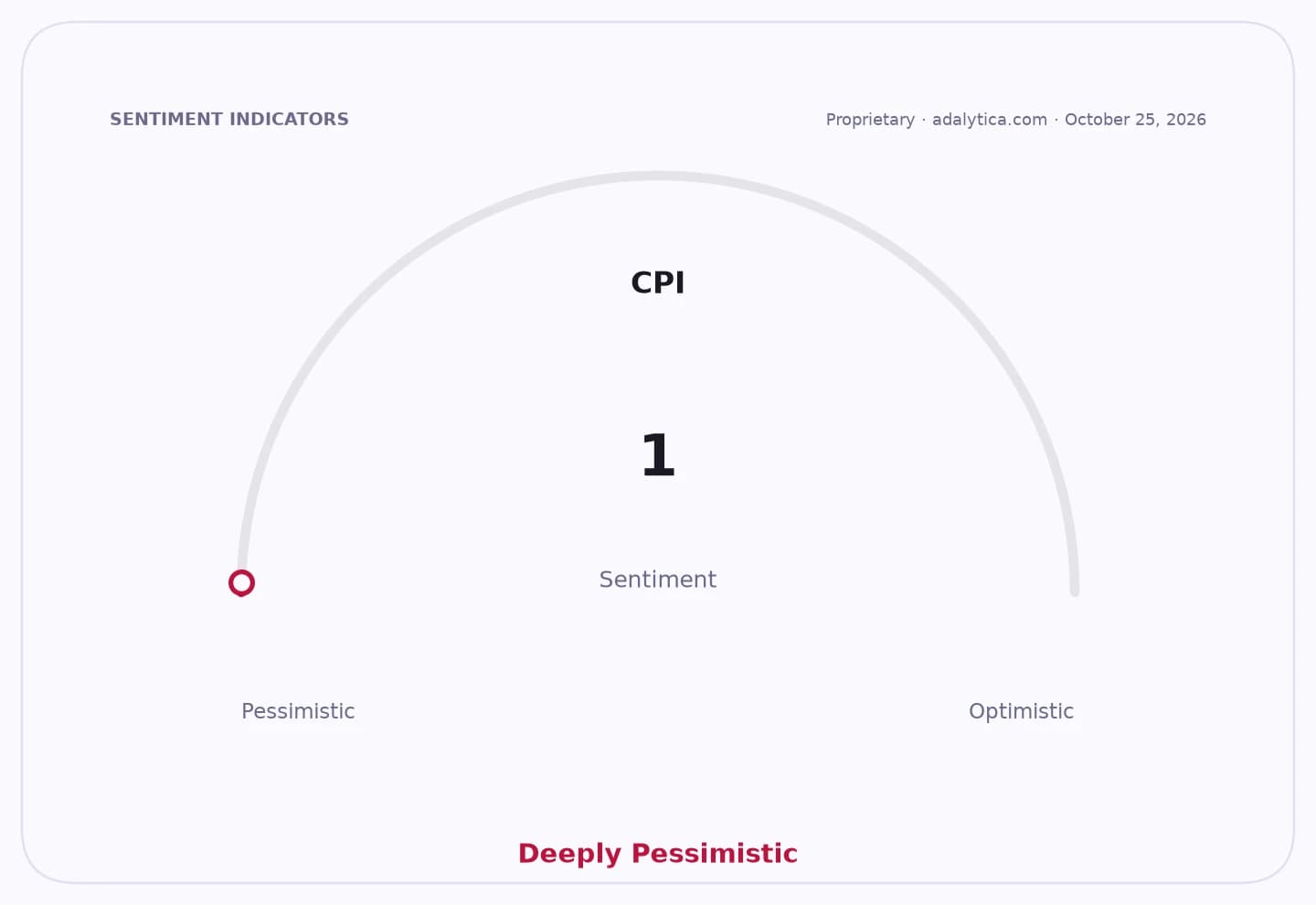
Sentiment Indicators
That matters because fuel is now feeding directly into the next consumer-price reading. Economists cited by local media say energy could account for as much as half of October’s inflation print, with gasoline alone explaining 0.2 percentage point of a forecast 0.4% monthly CPI increase. Other estimates put gasoline’s contribution at about a tenth of a percentage point, with diesel adding another 0.06 point, enough to keep annual inflation hovering around 4.4% to 4.7%.
For investors, the message is clear: Chile’s inflation story is still being driven by administered and energy prices, not by a clean underlying disinflation trend. That complicates the central bank’s room to ease policy, raises the cost burden on consumers and businesses, and supports the view that transport and distribution costs will remain sticky in the months ahead. Trucking groups are already calling the increases unsustainable, a sign the political pressure is building alongside the economic one.
CPI
The inflation impulse also reaches far beyond the pump. Higher diesel costs feed into freight, logistics and food distribution, and that can keep core prices firmer even if headline inflation moderates later. The government says it is managing the increases through tighter public finances, but that only underscores the tradeoff: every peso spent softening fuel prices reduces fiscal flexibility elsewhere.
The market takeaway is that this is not just a temporary sticker shock. Chile is entering a phase where energy costs can repeatedly distort monthly inflation data, and that makes fuel-sensitive sectors, transport-heavy businesses and rate-sensitive assets the ones to watch. If gasoline keeps rising into year-end, inflation expectations could stay elevated and keep a lid on the policy relief bulls have been hoping for.
| Entity | Gains | Losses |
|---|---|---|
| Fuel producers | ▲Higher pump prices | ▼Consumer backlash |
| Chilean Treasury | ▲Political breathing room | ▼Fiscal flexibility |
| Truckers and logistics firms | ▲None | ▼Higher operating costs |
| Consumers | ▲None | ▼Lower purchasing power |