China’s iron ore stocks at major ports fell for a second straight month in a sign that steel mills are drawing down cargoes even as the broader market remains fragile.
China iron ore port stocks fall for second month
The latest SMM data showed inventories across 35 major Chinese ports at 143.91 million tonnes as of Sept. 4, down 1.7 million tonnes from a month earlier. Daily average port pick-up volume also inched up to 3.145 million tonnes, suggesting end-users are taking more ore out of ports even though demand has not fully recovered.
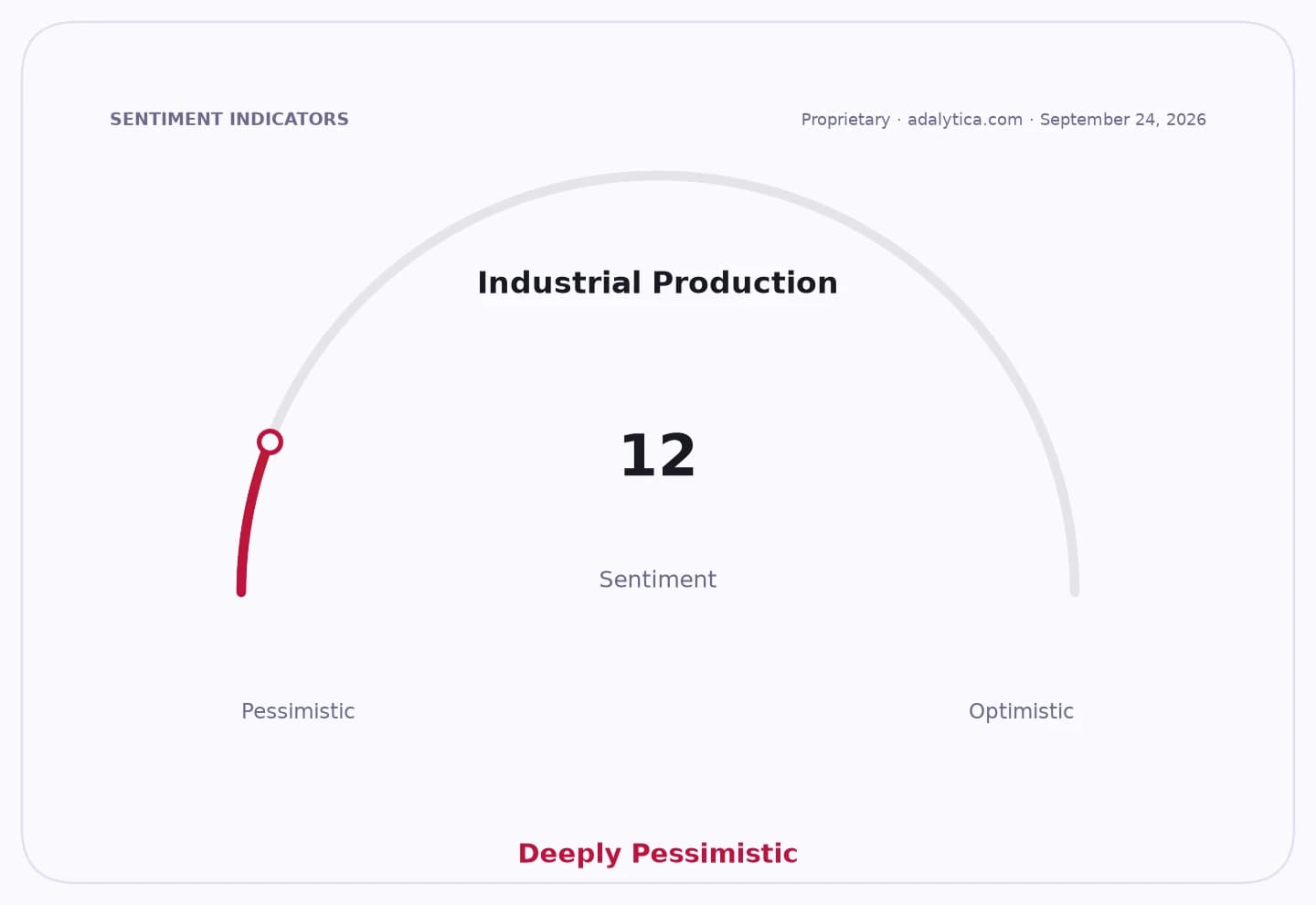
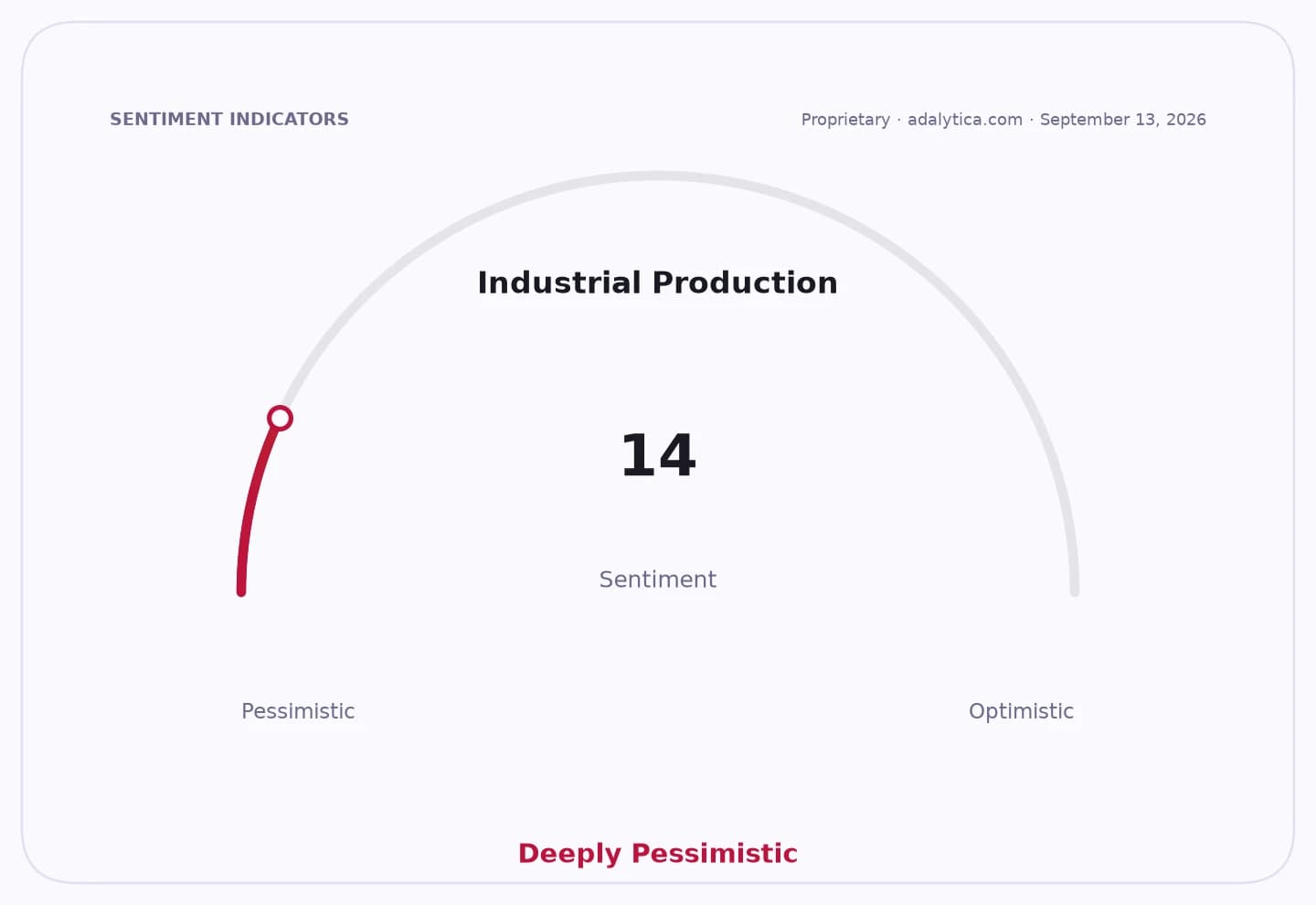
Sentiment IndicatorsⓘProprietary · adalytica.com · September 4, 2026
This is a snapshot — live sentiment, awareness and momentum for 130+ markets update continuously in the dashboard.Open AlphaPulse
That matters because port inventory is one of the clearest near-term gauges of iron ore balance in the world’s biggest steel market. When stocks slip while pick-up volumes rise, it usually points to tighter spot availability and steadier downstream consumption, at least temporarily. For miners such as Rio Tinto, BHP and Vale, that can support seaborne demand and help offset pressure from softer steel margins in China.
But the picture is not unambiguously bullish. The source data also points to a loose supply-demand balance, with port arrivals rebounding and blast furnace hot metal output still declining. Steel mills’ appetite for iron ore concentrates has weakened, underscoring that the inventory drawdown is happening against a backdrop of subdued steel demand rather than a clean cyclical upswing.
The forward view is mixed. Arrivals are expected to ease in phases next week and some mills plan to resume production, which could lift hot metal output and port pick-ups. Yet if finished steel restocking remains limited, inventories could build again quickly. That leaves iron ore prices exposed to short-term swings tied more to mill operating rates and logistics flows than to a durable improvement in end-demand.
For investors, the implication is that the inventory data supports a near-term floor for ore prices and related mining equities, but not a strong case for a sustained rerating unless Chinese steel demand stabilizes. The market will be watching whether the expected pickup in mill activity translates into firmer consumption, or whether port stocks resume climbing as seasonal demand fails to materialize.
| Entity | Gains | Losses |
|---|---|---|
| Iron ore miners | ▲steadier Chinese demand | ▼weaker pricing leverage |
| Chinese steel mills | ▲near-term raw material availability | ▼margin pressure from soft steel demand |
| Port stockholders/importers | ▲lower inventory overhang | ▼restocking risk if arrivals rebound |
| Long iron ore positions | ▲tighter port balances | ▼renewed build in port inventories |