A 30-year-old Chinese landlord who bought 14 old apartments for just over 2 million yuan and retired on rental income is now walking away from property as falling prices and rising costs make the strategy less attractive.
China landlord leaves apartments for dividend funds
The story of Fan Junjie has gone viral in China because it captures a wider shift among younger investors: after years of chasing housing as a path to wealth, many are looking at dividend stocks and funds as a more liquid route to financial independence. Fan’s move matters because it reflects both the strain on China’s housing market and a changing risk appetite among retail savers who want cash flow without the operational burden of being a landlord.
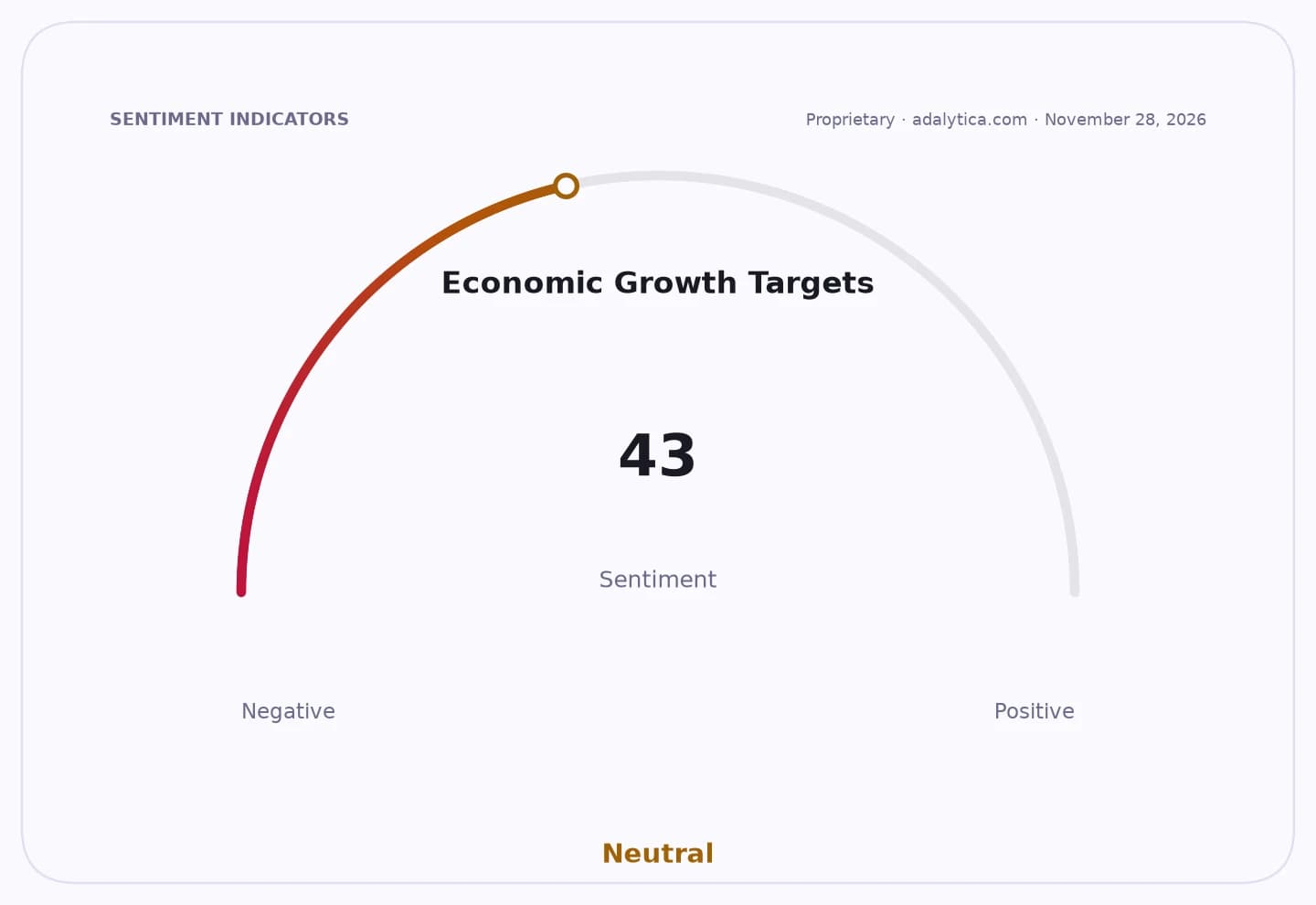
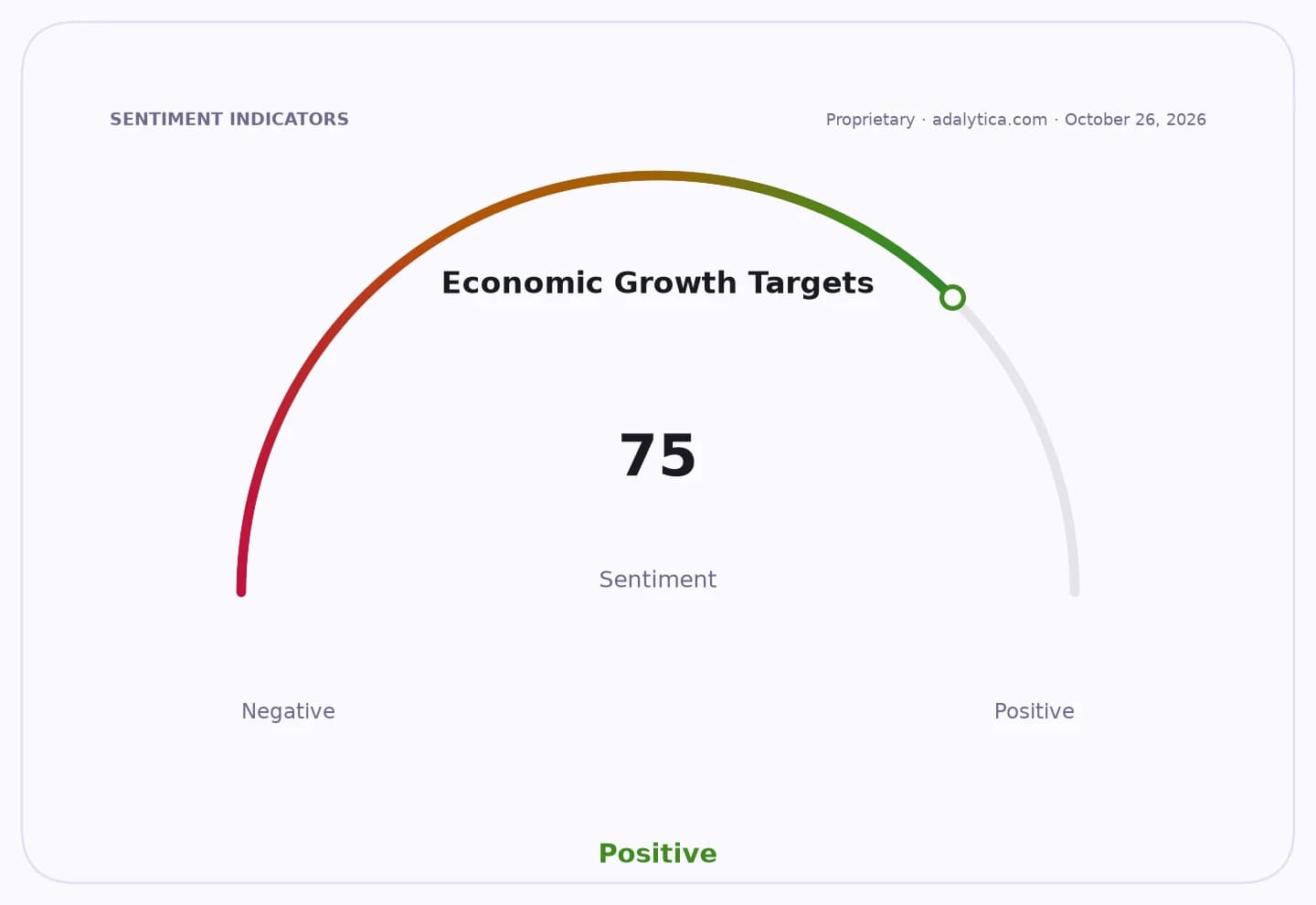
Sentiment Indicators
Fan, originally from Jilin, spent about 2 million yuan, or roughly $300,000, over two years to buy so-called “laopoxiao” apartments — old, cramped units with outdated facilities — starting in 2023. He said 11 of the 14 units are now rented out, generating an estimated 210,000 yuan a year, with the cheapest unit bought for 150,000 yuan and the priciest costing nearly 310,000 yuan after taxes, broker fees and renovations.
He targeted apartments near Xiangya Hospital and standardized the renovation process to keep costs down. But he also said property taxes, agent fees, repairs and tenant demands made the business far less passive than he expected, and the decline in housing prices has put his capital at risk.
That is why he said on Oct. 26 he will stop buying property, calling the “golden time” over. He plans to move the cash into dividend funds and high-yield stocks, arguing that the key difference is liquidity: dividend funds can be sold in days, while renting out an apartment can take weeks before the first payment arrives.
The shift is resonating with younger Chinese investors squeezed by a tougher job market and weaker faith in property appreciation. Data from Ant Fortune showed people born after 1995 accounted for nearly 40% of users of dividend index funds in the first half of the year, up 44% from a year earlier.
For investors, the appeal is obvious but the risk is equally clear. Dividend income is not guaranteed, and share prices can fall even when payouts continue. Still, in a market where capital preservation and cash yield are increasingly prized, the move away from apartments and toward listed income assets is becoming part of a broader FIRE-style playbook in China.
The bigger question now is whether the dividend trade can absorb more of the savings that once flowed into housing, especially if property prices keep slipping and younger savers continue to prioritize liquidity over bricks and mortar.
| Entity | Gains | Losses |
|---|---|---|
| Dividend funds and high-yield stocks | ▲More retail inflows | ▼Pressure if payouts disappoint |
| Young Chinese investors | ▲Faster liquidity | ▼Exposure to market volatility |
| Property owners in China | ▲None | ▼Lower prices and thinner margins |
| Tenants in old apartments | ▲Continued rental supply | ▼Less landlord buying and renovation |