Guangzhou has extended and broadened its “sell old, buy new” housing policy, giving homeowners more time to trade up and signaling that local authorities want to keep the city’s property market moving by easing one of the biggest frictions in home upgrades: the gap between selling an old unit and locking in a new one.
Guangzhou extends sell old buy new housing policy
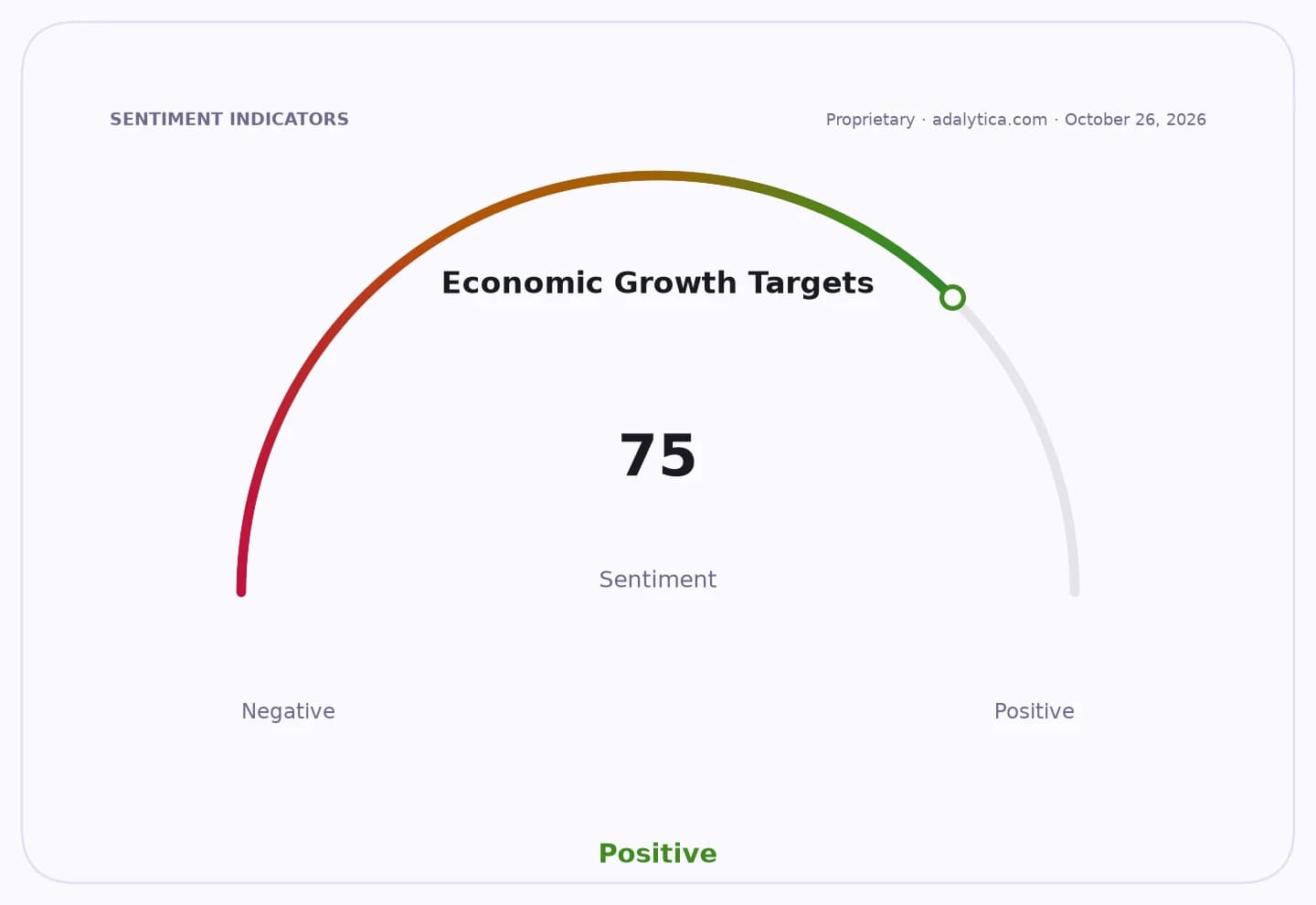
Economic Growth Targets
The city’s housing bureau and state-backed Guangzhou Anju Group said Monday the subsidy window for buying a new home after selling an old one will be pushed back by a year to Dec. 31, 2027, while the pilot program for government-backed repurchases of second-hand homes will also run a year longer and expand beyond the original ring-road area into more districts.
Sentiment Indicators
The move matters because it lowers transaction costs for families looking to upgrade, supports demand for newly built apartments and gives owners of harder-to-sell stock — including older walk-up units — a cleaner exit. Guangzhou said the policy has already helped 686 applicants clear eligibility checks, with 15.1677 million yuan in subsidies paid out, and those transactions generated 4.74 billion yuan in total sales value.
Officials said almost 90% of applicants completed their replacement within three months, suggesting the policy is doing more than subsidizing buyers: it is speeding up turnover in a market where long selling cycles often deter upgrades. For many households, the program removes appraisal fees, brokerage costs and the risk of being stuck with two homes at once.
The repurchase pilot has been especially relevant for aging housing stock. Guangzhou said the homes acquired under the program have included units as old as 40 years, with three-quarters in walk-up buildings and about half on the sixth floor or higher, the kind of inventory that tends to be illiquid in the open market.
That makes the policy a useful lever for developers and the broader property sector. By helping owners sell older homes, the city is effectively creating room for new-home purchases and helping move inventory through both the resale and primary markets. Guangzhou said the program has generated a total price leverage ratio of more than 320% on new-home spending, underscoring how a relatively small subsidy can catalyze a much larger amount of housing turnover.
For investors, the message is that local governments remain focused on stabilizing housing demand with targeted support rather than broad stimulus. That is constructive for builders, brokers and property-service firms with exposure to Guangzhou, though the lasting effect will depend on whether the extension translates into higher contract signings and faster inventory absorption in the coming months.
The next test is execution: if the expanded pilot draws more sellers and keeps shortening replacement times, it could become a template for other Chinese cities trying to support homebuying without reigniting excess leverage.
| Entity | Gains | Losses |
|---|---|---|
| Guangzhou homeowners | ▲Lower upgrade costs | ▼Less urgency to sell quickly |
| New-home developers | ▲More replacement demand | ▼Need to compete on price and product |
| Second-hand home sellers | ▲Easier exit for illiquid units | ▼Lower negotiating leverage |
| Potential speculators | ▲Limited benefit | ▼Less room for price-chasing gains |