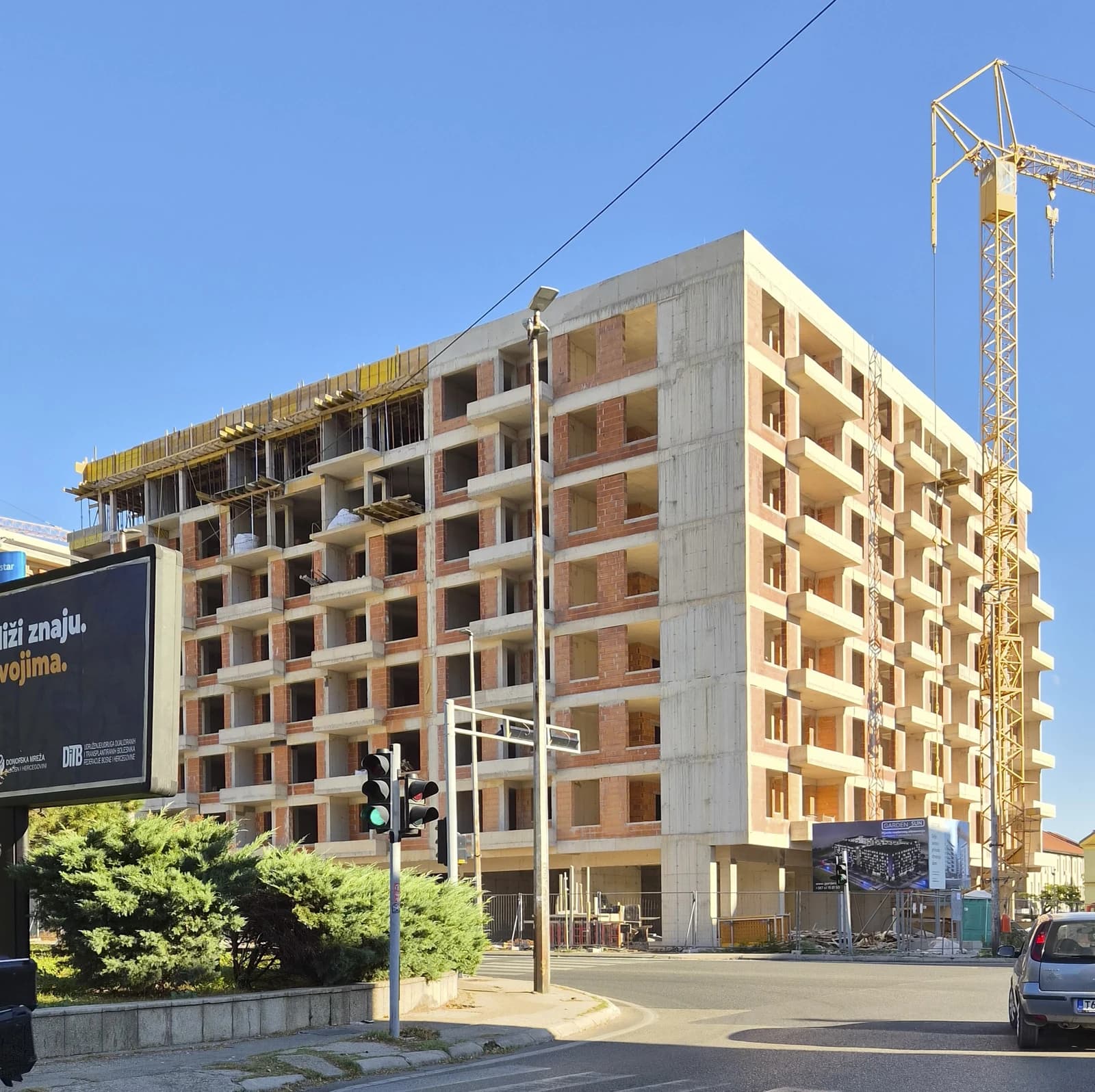
Rising rents are becoming a broader cost-of-living problem in Japan, with landlords pushing through bigger increases as construction and repair costs climb and available apartments tighten.
Japan rents rise in Tokyo, Yokohama
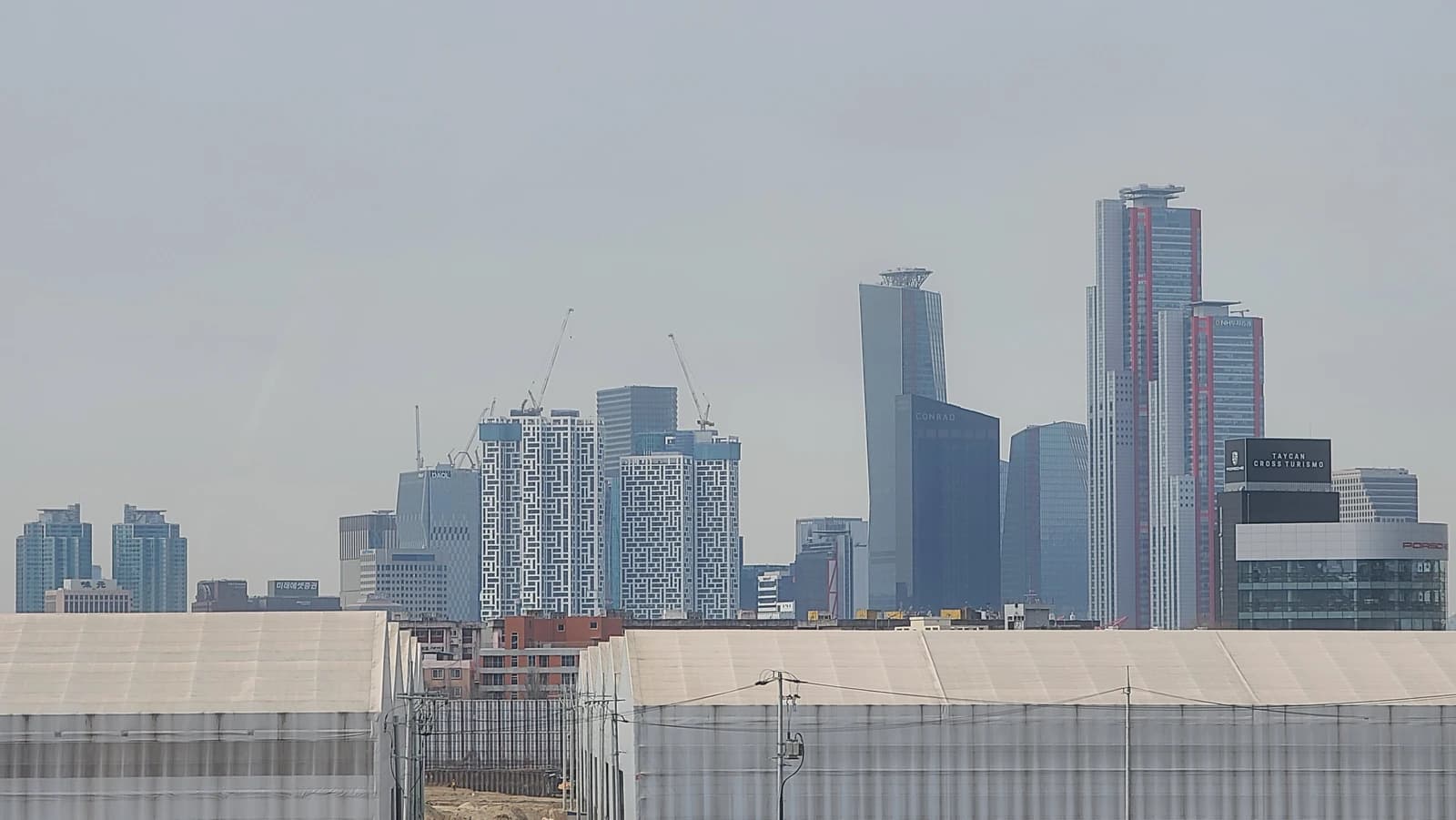
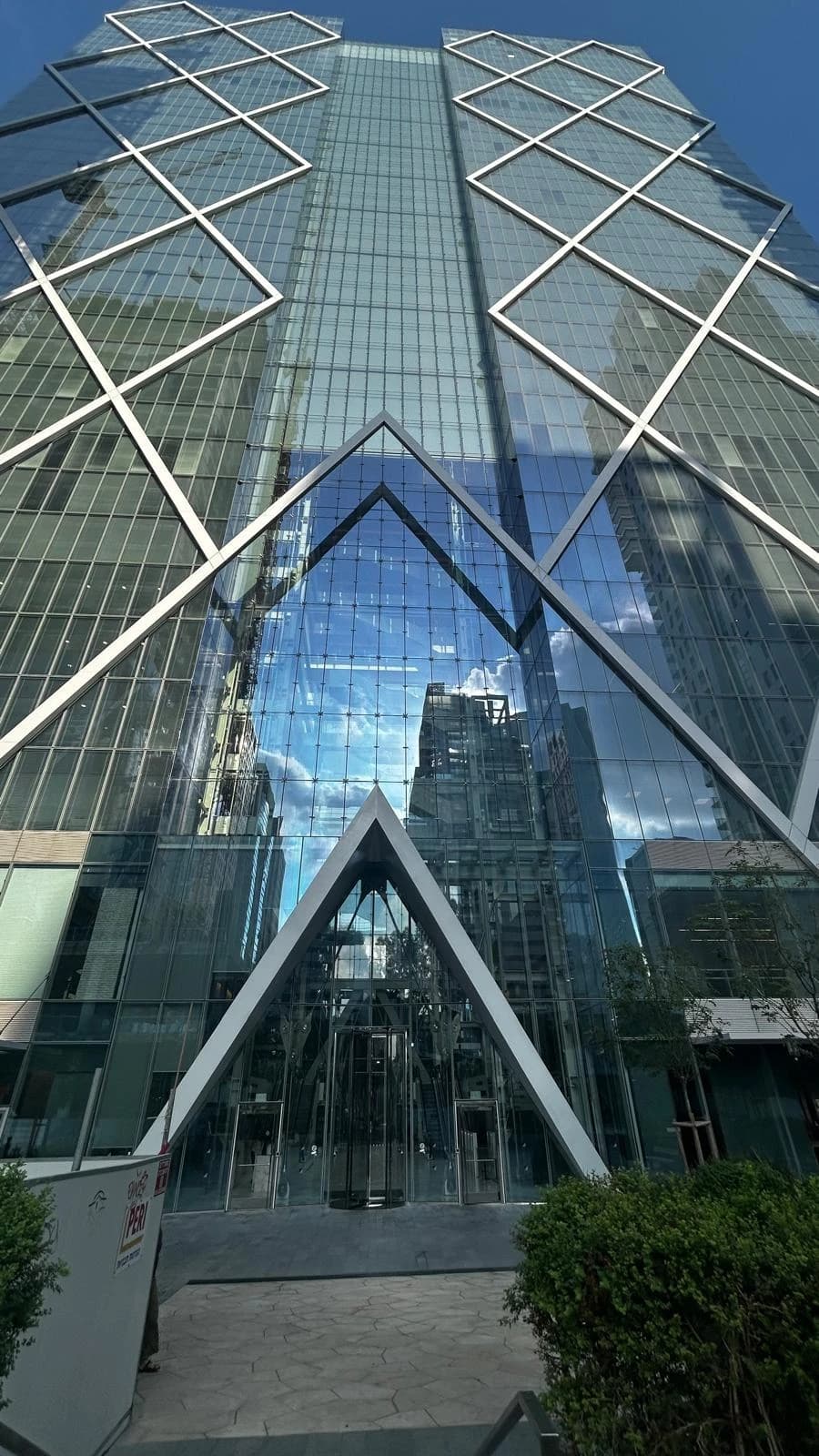
A tenant in a tower condominium near Yokohama Station was told her monthly rent would jump by about 70,000 yen to roughly 360,000 yen when her lease renews in December, underscoring how sharply housing costs are rising even in established urban markets. She decided not to renew and plans to move to a Tokyo apartment at a similar rent level instead.
Sentiment Indicators
The pressure is not limited to premium properties. Atomosphere data from real estate information service At Home showed average rents for apartments of 30 square meters or less rose year on year in all 13 surveyed regions in September, with Tokyo’s 23 wards up 9.7% to 114,460 yen, a record for the second straight month.
The backdrop is a rental market that tightened after the pandemic-era lull, when relocations for transfers and school were subdued. Since around 2023, rents have kept climbing nationwide as demand recovered and building costs surged, while fewer listings have limited tenants’ options.
That matters economically because housing is one of the largest recurring expenses for households and feeds directly into inflation expectations and consumer spending power. If higher borrowing costs push more would-be buyers to rent instead, demand could rise further and keep upward pressure on rents.
For investors, the trend is a tailwind for landlords and rental property owners, even as it squeezes tenants and raises the risk of turnover if renewal hikes become too aggressive. It also reinforces the case that Japan’s housing-cost inflation is becoming more persistent, which could affect policy debate and the pace at which households absorb higher living expenses.
The next catalyst is whether higher rates and weaker affordability continue to divert demand from homeownership into the rental market, extending the rent gains into 2027 and beyond.
| Entity | Gains | Losses |
|---|---|---|
| Landlords | ▲Higher rental income | ▼Tenant pushback |
| Rental property owners | ▲Better pricing power | ▼Higher turnover risk |
| Tenants | ▲None | ▼Higher housing costs |
| Homebuyers | ▲More rental alternatives | ▼Delayed purchases |