Seoul’s homebuying period fell to 11.7 years even as house prices kept rising, but the drop mostly reflects a statistical shift rather than a sudden improvement in affordability.
Seoul PIR Falls as Housing Prices Keep Rising
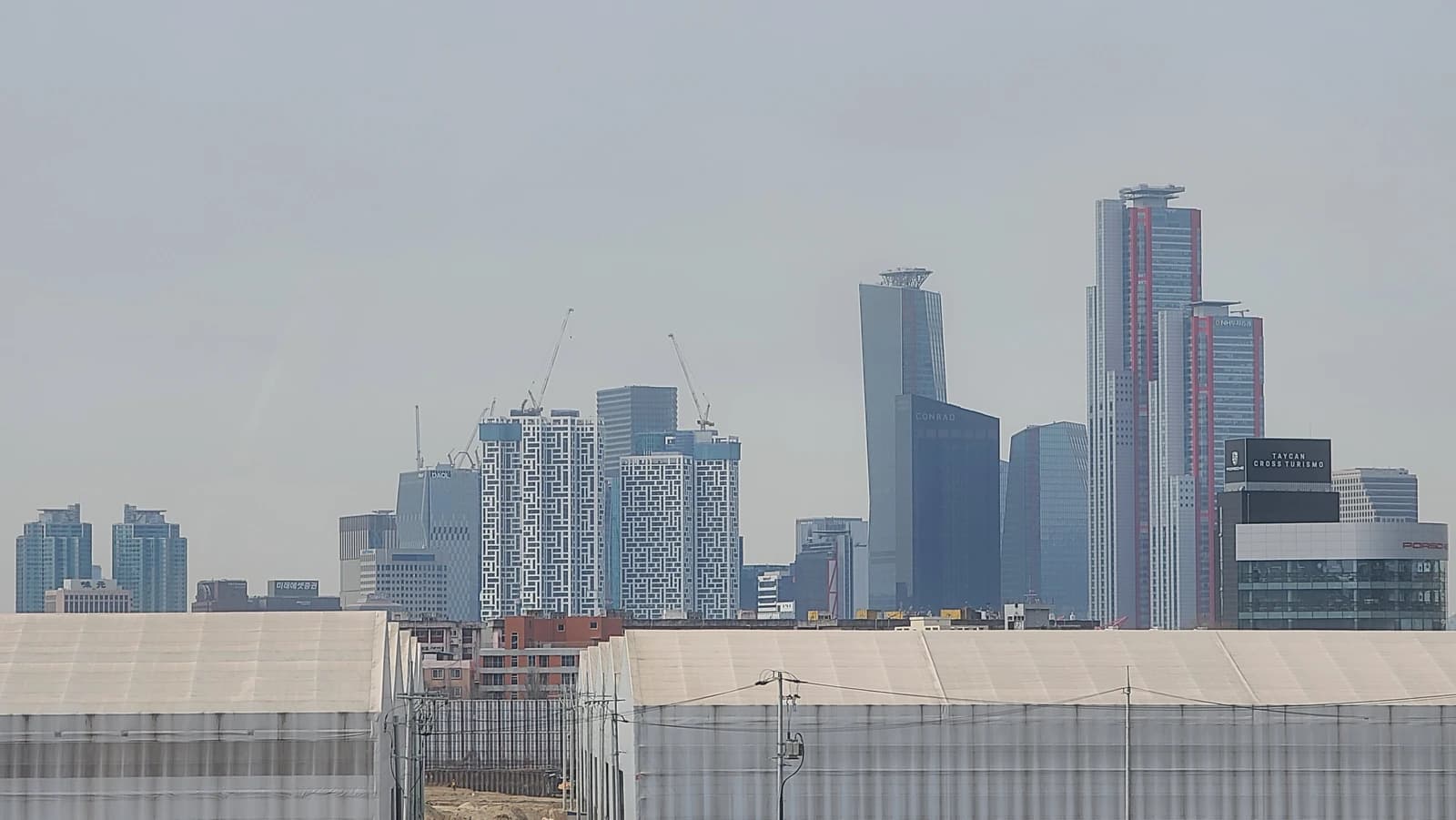
The 2025 housing survey from South Korea’s land ministry showed the capital’s price-to-income ratio, or PIR, fell from 13.9 times to 11.7 times, implying a household would need to save all after-tax income for 11.7 years to buy a median-priced home. That is the lowest reading in five years and is at odds with the recent run-up in Seoul property prices.
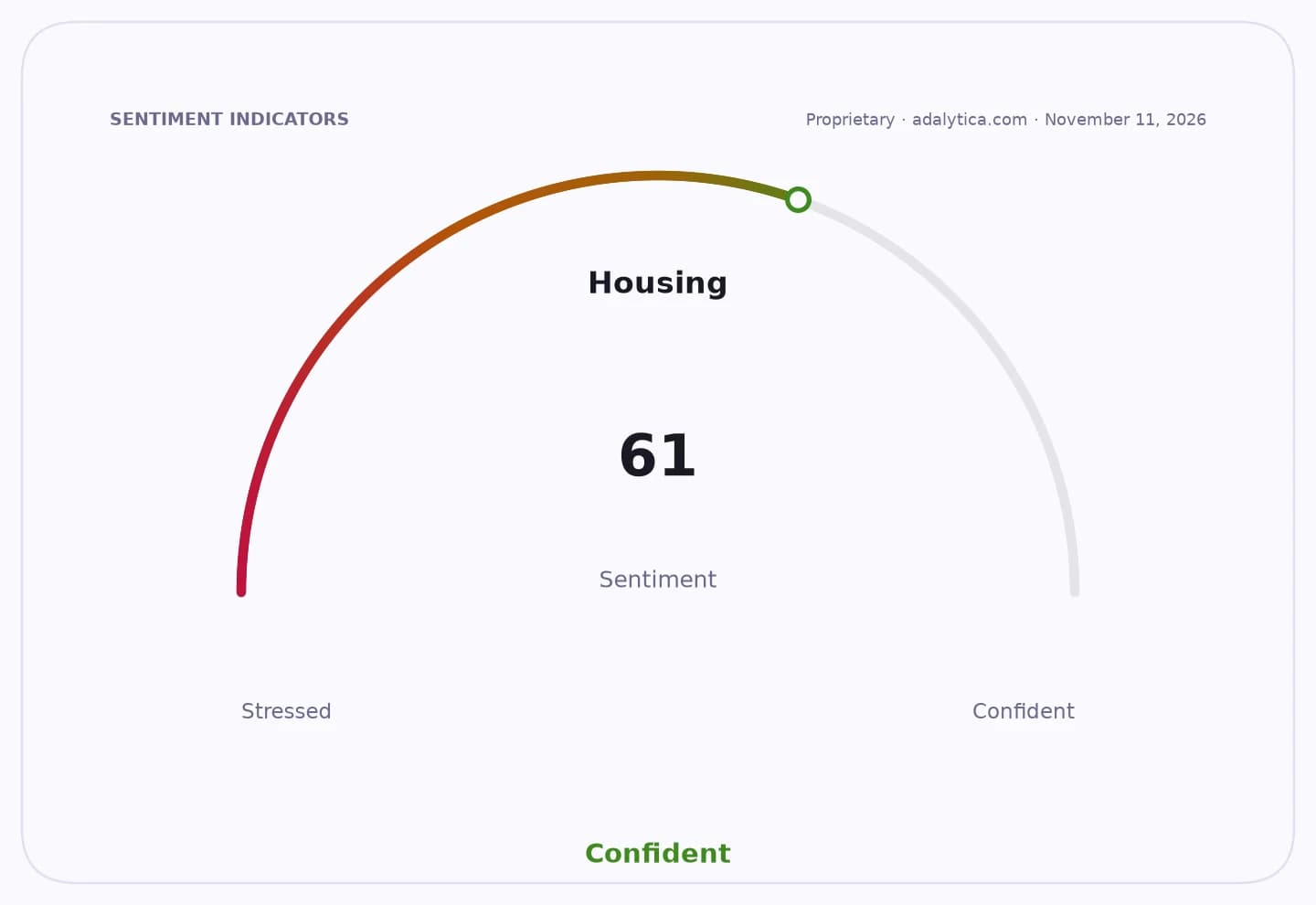
Sentiment Indicators

The key reason is timing. The survey used home prices from the third Monday of June 2025, before the strongest part of the rally later in the year, according to a researcher at the Korea Research Institute for Human Settlements. He also said cheaper row houses and multi-family homes became more prominent in the sample, pulling down the median price used in the calculation.
That matters because PIR is widely watched as a shorthand for housing affordability and a gauge of whether prices are becoming detached from incomes. A lower reading can influence public debate on housing policy, lending rules and local demand, even if it does not capture borrowing costs or actual mortgage availability.
Housing
The gap between the survey and market data underscores the distortion. Seoul’s broad apartment, house and multi-family price indexes from Korea Real Estate Board all rose by June 2025 from a year earlier, and the capital’s apartment index was back above 102 after a sharp post-2022 rebound.
The income side also does not fully explain the move. Seoul household median income rose 5.2% in 2024 to 58.82 million won, far less than the 15.8% drop in the PIR, reinforcing the view that sample composition, not a sudden jump in purchasing power, drove much of the decline.
For investors, the report is a reminder that headline affordability metrics can lag the market and may understate price pressure in Seoul’s tighter neighborhoods. It also suggests policymakers may still face pressure to cool speculative demand and address the supply of lower-cost housing, especially as buyers in the capital remain sensitive to regulation, borrowing conditions and expectations of further price gains.
The next test will be whether more up-to-date price data confirms the June survey’s weakness or whether the gap narrows as later gains in Seoul housing feed through to official affordability measures.
| Entity | Gains | Losses |
|---|---|---|
| Seoul buyers of lower-cost homes | ▲Lower reported PIR | ▼Real affordability relief remains limited |
| Seoul homeowners | ▲Higher market valuations | ▼Worse affordability optics |
| Policymakers | ▲More room to argue affordability improved | ▼Credibility if stats lag the market |
| Housing market bulls | ▲Support from rising prices | ▼Risk of tighter policy scrutiny |