The Bank of Korea is expected to restart interest-rate hikes this week after pausing in October, with all six economists surveyed by Yonhap forecasting a 25-basis-point increase to 3.25% as strong semiconductor exports and sticky core inflation keep pressure on policymakers.
Bank of Korea Seen Hitting 3.25% This Week
The expected move matters because South Korea is still running a rare mix of resilient growth, elevated price pressures and financial stability concerns, giving the central bank room to tighten even as households and property markets remain sensitive to higher borrowing costs. Economists said the economy is expanding well above potential, while core inflation remains above the Bank of Korea’s 2% target.
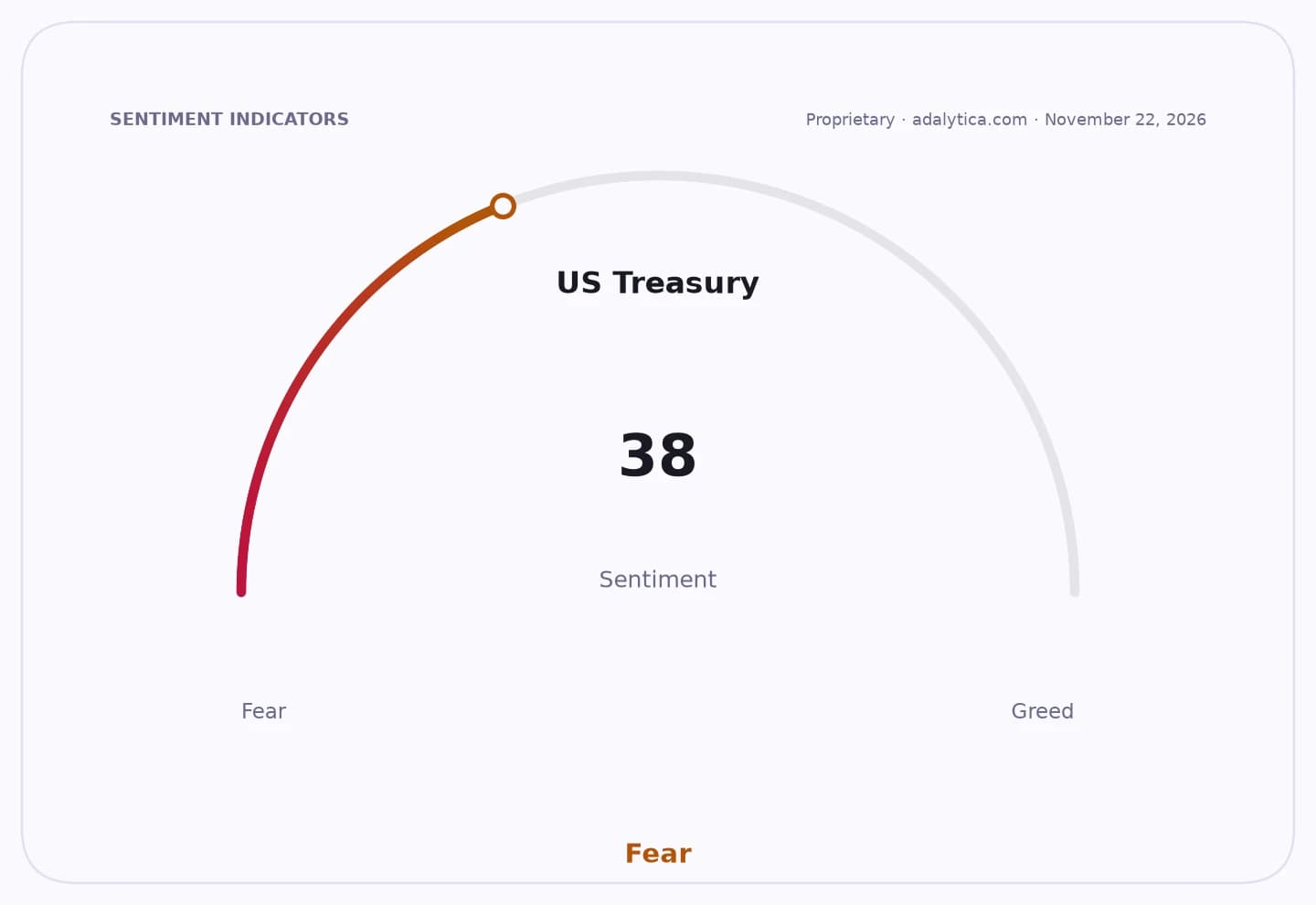
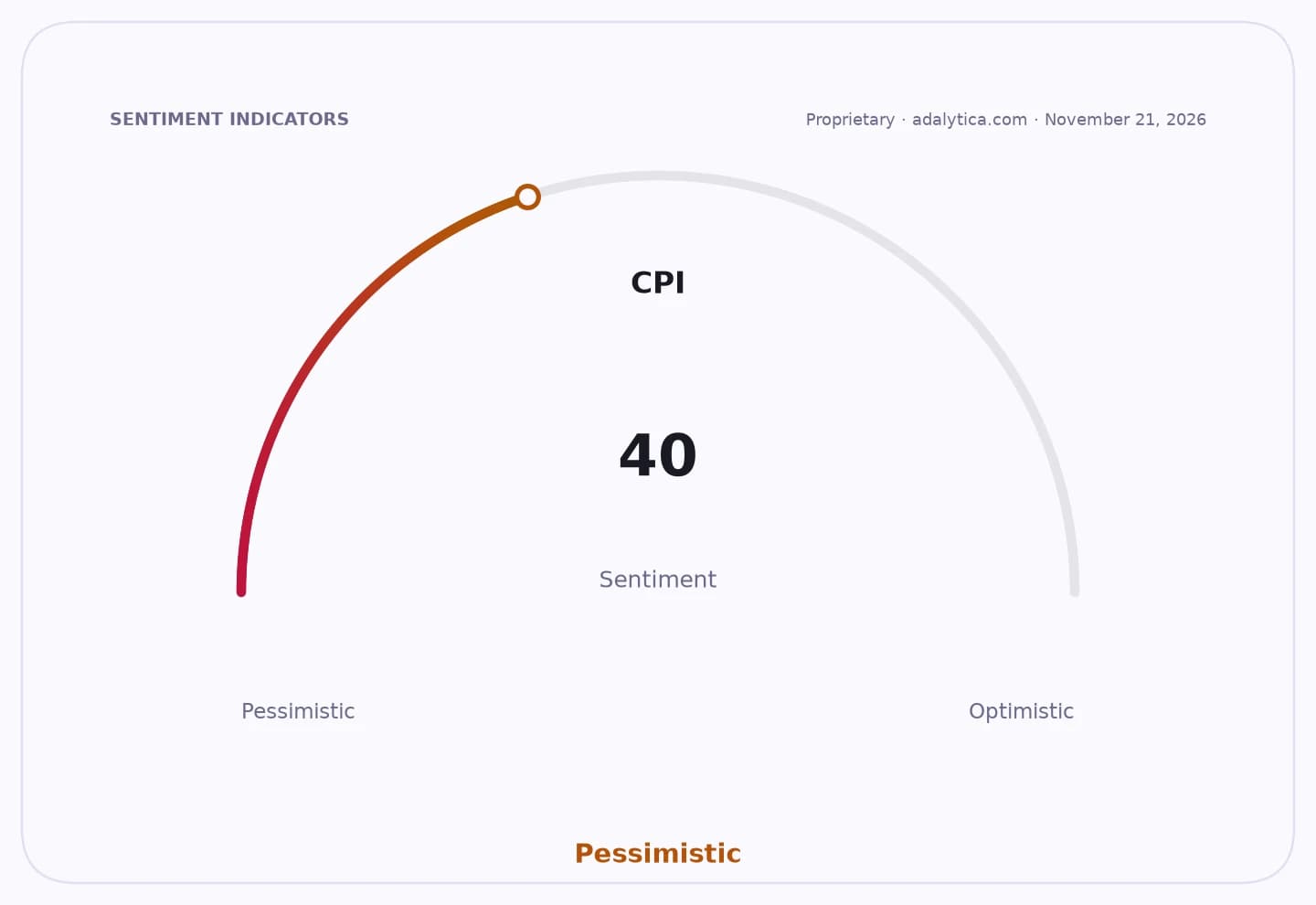
Sentiment Indicators
The consensus view is that the pause last month was temporary, not the end of the cycle. Half of the economists in the survey said one more increase in the first quarter of next year would likely finish the tightening phase, while others see the ultimate policy rate reaching 3.50% or even 3.75% if inflation and growth stay hot.
The policy debate is being shaped by exports first and foremost. A semiconductor-led rebound has strengthened South Korea’s trade outlook and helped keep growth firm, reducing the case for caution even as domestic demand is only gradually recovering. Several economists also pointed to high energy prices and the won’s weakness as reasons inflation risks remain tilted upward.
That is why the central bank’s decision also carries a foreign-exchange implication. A wider interest-rate gap with the US could renew pressure on the won, which traded around 1,341 per dollar on Monday, below its 50-day moving average but still well under the 200-day average, leaving the currency vulnerable if the Federal Reserve stays hawkish.
The Fed is part of the backdrop. All six economists in the Yonhap survey also expected another US rate increase in December, though most saw little chance of a half-point move. That keeps global monetary conditions tight and gives Seoul cover to keep lifting rates without appearing out of step with other major central banks.
For investors, the immediate read-through is clear: Korean government bonds and rate-sensitive equities could face more pressure if the Bank of Korea signals that more tightening is coming in early 2024. Homebuilders, leveraged consumers and highly indebted sectors remain exposed, while exporters and banks may be comparatively better positioned.
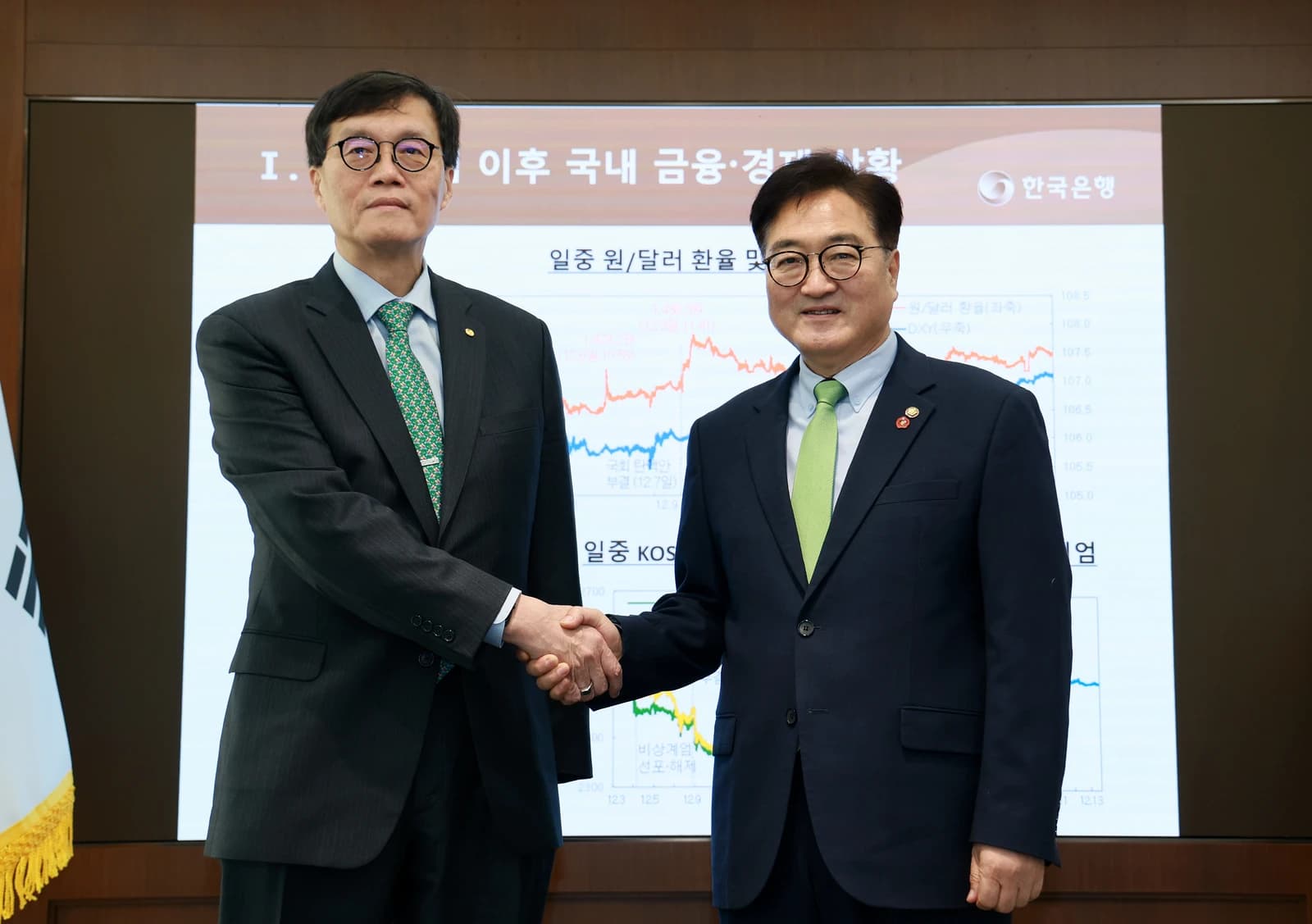
The next focus will be the size of dissent, if any, at the policy meeting and whether Governor Rhee Chang-yong signals that 3.50% is the likely endpoint. Markets will also be watching whether the won’s recent weakness and US rate expectations force the Bank of Korea to keep “austerity” in place longer than investors had expected.
| Entity | Gains | Losses |
|---|---|---|
| Bank of Korea | ▲Credibility on inflation | ▼Political room for easing |
| Korean exporters | ▲Weaker won support | ▼Higher funding costs |
| Korean households | ▲None | ▼Higher mortgage rates |
| Bond bulls | ▲Clearer policy path | ▼More rate-hike risk |