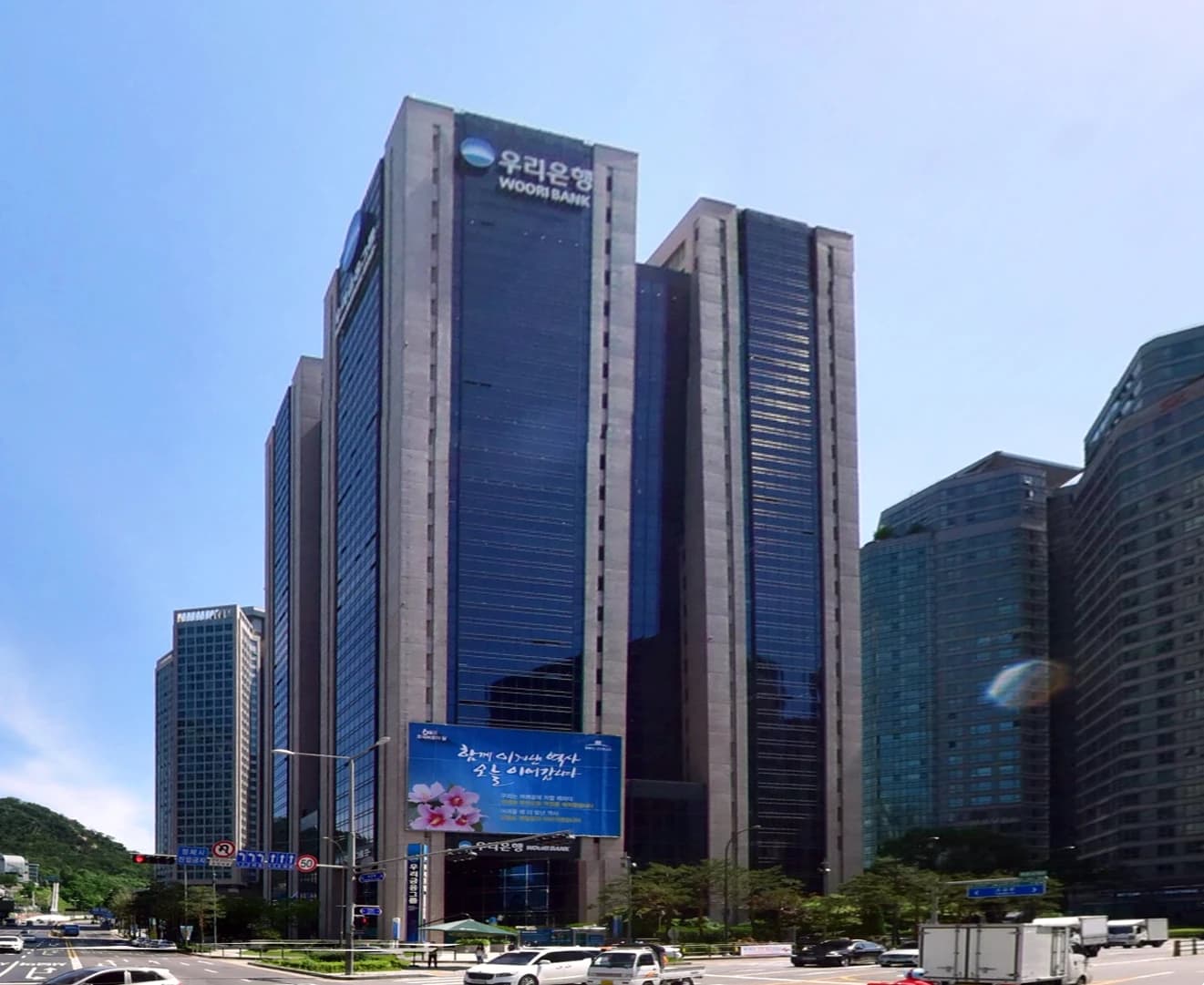
South Korea’s central bank is heading toward another rate hike, and that matters because it would reinforce a tightening bias at a time when export strength and sticky inflation are still giving policymakers little room to ease.
Bank of Korea May Raise Rates to 3.25%
CPI
DBS Group Research expects the Bank of Korea to lift its base rate by 25 basis points to 3.25% on Nov. 26, after the board unanimously held at 3.00% in October. That would follow two consecutive hikes in July and August before the pause, and would leave the central bank leaning against an economy that is still expanding through external demand rather than domestic demand.
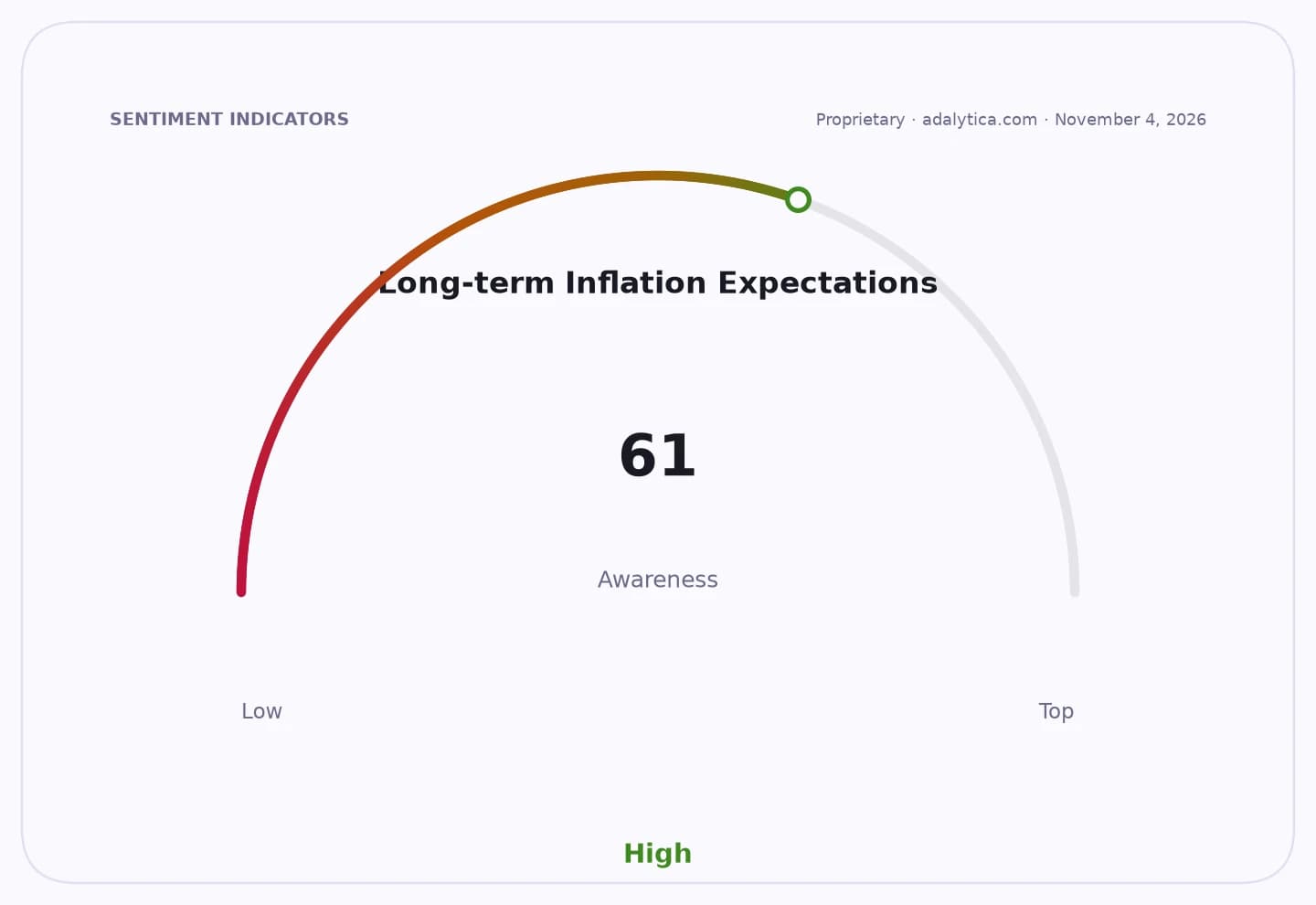
Sentiment Indicators
The case for higher rates is straightforward. Consumer prices rose 2.8% in October from a year earlier, with core inflation also at 2.8%, keeping price pressures above the level policymakers would like to see before considering a sustained pause. At the same time, trade data point to an economy that is far from needing stimulus: exports jumped 93.7% year over year in October to $115.28 billion, helped by a 259.4% surge in semiconductor shipments to $56.44 billion on the back of AI-related investment. Imports also climbed 36%, leaving a $42.50 billion trade surplus.
That combination of firmer inflation and a powerful export impulse gives the Bank of Korea cover to keep policy restrictive even as manufacturing momentum cools slightly. South Korea’s October purchasing managers’ index slipped to 51.3 from 53.9, still expansionary but moving in the wrong direction. The central bank has already signaled that further hikes depend on inflation, domestic conditions and financial stability, with housing and household debt remaining key concerns.
For investors, the implications are bigger than a single 25-basis-point move. A higher policy rate supports the won, helps anchor inflation expectations and keeps pressure on highly leveraged households, but it also raises the bar for domestically sensitive sectors that depend on cheaper credit. Banks may benefit from wider net interest margins, while consumer-facing and property-linked names could face tighter financing conditions. The export complex, especially semiconductors, remains the clearest winner because stronger external demand can absorb a firmer currency and higher funding costs better than the domestic economy can.
The bigger market narrative is that South Korea is still trading between two powerful forces: a cyclical lift from AI-driven chip demand and a policy backdrop that is not yet ready to normalize. If the Bank of Korea does hike on Nov. 26, it will confirm that inflation control and financial stability are still taking precedence over growth support — and that makes select financials and export leaders the more attractive way to play the next phase of the Korea story. Investors should be positioned for policy to stay restrictive until inflation cools more convincingly.
| Entity | Gains | Losses |
|---|---|---|
| Bank of Korea | ▲Inflation credibility | ▼Growth stimulus |
| Korean banks | ▲Wider margins | ▼Loan growth |
| Semiconductors/exporters | ▲Strong external demand | ▼Domestic rate pressure |
| Homebuyers/leveraged borrowers | ▲— | ▼Higher debt costs |