South Korea is emerging as one of the biggest economic winners from the global AI buildout, and the payoff is showing up first in semiconductor exports and a record current-account surplus.
South Korea current-account surplus hits record on chips
That matters because this is not just a trade bounce or a one-off inventory cycle. AI infrastructure spending is turning South Korea into a critical toll road in the global compute race, with demand for memory and advanced chips flowing straight through its industrial base. For investors, that makes the country’s chip champions and their supply chains a direct lever on the next leg of AI capex.
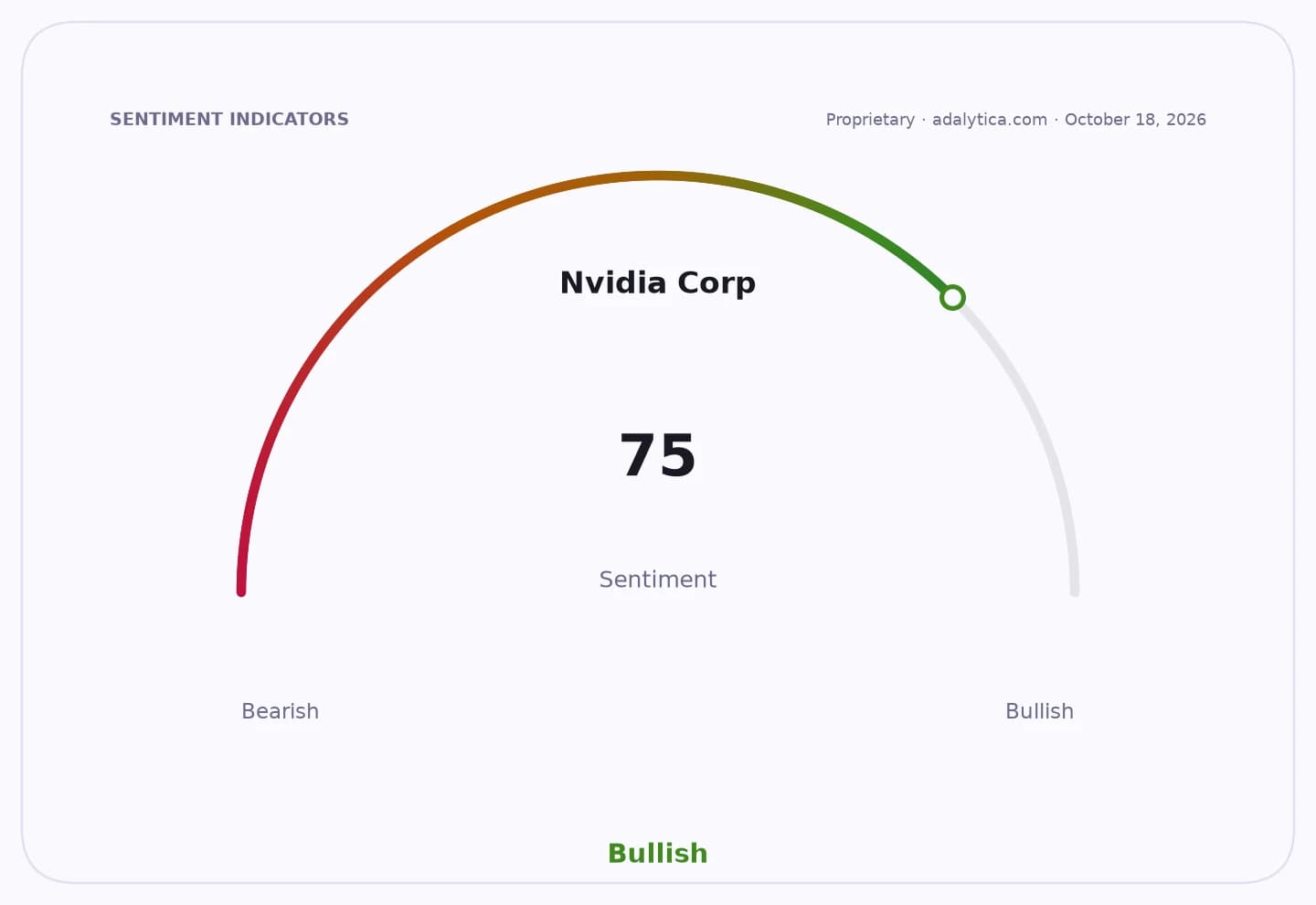
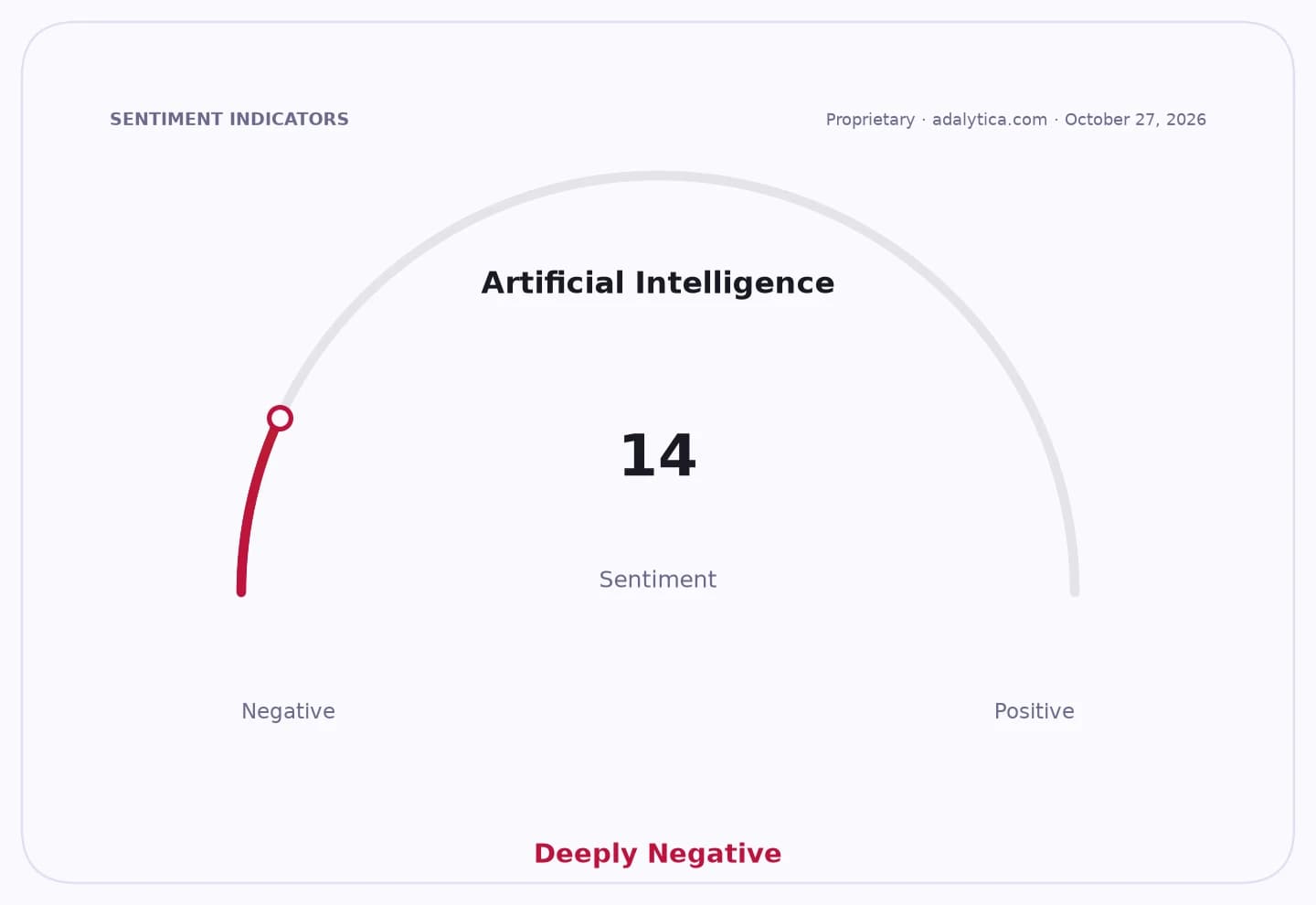
Sentiment Indicators
The Bank of Korea said the current-account surplus widened to $61.46 billion in September from $46.11 billion in August, breaking the prior record of $49.73 billion set in June. The surplus was just $14.22 billion a year earlier, and the nine-month total through September reached $340.66 billion, up sharply from $83.89 billion in the same period last year.
The engine is semiconductors. Chip exports jumped 260.3% from a year earlier, driven by heavy spending by tech giants on data centers and AI infrastructure. That is feeding orders for South Korean leaders such as Samsung Electronics and SK Hynix, which sit at the center of the memory supply chain.
Overall goods exports rose 92.4% to $130.72 billion, while imports increased 29.4% to $67.97 billion, leaving a goods trade surplus of $62.75 billion. Services remained in deficit at $3.35 billion, but investment income added a $2.65 billion surplus, helping widen the overall external balance.
The macro implication is clear: South Korea’s growth is increasingly tied to the global AI investment cycle, and the country is capturing more of the value than many investors have appreciated. The Bank of Korea now sees the annual current-account surplus potentially topping its $450 billion forecast, underscoring how powerful the semiconductor upswing has become.
But that concentration cuts both ways. A slowdown in AI investment would hit South Korea harder than most developed economies, because the export surge is so tightly bound to one theme. That makes the setup attractive for investors who want exposure to the infrastructure behind AI, but it also means the trade is no longer a simple secular story — it is a high-beta bet on continued capex from hyperscalers and chip buyers.
The market has already recognized the leadership of the biggest AI names, but the more interesting opportunity may still be underappreciated: the countries and suppliers that monetize the buildout before the software profits arrive. South Korea is one of them, and the next catalyst will be whether AI data-center spending stays hot enough to keep chip orders and external surpluses at record levels.
| Entity | Gains | Losses |
|---|---|---|
| South Korea | ▲Bigger current-account surplus | ▼Higher dependence on AI capex |
| Samsung Electronics | ▲Stronger chip orders | ▼Cyclical exposure remains |
| SK Hynix | ▲Memory demand surge | ▼Vulnerable to AI slowdown |
| AI hyperscalers | ▲More supply access | ▼Higher component costs |