South Korea’s biggest industrial groups are reshaping next year’s plans around one theme: turning AI spending into sales and profit before Chinese rivals and U.S. policy shifts erode their edge.
South Korea chaebols shift AI spending to sales
That pivot matters because the country’s largest conglomerates are no longer treating AI as a capex race alone. They are trying to monetize the spending spree across semiconductors, energy, data centers, robotics and mobility at a time when global demand is still strong but margins, supply chains and trade rules are getting harder to navigate.
Sentiment Indicators
Samsung Electronics, SK Group and LG Group are each moving to stitch AI deeper into their core businesses, while Hyundai Motor is stepping up local competition abroad and Hanwha and HD Hyundai are expanding in the United States. The push comes as South Korea’s chipmakers have already reaped windfall profits from AI demand, with the country’s semiconductor sector benefiting from the global build-out of data centers and advanced memory.
Samsung’s 2027 plan is expected to center on extending the AI-memory boom with more high-end supply such as HBM4, while also aligning with big tech customers developing their own AI chips. The group is also under pressure to lift weaker businesses including foundry, System LSI, smartphones and consumer electronics, as it tries to recycle semiconductor cash into future growth.
SK is moving toward what it calls an “AI full-stack provider” strategy, linking SK Hynix’s AI memory strength with power, energy, data centers, telecoms and business-process automation across the group. The company is also leaning into energy security for AI infrastructure, including LNG, LPG and nuclear investments, as power demand from data centers becomes a bottleneck.
LG is pitching a similar “One LG” model, tying together cooling, batteries, data-center construction and operations, and even physical AI applications across robotics, sensing and actuators. For investors, the message is that the group wants AI exposure without relying solely on chips, which should help spread risk if memory cycles cool.
Hyundai Motor is responding to Chinese automakers’ push into Europe, Latin America and Southeast Asia by emphasizing localization, new EV models and robotics. Boston Dynamics is set to enlarge its U.S. robotics center tenfold, a sign the group is betting physical AI can become a second growth engine alongside electric vehicles and PBVs.
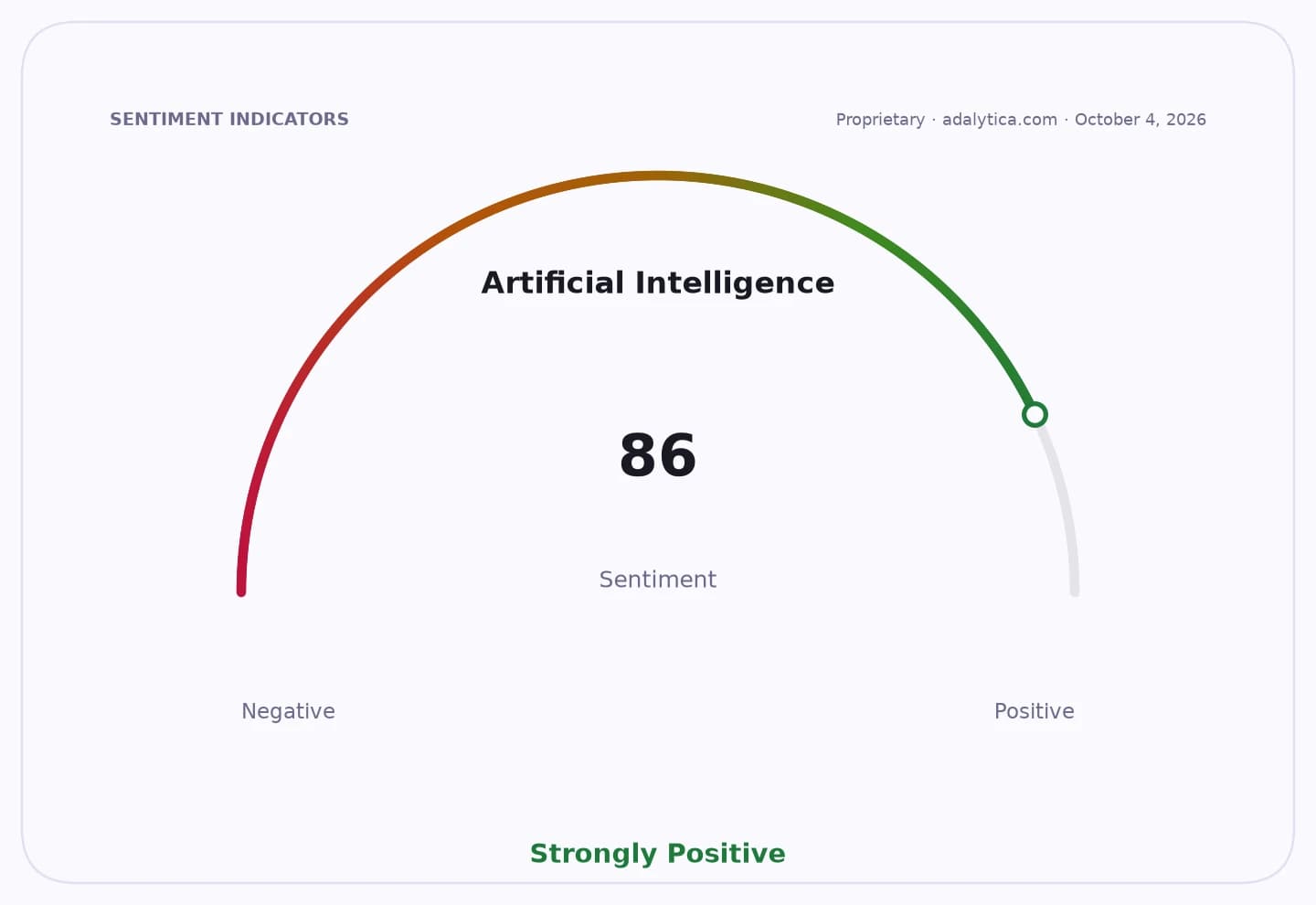
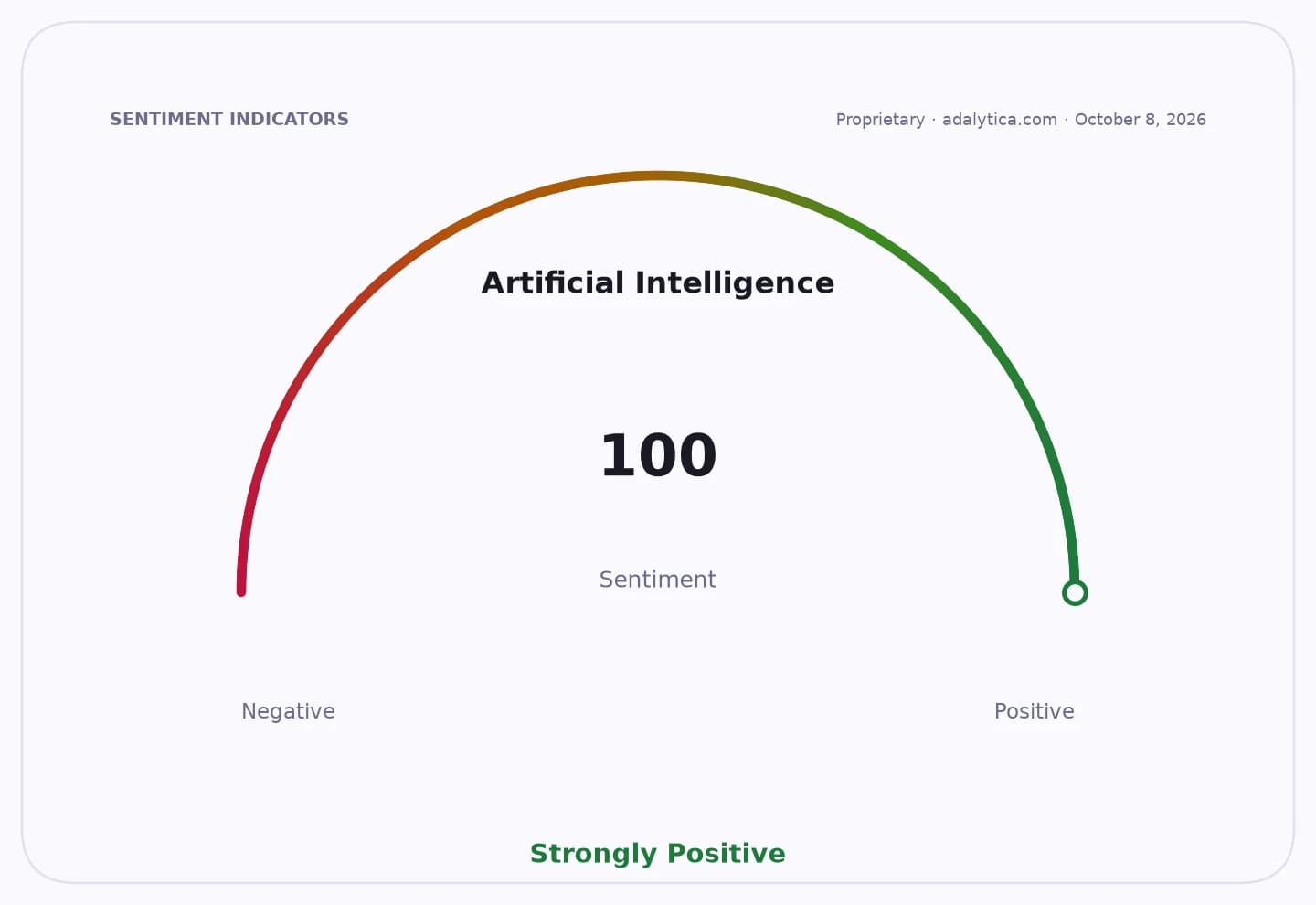
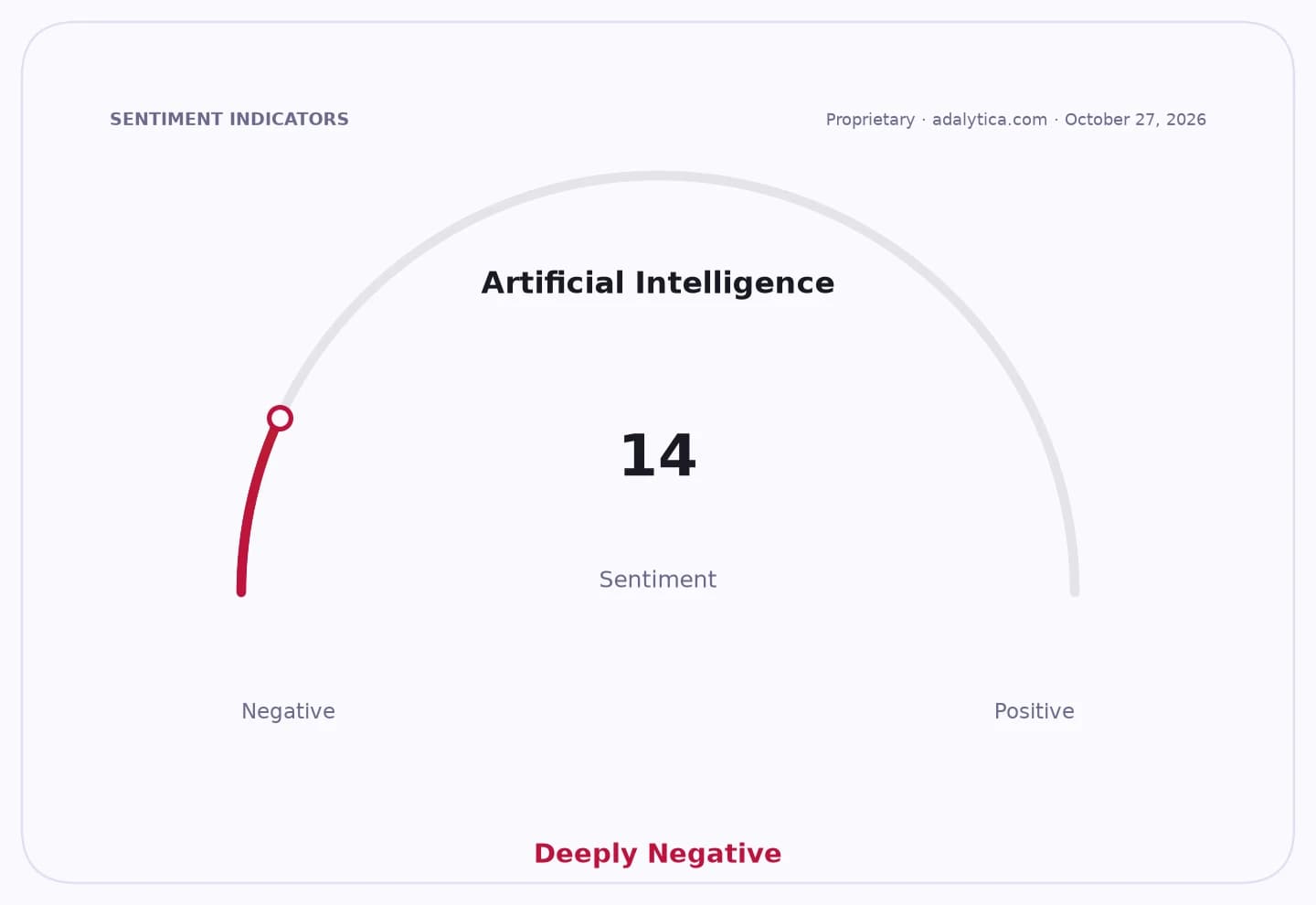
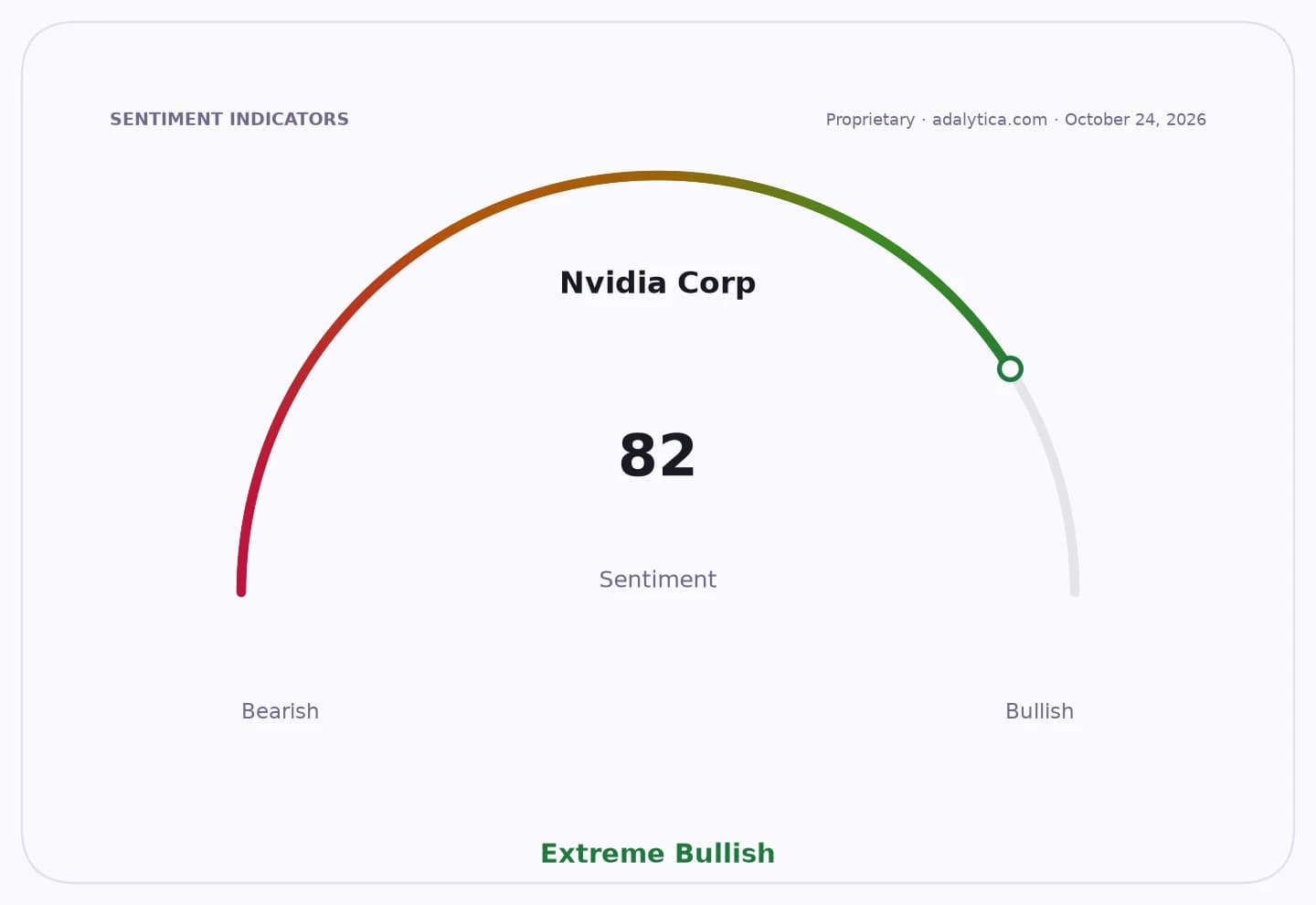
The industrial backdrop also remains supportive. South Korean chip stocks have been buoyed by the AI surge, and market data show semiconductor leaders still trading above their 200-day moving averages even after recent pullbacks. But the broader AI trade has become more volatile, with sentiment gauges showing sharper swings as investors weigh whether the spending boom is turning into durable earnings.
The next catalyst is the sequence of corporate plan-setting meetings, management reshuffles and year-end strategy reviews across the chaebols, followed by signals on U.S. trade policy, AI capex and demand from global cloud providers. For investors, the key question is no longer who is spending on AI, but who can prove it is paying off.
| Entity | Gains | Losses |
|---|---|---|
| Samsung, SK, LG | ▲AI-linked revenue growth | ▼Pressure to monetize spending |
| Hyundai Motor | ▲New EV and robotics runway | ▼Chinese export competition |
| Hanwha, HD Hyundai | ▲U.S. expansion opportunities | ▼Higher execution and capex risk |