South Korea has put its new Hangang supercomputer online, a $276 million machine built around 8,496 Nvidia GPUs that is meant to give the country more firepower in artificial intelligence, weather forecasting and scientific research.
South Korea launches Hangang supercomputer with Nvidia GPUs
The system’s 614.7 petaflops of theoretical peak performance make it 24 times more powerful than its predecessor, Nurion, and position it for a possible top-10 slot in the next Top500 ranking of the world’s fastest supercomputers. For Seoul, the upgrade is about more than prestige: it gives researchers and state-backed projects the computing capacity needed to train larger AI models and run more demanding simulations at a time when access to advanced chips has become a strategic asset.
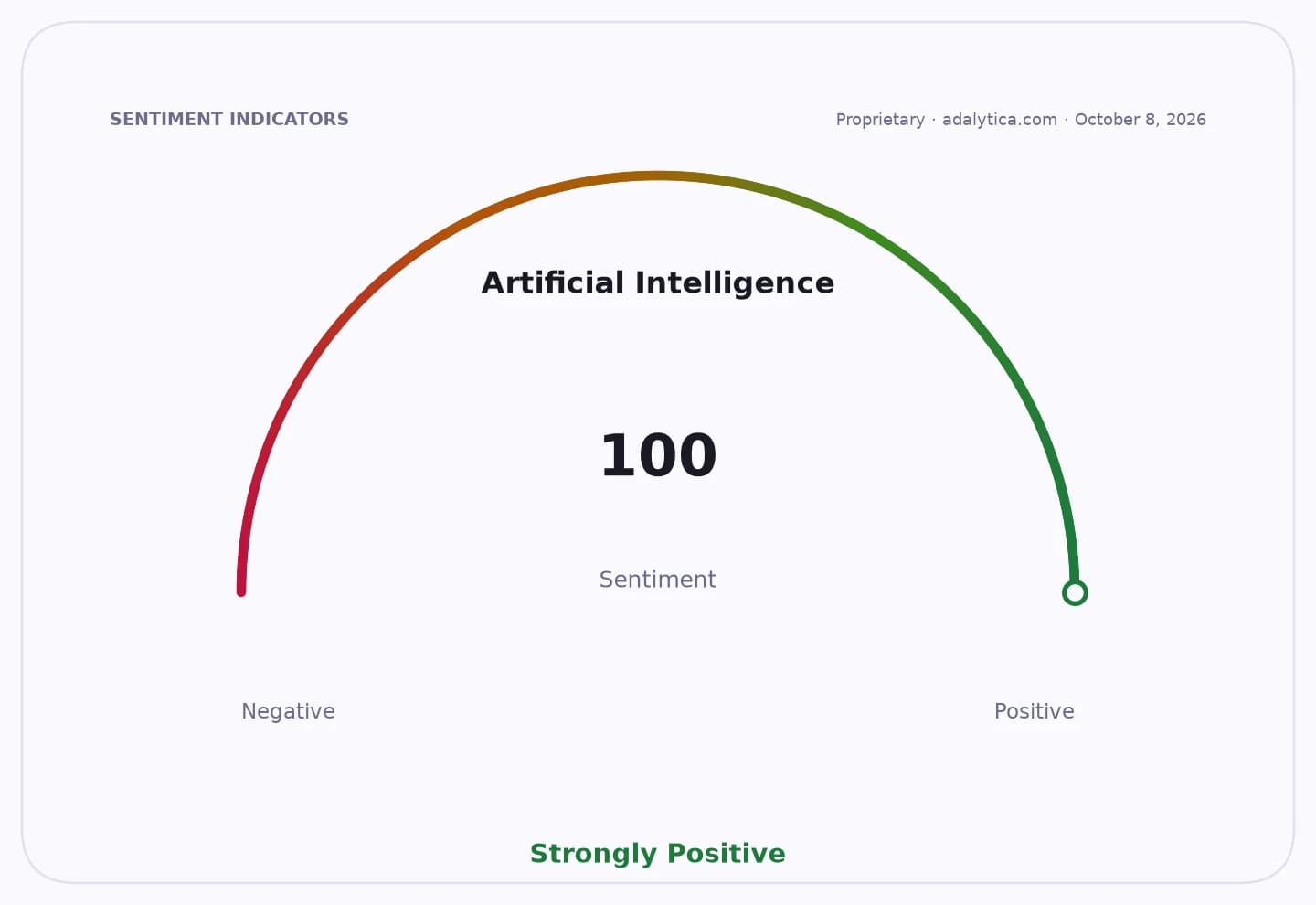
Sentiment Indicators
Hangang was developed by the Ministry of Science and ICT and the Korea Institute of Science and Technology Information at a cost of 382.5 billion won. It replaces Nurion, which launched in 2018 and supported 1,730 research projects over its lifespan, producing 1,520 peer-reviewed papers, including work published in journals such as Nature, Science and Cell.
The new machine is built for both high-performance computing and modern machine learning workloads, a shift that reflects how national supercomputing infrastructure is being repurposed for the AI boom. Alongside weather and crash simulations, Hangang will support the government’s K-Moonshot initiative, which aims to use advanced AI models to tackle major science and technology problems.
For Nvidia, the launch is another reminder that national AI spending is still flowing into its hardware ecosystem even as the stock has been under pressure. Nvidia shares closed at $186.64 on Friday, well below their 50-day moving average of $219.77 and near the lower end of their Bollinger Band range, while Adalytica’s proprietary earnings sentiment gauge shows “Extreme Fear” around the name. Supercomputer wins like Hangang help reinforce demand for high-end GPUs even when investor sentiment sours.
The project also has spillover benefits for suppliers and builders of AI infrastructure, including server and systems vendors tied to the broader data-center buildout. Supermicro shares have also been volatile, while Taiwan Semiconductor Manufacturing remains a core chipmaking beneficiary of global AI demand through its foundry role.
Hangang entered pilot testing in late October and is due to begin full service on Dec. 16, giving South Korea a new national computing backbone as governments compete to secure the chips and infrastructure needed for the next phase of AI development.
| Entity | Gains | Losses |
|---|---|---|
| South Korea / KISTI | ▲stronger AI capacity | ▼older Nurion system |
| Nvidia | ▲GPU demand validation | ▼rivals in AI accelerators |
| Supermicro / data-center suppliers | ▲infrastructure orders | ▼slower procurement cycles |
| TSMC | ▲advanced chip foundry demand | ▼limited direct downside |