Tajikistan is trying to turn itself into a regional AI foothold, unveiling a plan for Central Asia’s first applied artificial intelligence hub with support from NVIDIA as governments across Asia race to build domestic AI capacity.
Tajikistan plans first Central Asia AI hub with NVIDIA
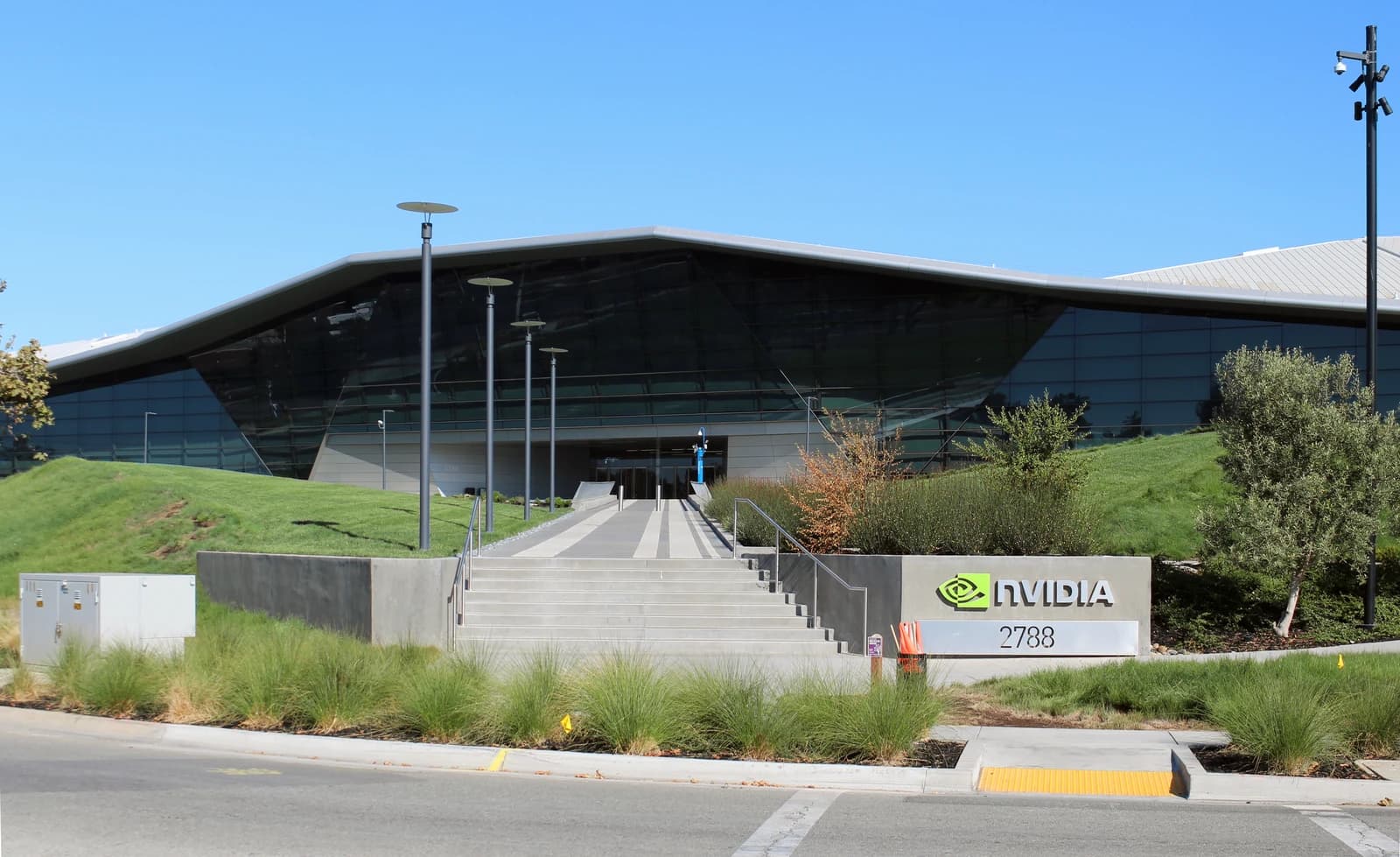
The project matters because it is less about a single campus in Dushanbe than about whether a smaller, resource-dependent economy can use AI infrastructure to move up the value chain. If successful, the hub could help Tajikistan train workers, attract technology partners and seed industrial use cases in mining and other sectors, where productivity gains would have immediate economic value. It also gives NVIDIA another flag in the expanding map of national AI programs, deepening its reach beyond the biggest markets even as the company’s shares have pulled back from recent highs.
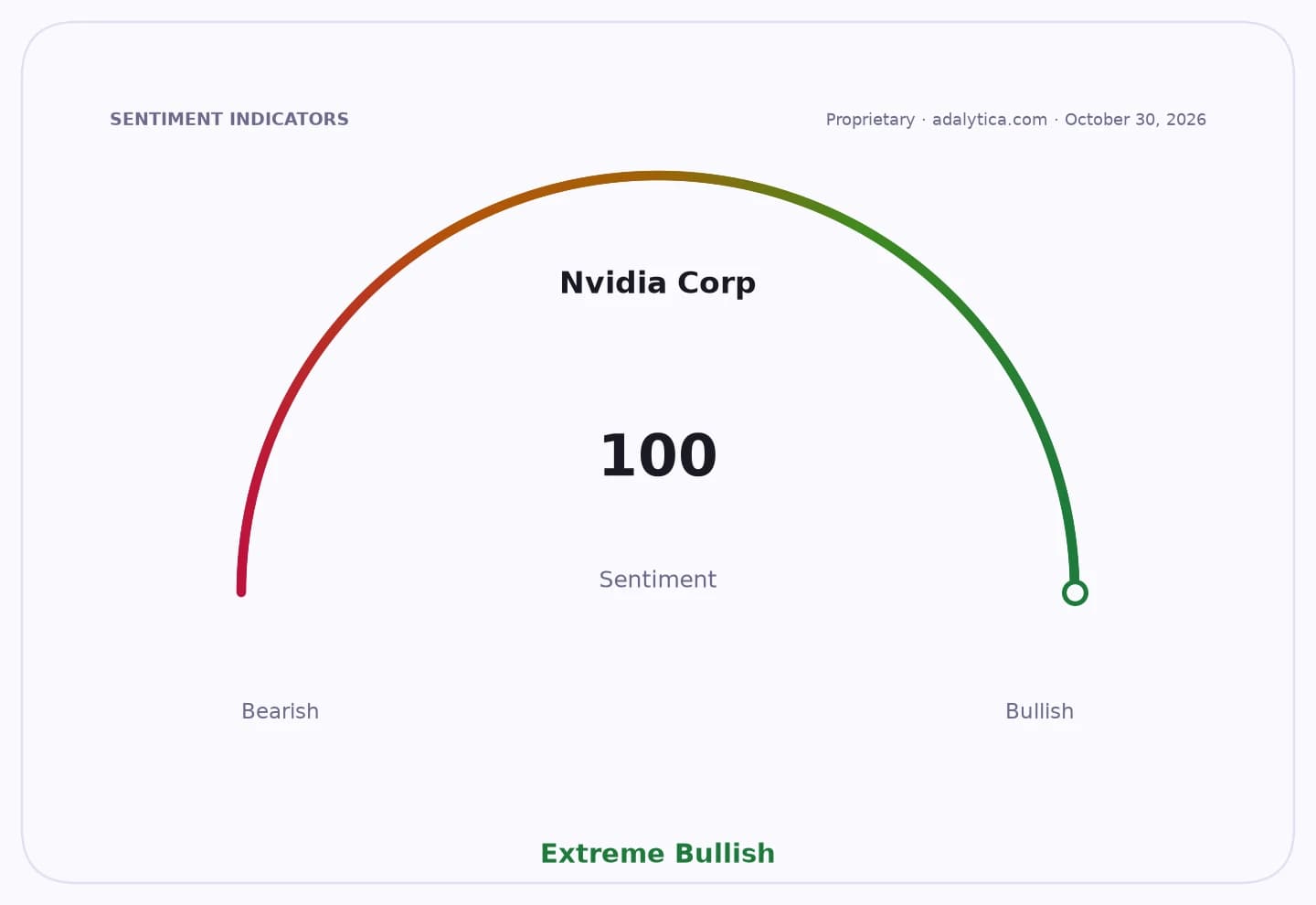
Sentiment Indicators

The announcement came from Tajikistan’s embassy in Germany during NVIDIA’s GTC Berlin 2026 conference, where officials presented the AI Innovation Hub on the Area AI platform. Representatives from Armada, VEON, DataVolt, Perplexity and Supermicro attended, underscoring that the project is being framed as part of a broader ecosystem rather than a purely government-backed showcase.
Tajikistan is leaning on policy as much as technology. The government said artificial intelligence is a state priority, and officials linked the hub to a July 2025 UN General Assembly resolution on AI and sustainable development in Central Asia. That gives the initiative diplomatic weight beyond its immediate economic scale, and it suggests Dushanbe wants to position itself as a contributor to regional standards-setting rather than just a consumer of imported tools.

The economic logic is straightforward. Central Asia remains underpenetrated in advanced digital infrastructure, and countries in the region still rely heavily on commodities, remittances and low-productivity industries. An AI hub that connects universities, startups and industrial enterprises could help Tajikistan develop technical skills at home instead of exporting talent, while a planned Physical AI lab in Khujand points to practical applications in industry and mining. For a country with limited fiscal room, that kind of productivity upgrade is one of the few routes to higher-value growth without large-scale capital outlays.
For NVIDIA, the project highlights how national AI strategies are becoming a new demand channel for chips, software and partner ecosystems. The company has increasingly benefited from governments and state-backed entities that want to localize AI capacity, build training centers and establish sovereign compute. But the stock’s recent weakness shows investors remain sensitive to the gap between long-term infrastructure demand and near-term valuation and execution risk. NVIDIA shares have slipped below their 50-day moving average and its RSI sits near oversold territory, reflecting a loss of momentum even as the broader AI buildout narrative remains intact.
That tension mirrors the wider AI market. Adalytica’s AI sentiment gauge is in “Extreme Fear,” while NVIDIA’s own sentiment reading has dropped sharply from a recent peak, suggesting enthusiasm around the sector has cooled even as strategic projects continue to proliferate. For investors, that makes the Tajikistan announcement less of a direct earnings catalyst than a reminder that the AI buildout is becoming geographically broader and politically embedded.
The key question now is whether the hub becomes a functioning economic platform or remains a symbolic milestone. A credible training and industrial application program would strengthen Tajikistan’s claim to be Central Asia’s AI pioneer and could pull in more corporate partners. If not, the project risks becoming another headline in a region where digital ambitions often outrun infrastructure. Either way, the announcement shows that the next phase of AI competition is not just about model performance or chip supply, but about which countries can turn the technology into domestic capacity.
| Entity | Gains | Losses |
|---|---|---|
| Tajikistan government | ▲Regional AI profile | ▼Execution risk if project stalls |
| NVIDIA | ▲Sovereign AI demand channel | ▼Near-term valuation support from hype weakens |
| Local universities and startups | ▲Training and research access | ▼Dependence on imported expertise |
| Traditional industrial sectors | ▲Potential productivity gains | ▼Legacy workflows face disruption |