South Africa’s central bank left interest rates unchanged, but the bigger message for investors is that the Reserve Bank is nowhere near done fighting inflation.
South Africa central bank holds rates at 7.25%
The repo rate stayed at 7.25%, with the prime lending rate unchanged at 10.75%, after a tight 4-3 vote at the final Monetary Policy Committee meeting of the year. Three members still wanted a 25-basis-point hike, a reminder that policymakers are not fully convinced the inflation scare has passed.
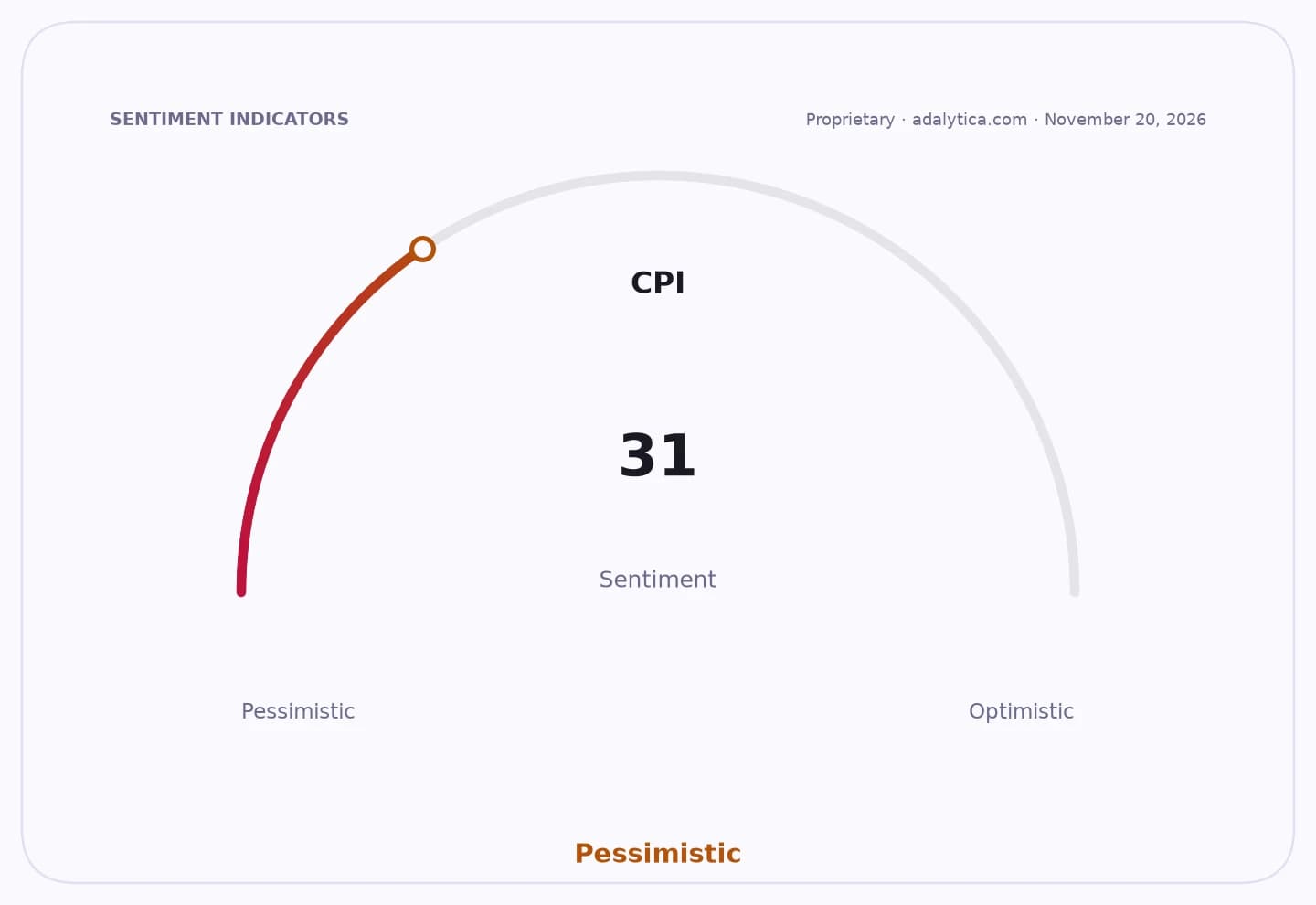
Sentiment Indicators

That matters because the latest inflation data turned less friendly just as households and businesses were hoping for relief. Consumer inflation jumped to 5.2% in October from 4.5% in September, driven largely by transport costs and fuel inflation running at around 40%. For a rate-sensitive economy like South Africa’s, that keeps borrowing costs elevated even without an immediate hike.
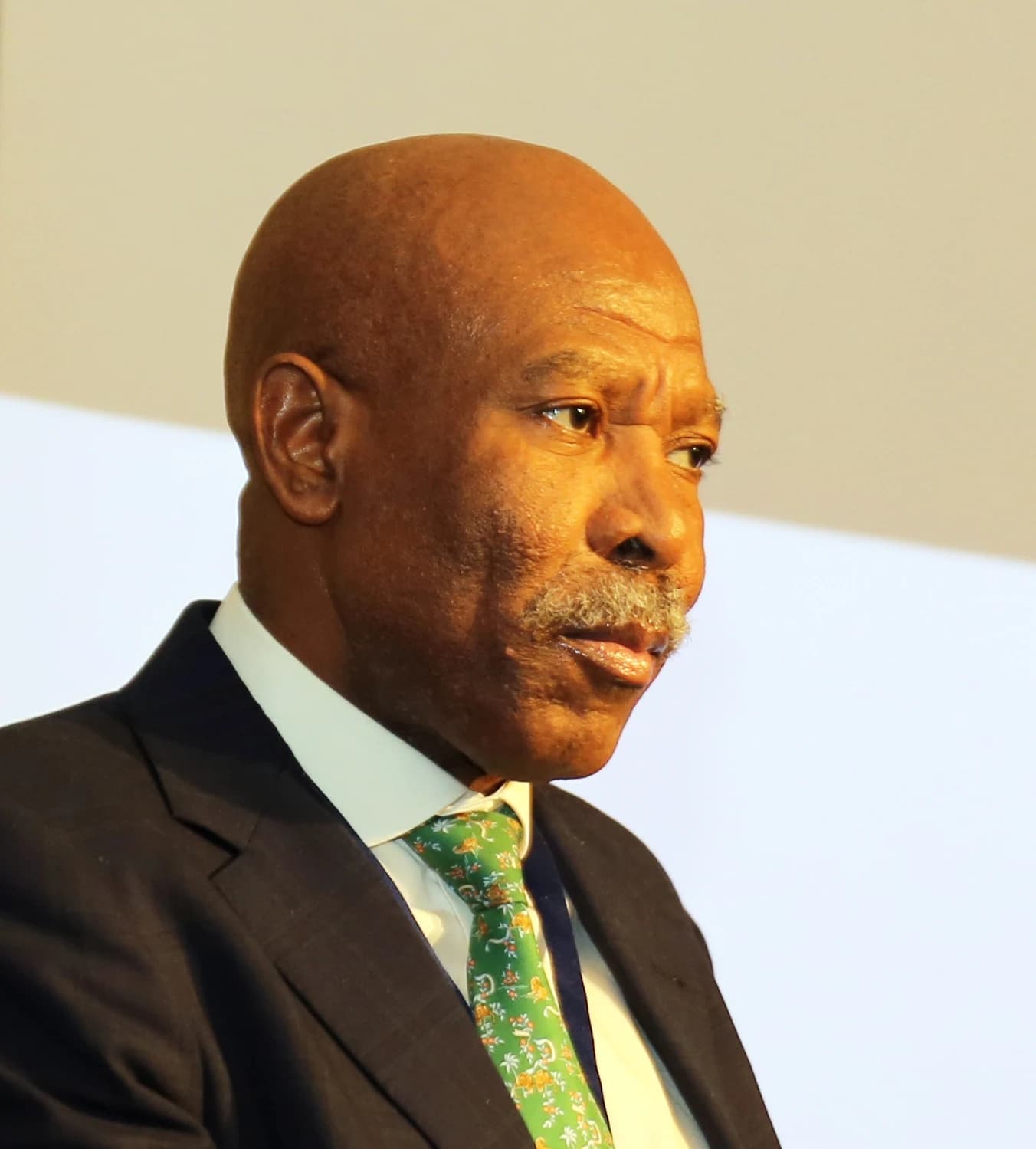
Governor Lesetja Kganyago said the committee paused after two rate moves this year, arguing policy is already “moderately restrictive.” But he also made clear the bank would act again if needed to get inflation back to target. In plain English, this is not the start of an easing cycle investors can bank on. It is a wait-and-see pause with hawkish language attached.
CPI
That distinction matters for the economy. Higher rates tend to restrain credit growth, mortgage demand and business investment, all of which can weigh on already sluggish growth. The central bank sees growth picking up only gradually to about 2% over the forecast period, after running just above 1% now, and it still says investment is too weak to support stronger long-term expansion. In other words, South Africa is trying to tame inflation without choking off the little growth it has.
For investors, the message is mixed but important. Bond markets may like the fact that rates were not pushed higher today, but the bank’s warning means duration risk remains alive if inflation proves sticky. Equity investors, especially in rate-sensitive sectors such as banks, retailers and property, should not assume falling borrowing costs are just around the corner. The central bank’s own risk scenarios showed that if oil climbs to $130 a barrel or if global fiscal strains lift risk premiums, inflation could stay above 5% next year and force at least two more hikes.
The rand, meanwhile, remains vulnerable to the same pressures the Reserve Bank flagged: a stronger dollar, geopolitical disruptions to fuel markets and dry weather that could hit harvests. Food inflation is expected to rise from current low levels, and water restrictions in the Western Cape are a reminder that climate risks can quickly spill into prices.
| Entity | Gains | Losses |
|---|---|---|
| South African Reserve Bank | ▲Credibility on inflation | ▼Growth-sensitive borrowers |
| Savers and fixed-income holders | ▲Higher real returns for longer | ▼Mortgage and loan applicants |
| Banks and lenders | ▲Elevated lending margins | ▼Rate-cut hopeful sectors |
| South African consumers | ▲Some inflation restraint over time | ▼Higher living and financing costs |