Japan’s rental market is tightening nationwide as high construction costs and a shrinking supply of homes for sale keep pushing more households into rentals, lifting asking rents across the country and setting up another source of pressure on living costs.
Japan rents rise as housing supply tightens
The clearest strain is in Tokyo, where average rent for single-occupancy apartments rose 9.7% from a year earlier to 114,460 yen in September, according to property information service At Home, marking a second straight month of record highs. All 13 surveyed regions posted year-on-year gains for units of 30 square meters or less, underscoring that the increase is broad-based rather than limited to a few overheated urban pockets.
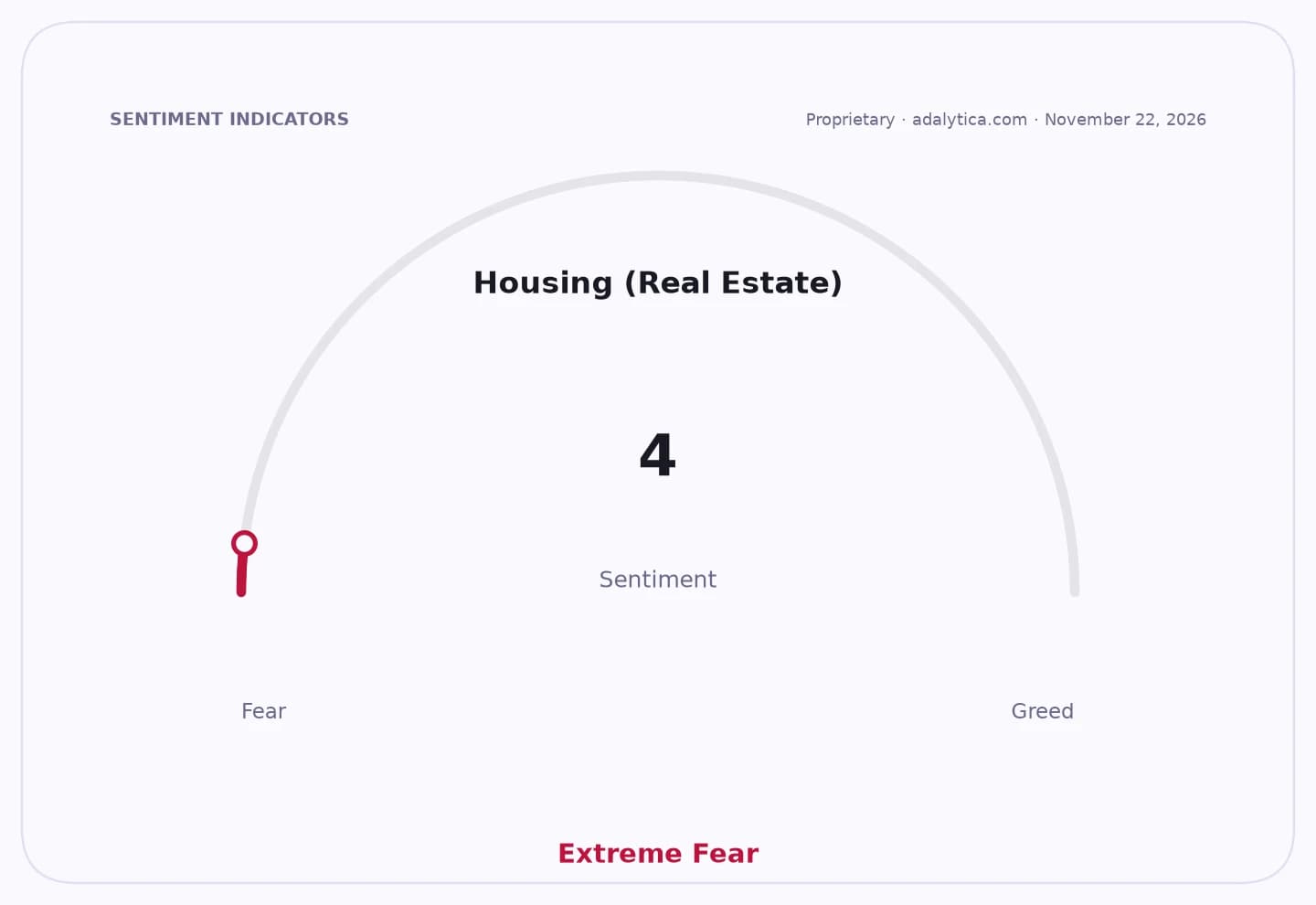
Sentiment Indicators
The surge is being driven by a mix of higher building and repair costs, with materials and labor both more expensive, and by fewer listings on the market. In Tokyo’s 23 wards, the number of single-person rental listings on SUUMO in the January-March period fell to just over 70,000, down about 54% from the same period in 2022, leaving would-be tenants with fewer options and less bargaining power.
That matters for the economy because rent is one of the biggest recurring household expenses and a sticky component of inflation. If mortgage rates continue to rise and more buyers stay on the sidelines, rental demand could climb further, helping keep prices elevated even if broader inflation cools elsewhere.
The pattern is showing up well beyond the capital. Rents rose 4.7% in Sapporo, 7.3% in Nagoya, 8.0% in Osaka and 14.0% in Fukuoka, suggesting that tighter supply and higher costs are feeding a national repricing of apartments. For landlords, that supports revenue growth; for tenants, it adds another hit to disposable income at a time when wages are still struggling to fully offset living costs.
The backdrop is a Japanese housing market where condominium prices have stayed elevated, keeping ownership out of reach for some buyers and reinforcing demand for rentals. That dynamic could keep favoring apartment operators and single-family landlords, while putting pressure on policymakers watching whether housing costs become a more durable driver of consumer inflation.
| Entity | Gains | Losses |
|---|---|---|
| Landlords and REITs | ▲Higher rent revenue | ▼More scrutiny on pricing |
| Renters | ▲Limited relief from ownership costs | ▼Higher monthly housing bills |
| Homebuyers | ▲More time to wait on purchases | ▼Continued affordability squeeze |
| BOJ / policymakers | ▲Clearer inflation signal | ▼Harder case for cost relief |