Corporations are not just renting homes anymore — they are increasingly buying them outright, and that shift is becoming one of the clearest investable themes in housing.
Rabobank buys Vesteda rental homes in Netherlands
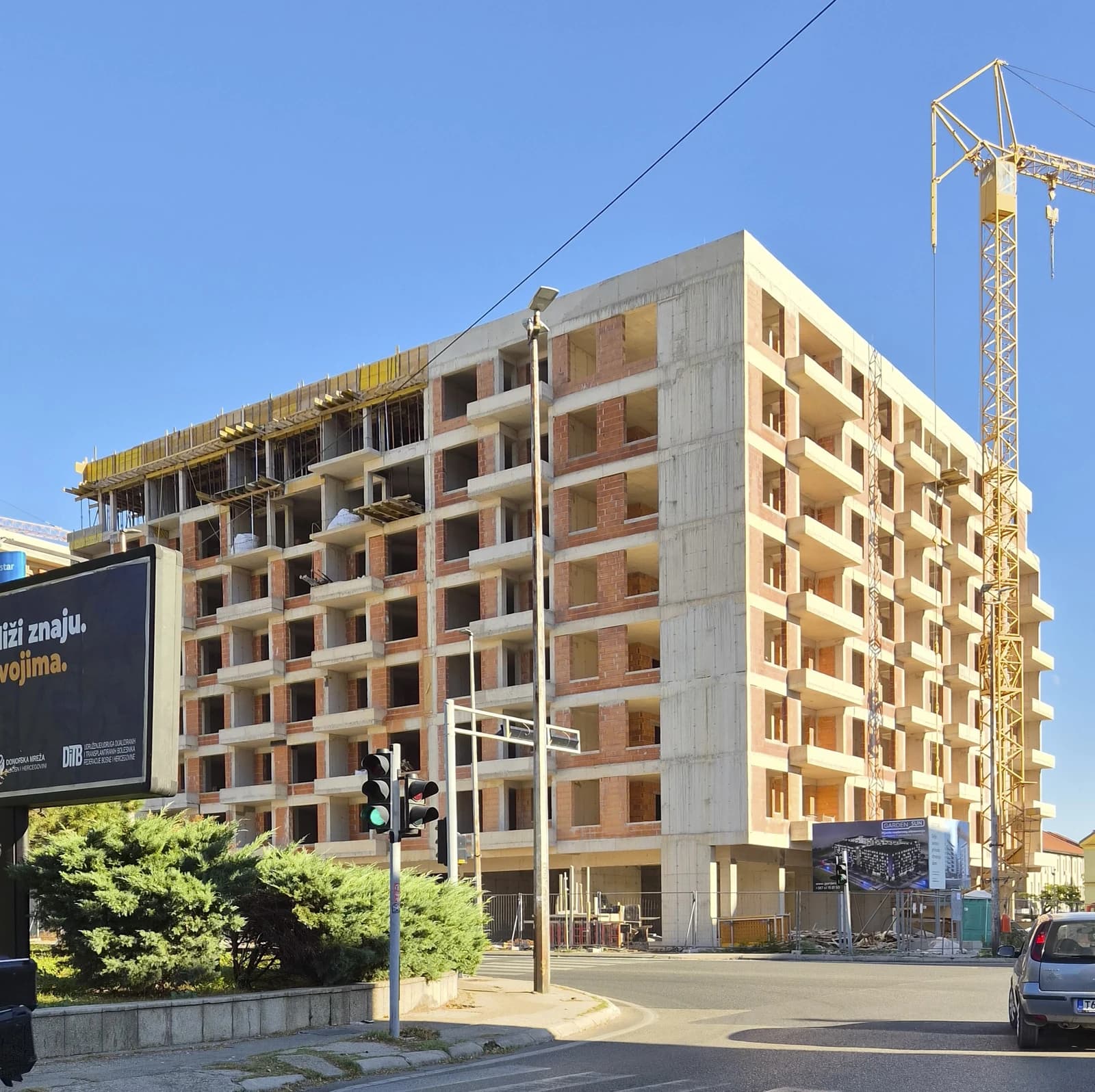
The biggest recent example is Rabobank’s nearly €1 billion purchase of rental properties from Vesteda, the Netherlands’ largest commercial housing investor. The deal covers 2,828 single-family homes and apartments nationwide and, crucially for the market, preserves existing rents and lease conditions. That tells you two things: institutional capital still sees housing as a durable store of cash flow, and owners are willing to transact at scale even in a world of higher rates and strained affordability.
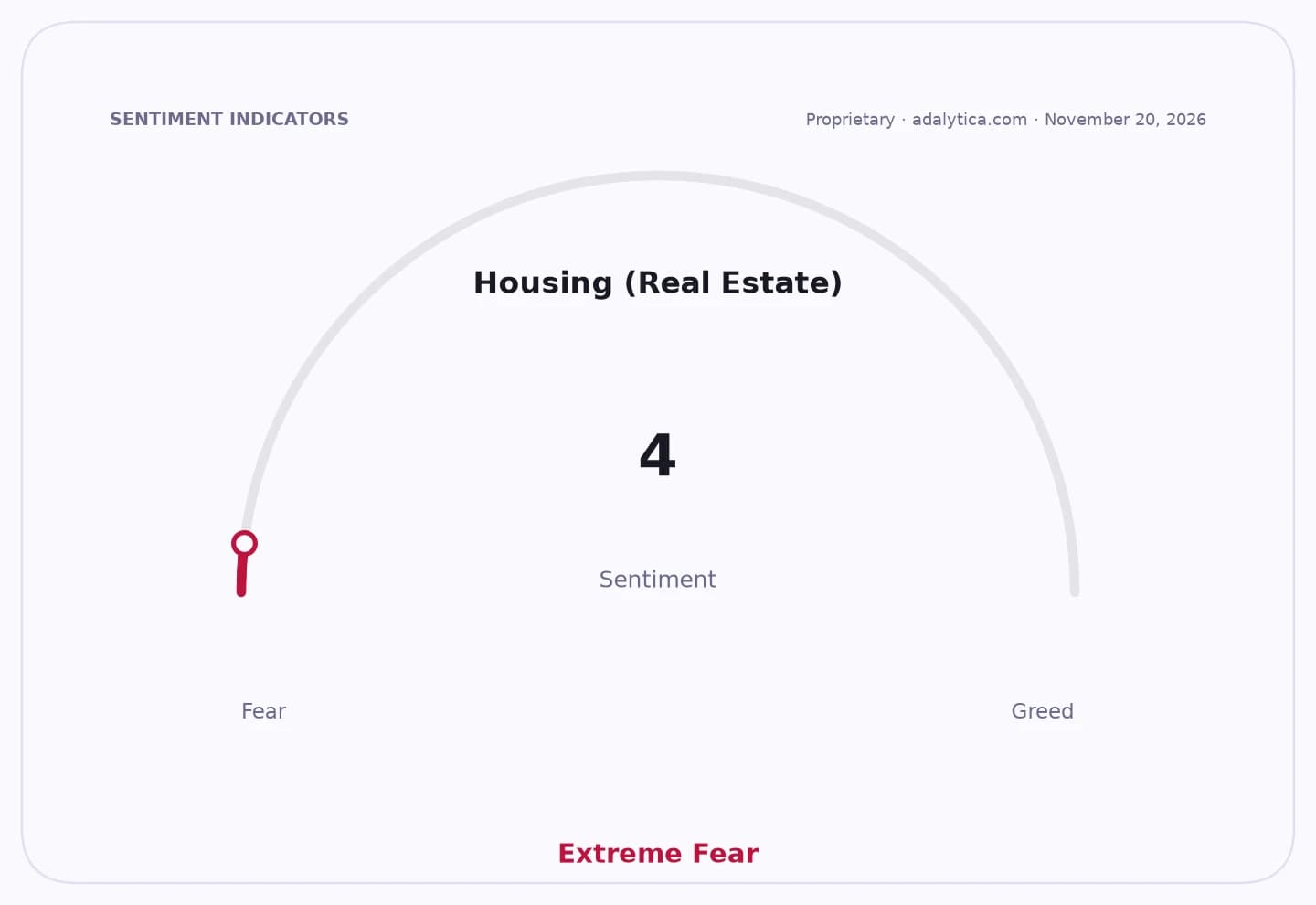
Sentiment Indicators

This matters because housing is no longer just a consumer cycle story. It is becoming a capital-allocation story. When corporations step in as buyers, developers, lenders and long-term holders, they change the economics of supply, rental pricing and portfolio returns. In markets where homeownership is increasingly out of reach, institutional capital can keep transaction activity alive and stabilize rental assets — but it also intensifies the competition for limited inventory.
Investors should read this as a second-order opportunity. The obvious trade is the landlord REIT, but the better thesis may sit in the infrastructure around residential ownership: financing, property management, renovation, building materials and the rental platforms that benefit when more homes shift into institutional hands. The market often misses how persistent housing demand becomes once corporations start treating homes like income-producing assets rather than isolated residences.
The backdrop is supportive. U.S. housing has been pinned by elevated mortgage rates and affordability stress, yet homebuilding and rental shares have shown that capital still rotates into residential real estate when the economics are right. The iShares U.S. Home Construction ETF has been volatile, but the latest readings show the group holding above its 50-day average, while the iShares U.S. Home Construction ETF and the Vanguard Real Estate ETF both remain close enough to their longer-term averages to suggest investors have not fully priced a renewed institutional push into housing.
What the market underestimates is the durability of the rental-income model. In a high-rate world, ownership becomes less about speculative price appreciation and more about yield, scarcity and balance-sheet discipline. That favors large, well-capitalized buyers and the suppliers that feed them. If more corporations follow Rabobank’s playbook, residential real estate stops looking like a frozen consumer market and starts looking like a secular capital-light income industry.
The next catalyst is more institutional capital moving into rental portfolios, especially in countries and cities where housing shortages keep occupancy high and pricing power intact. For investors, that argues for exposure to the toll roads of housing: landlords, homebuilders, property-service providers and financing vehicles that profit whether the renter or the buyer wins the transaction.
| Entity | Gains | Losses |
|---|---|---|
| Rabobank and other institutional buyers | ▲Long-duration rental income | ▼Entry prices and leverage risk |
| Rental REITs and landlords | ▲Asset values and pricing power | ▼Policy scrutiny |
| Homebuilders and housing suppliers | ▲More capital and demand | ▼Margin pressure if rates stay high |
| Would-be homebuyers | ▲Little immediate benefit | ▼Fewer affordable listings |