China is reassessing the commercial case for a long-discussed gas pipeline from Russia at a moment when global energy markets are already sensitive to supply shocks, pricing power and sanctions risk.
China Reassesses Power of Siberia-2 Gas Pipeline
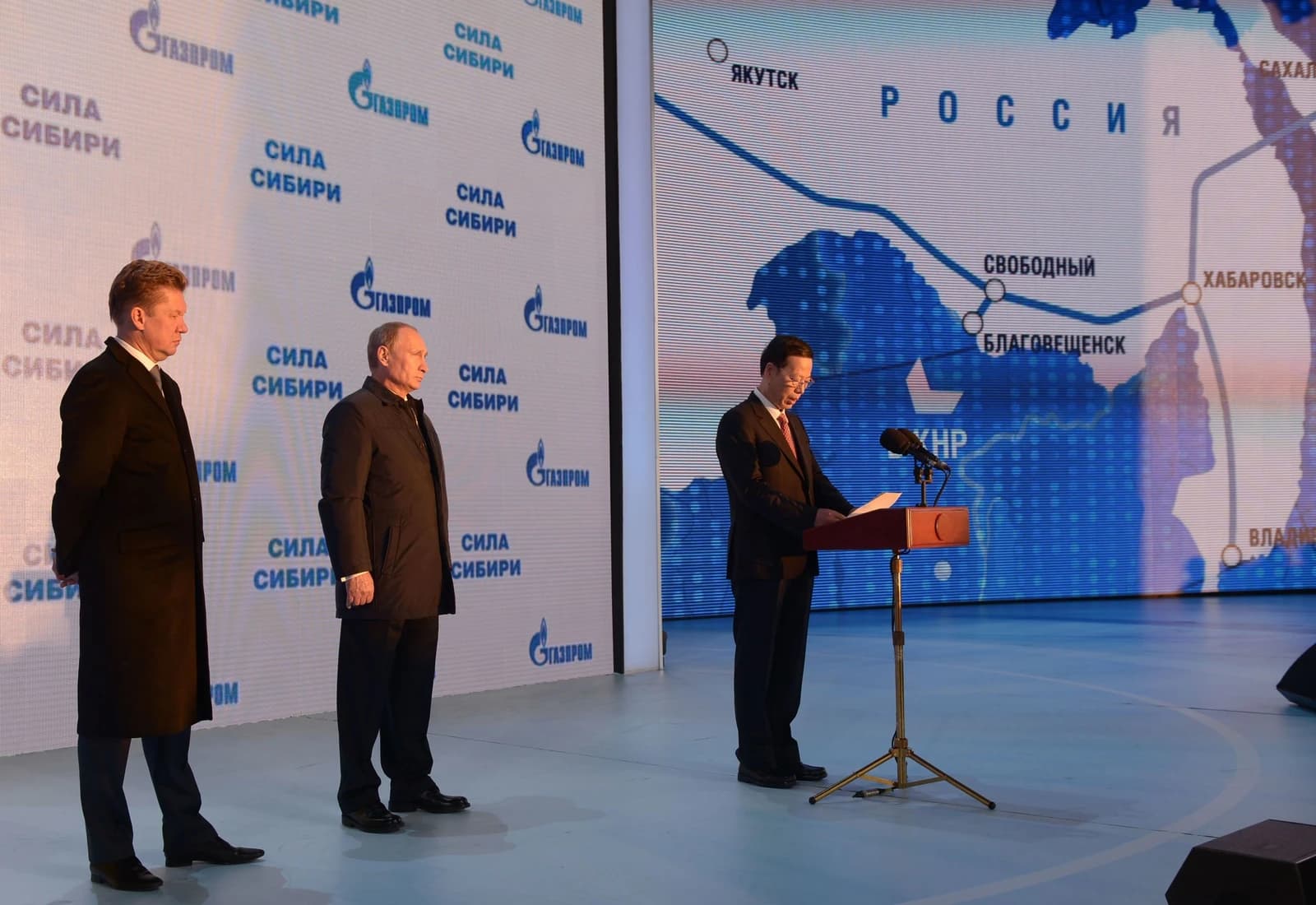
The talks over Power of Siberia-2 matter because the project would reshape long-term flows of natural gas in Asia, deepen China’s energy security ties with Moscow and potentially reduce Russia’s dependence on Europe as a customer of last resort. For investors, any progress would carry implications for LNG exporters, pipeline rivals, oil-linked gas pricing and broader geopolitical risk premia across energy markets.
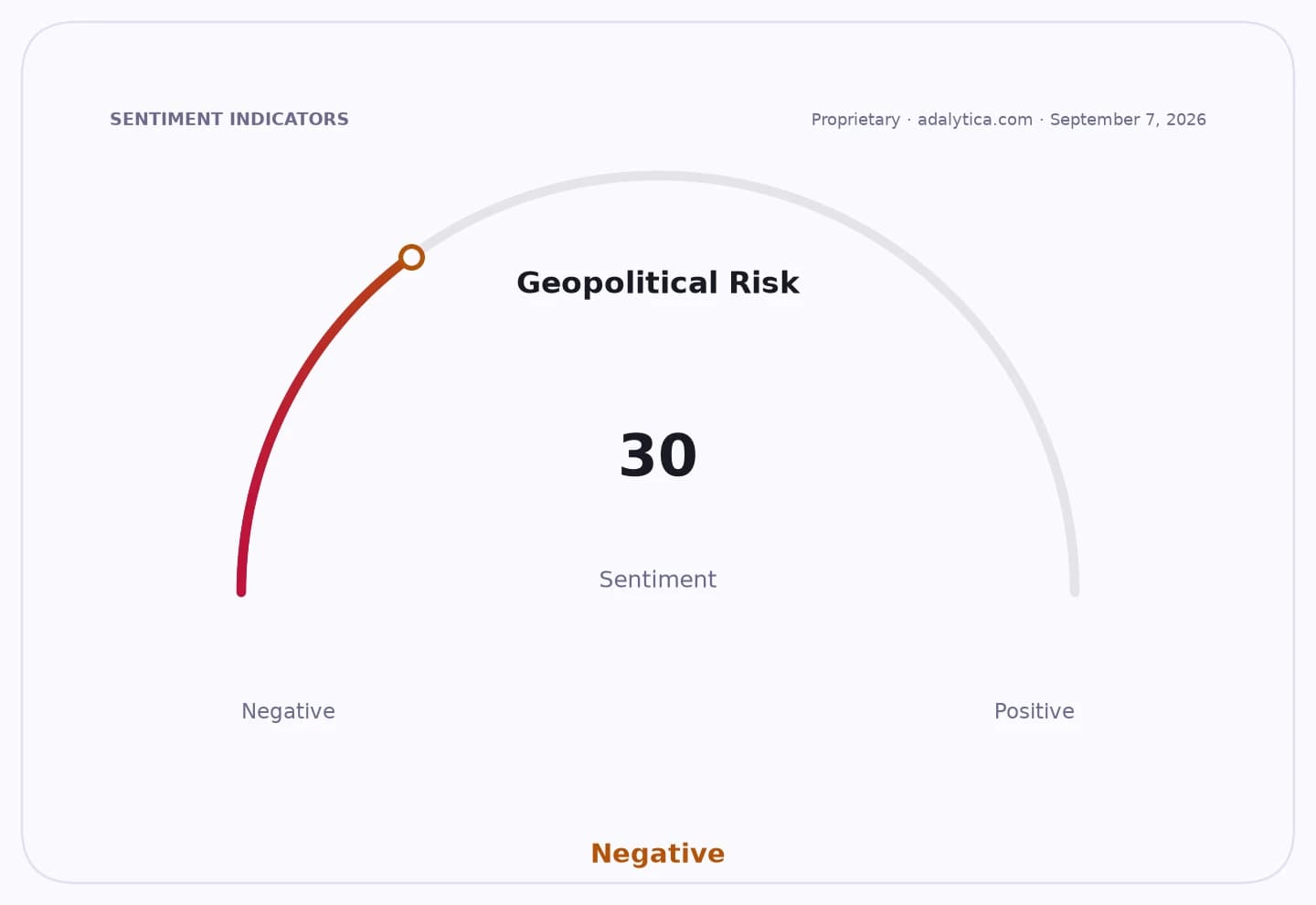
Sentiment IndicatorsⓘProprietary · adalytica.com · September 1, 2026
This is a snapshot — live sentiment, awareness and momentum for 130+ markets update continuously in the dashboard.Open AlphaPulse

A move toward the pipeline would come against a backdrop of still-elevated crude prices and firm risk appetite in energy assets. Brent’s U.S. peer WTI has been trading around the low-$80s a barrel, while the energy sector has outperformed more defensive credit signals: the high-yield spread has narrowed to about 2.6 percentage points, suggesting markets are not currently pricing a broad credit stress event. At the same time, the 10-year Treasury yield is near 4.7%, keeping financing costs elevated for large, capital-intensive infrastructure.
That matters for Russia because a binding deal would help anchor long-term gas exports to the east after Europe’s structural cutback in Russian energy purchases. It also matters for China, which has been diversifying supply routes and looking for more bargaining power with LNG sellers after a period of volatile global pricing. A new Russian pipeline could strengthen Beijing’s leverage in gas negotiations, but it would also increase exposure to a sanctioned counterpart and a route that could be vulnerable to political pressure.
Energy equities have already reflected the broader tightness in commodities. The XLE energy ETF has climbed to about $64, above both its 50-day and 200-day moving averages, while Occidental Petroleum has risen to roughly $60 and United States Natural Gas Fund to about $10.54. That combination suggests investors are still willing to pay for supply-side optionality, even as some gas-specific momentum has cooled. UNG’s RSI has eased from overbought levels earlier in the year to the mid-60s, indicating enthusiasm has moderated but not disappeared.
The longer-term bull case for Power of Siberia-2 is straightforward: it would lock in demand for Russian gas, give China another source of energy security and support downstream industrial users if prices are competitive with LNG. The bear case is that economics remain uncertain. Construction costs would be large, demand growth in China is not guaranteed to justify a new import artery, and any deal would have to navigate sanctions, pricing disputes and the risk that Beijing prefers more flexible seaborne LNG supply.
Adalytica’s China CCP Policy Direction Sentiment gauge shows extreme fear, underscoring how cautious policymakers may be around any agreement that materially deepens strategic dependence on Moscow. By contrast, the Global Stability Sentiment gauge sits in greed territory, suggesting markets are still comfortable with geopolitical risk in aggregate even as the specific China-Russia energy link remains under scrutiny.
For investors, the key question is whether the latest assessment becomes a genuine procurement and pricing breakthrough or stays another sign of strategic intent without final economics. Any concrete progress would be negative for some LNG exporters and supportive for Russian gas infrastructure interests, while nudging energy markets to reprice Asia’s long-term gas balance.
| Entity | Gains | Losses |
|---|---|---|
| Russia | ▲Secured gas outlet | ▼Europe dependence |
| China | ▲Supply security | ▼Sanctions exposure |
| LNG exporters | ▲Higher demand if no deal | ▼Price pressure if deal advances |
| Energy investors | ▲Trading opportunity | ▼Geopolitical uncertainty |