China’s rare earth suppliers are halting some shipments to the U.S. even when they hold export licenses, a sign that geopolitical pressure is now disrupting trade flows before policy changes can be fully priced in.
China rare earth suppliers halt some U.S. shipments
The stoppages matter because rare earths sit inside a wide range of high-value manufacturing, from electric vehicles and wind turbines to defense systems and consumer electronics. When Chinese producers begin refusing cargoes out of fear of retaliation from Beijing, the issue stops being a licensing problem and becomes a supply-chain risk for U.S. industry, with potentially broader knock-on effects for prices, inventory planning and production schedules.
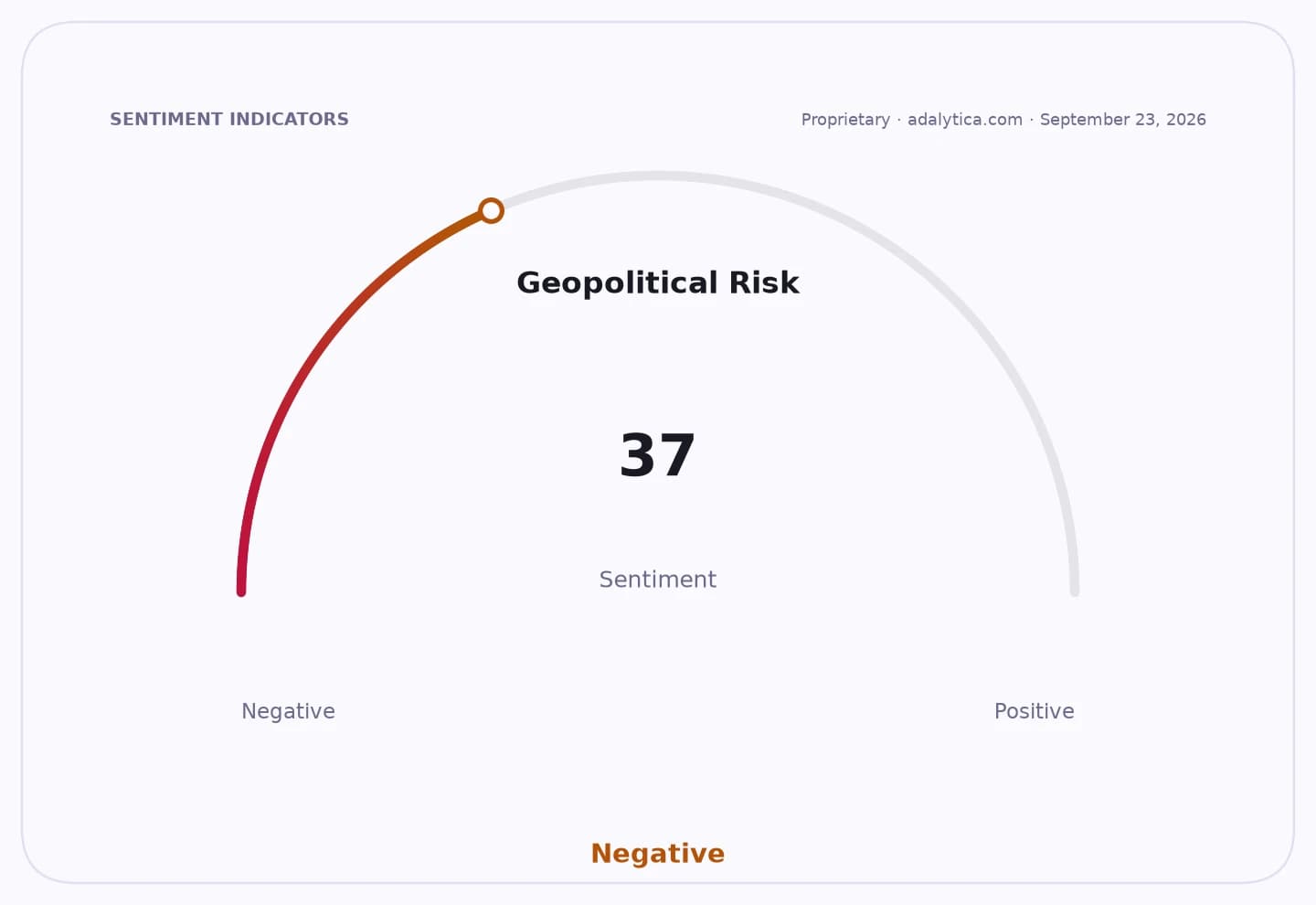
Sentiment IndicatorsⓘProprietary · adalytica.com · September 6, 2026
This is a snapshot — live sentiment, awareness and momentum for 130+ markets update continuously in the dashboard.Open AlphaPulse
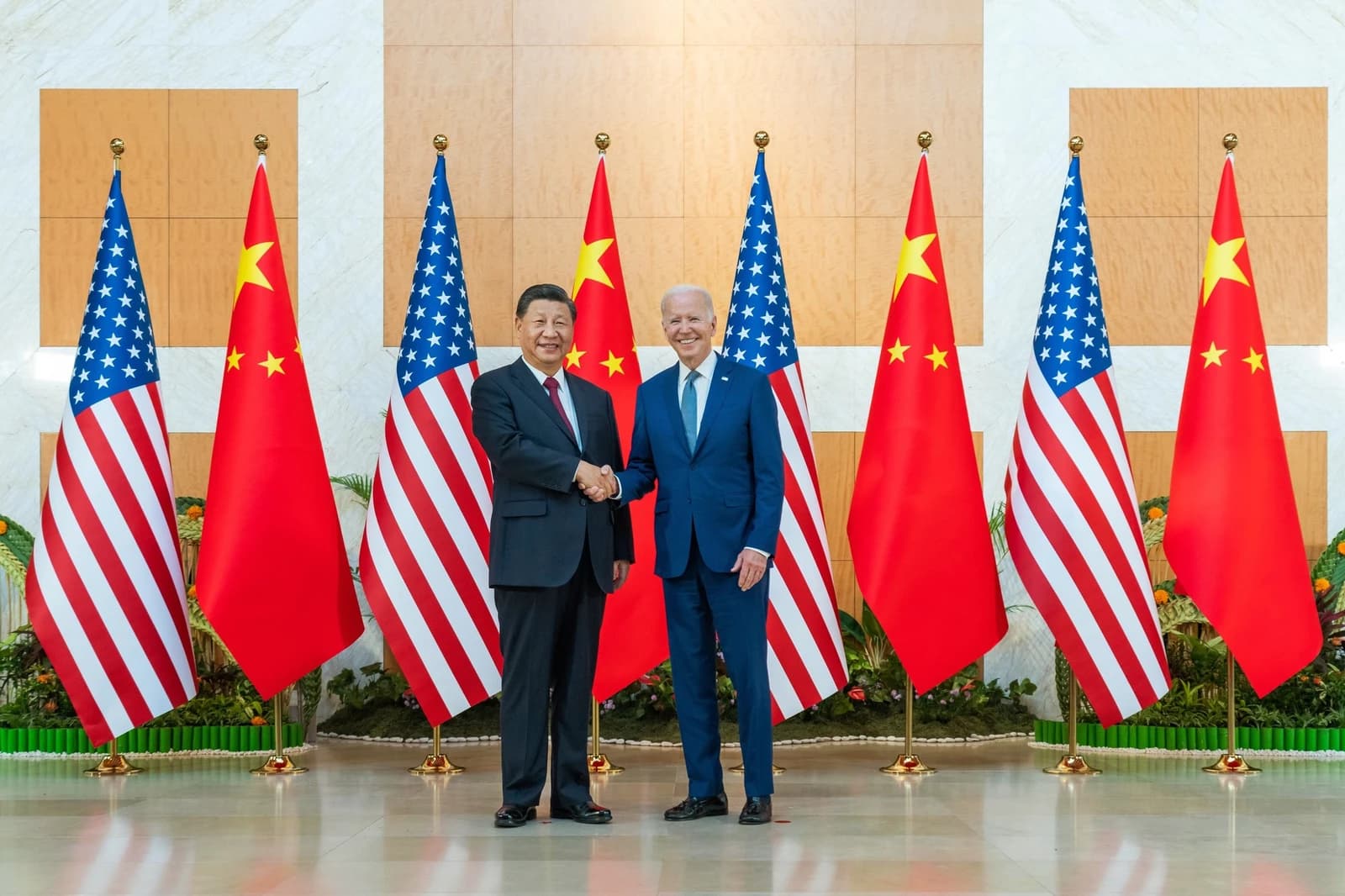
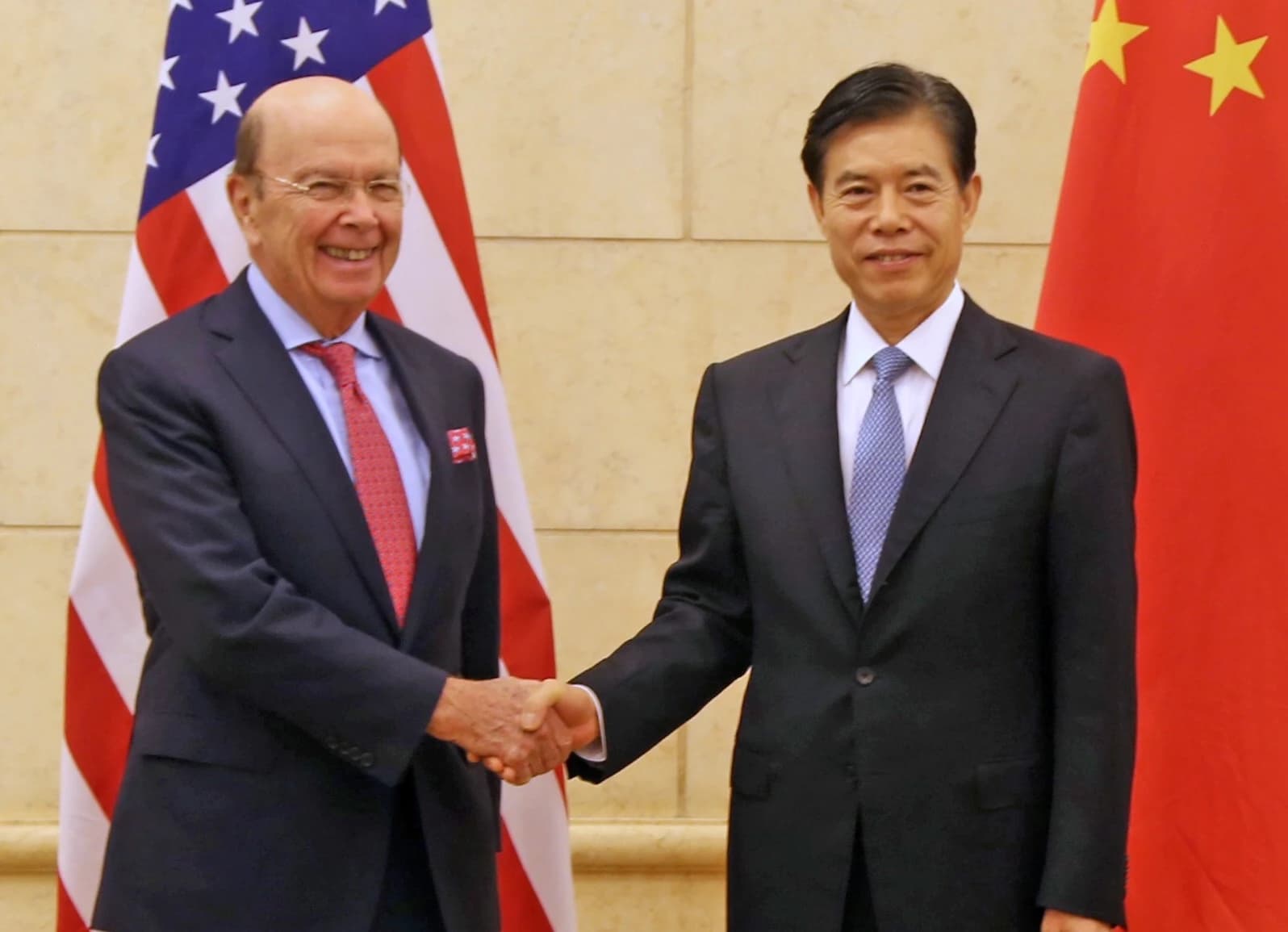
Reuters reported that some Chinese suppliers are declining to ship to the United States for fear of reprisals, despite having the paperwork needed to do so. The decision underscores how Beijing’s tighter control over critical minerals has created a chilling effect that can be as disruptive as formal export bans. It also lands weeks before President Xi Jinping is expected to visit Washington, sharpening the diplomatic stakes around a material that both sides have already turned into leverage.
For investors, the immediate implication is that scarcity premiums can persist even when official trade channels remain open. U.S. buyers may need to lock in inventory earlier, pay up for non-Chinese supply, or absorb delays that squeeze margins. Companies in the downstream magnet, electric-vehicle and semiconductor supply chains are most exposed, while miners and processors outside China stand to benefit from any urgency to diversify sourcing.
Geopolitical Risk vs MPadalytica.com
Explore this data interactively — full history, time series and cross-market comparisons.Open AlphaPulse
The episode also reinforces the market case for companies building ex-China rare earth capacity. MP Materials, which has become a proxy for U.S. efforts to rebuild domestic supply, has seen its shares swing violently this year as traders alternated between enthusiasm for strategic policy support and concern over execution risk. The stock, last around $54.53, remains well above its 50-day moving average of $51.38, though the recent pullback from higher levels shows how quickly the trade can reverse when policy headlines cool.
By contrast, smaller developers such as REEMF remain more dependent on policy follow-through and long-dated project financing. Its shares, at 92 cents, are still trading above the 50-day average of 68 cents, but the move comes with the kind of volatility that reflects a market trying to discount both strategic value and funding risk. As China’s export controls tighten, those names can benefit from a stronger narrative, but not yet from a fully de-risked business model.
The broader backdrop is one of persistent strategic competition rather than a one-off trade flare-up. Beijing has steadily expanded controls on rare earths and related materials, while Washington has responded with tariffs, supply-chain incentives and stockpiling efforts. That means any interruption in shipments can ripple beyond the immediate transaction, forcing importers, manufacturers and policymakers to reassess how much of the critical-minerals chain remains vulnerable to Chinese approval.
The next catalyst is whether the diplomatic channel can reduce the risk premium or whether the stoppages spread to more materials and more customers. If that happens, U.S. buyers may accelerate alternative sourcing and domestic processing investments, while Chinese suppliers risk losing market share that could prove difficult to win back once procurement teams rewire their supply chains.
| Entity | Gains | Losses |
|---|---|---|
| U.S. rare earth buyers | ▲Supply diversification push | ▼Near-term shipment delays |
| Chinese suppliers | ▲Leverage in trade talks | ▼Lost U.S. business |
| MP Materials | ▲Strategic supply-chain demand | ▼Volatility from policy swings |
| REEMF and peers | ▲Higher investor attention | ▼Funding and execution pressure |