Interest in learning Russian is rising steadily across China, a sign that the widening economic and diplomatic relationship with Moscow is creating more demand for translators, teachers and other language specialists.
China Universities Expand Russian Language Programs
A Russian consular representative said Russian is now taught as an elective in 185 Chinese universities, with more than 400 institutions offering it as a required subject, while over 300 schools have added it to their curricula. On the Russian side, more than 360 educational institutions now teach Chinese, underscoring a broader push for bilateral language training.
That matters economically because language infrastructure is often one of the first bottlenecks in trade, investment and services growth. As China and Russia expand practical cooperation, businesses, universities and government agencies need more people who can negotiate contracts, handle logistics, translate technical documents and support cross-border commerce.
The trend also reflects how geopolitical realignment is filtering into labor markets. When two countries deepen ties, demand does not stop at energy, commodities or payments systems; it extends to education, tourism, media and professional services, where bilingual workers become a scarce asset.
For investors, the story is less about immediate market impact than about the durability of China-Russia engagement. A larger pool of Russian-speaking talent in China can smooth commercial links in sectors exposed to the bilateral relationship, while also reinforcing the longer-term strategic partnership between Beijing and Moscow.
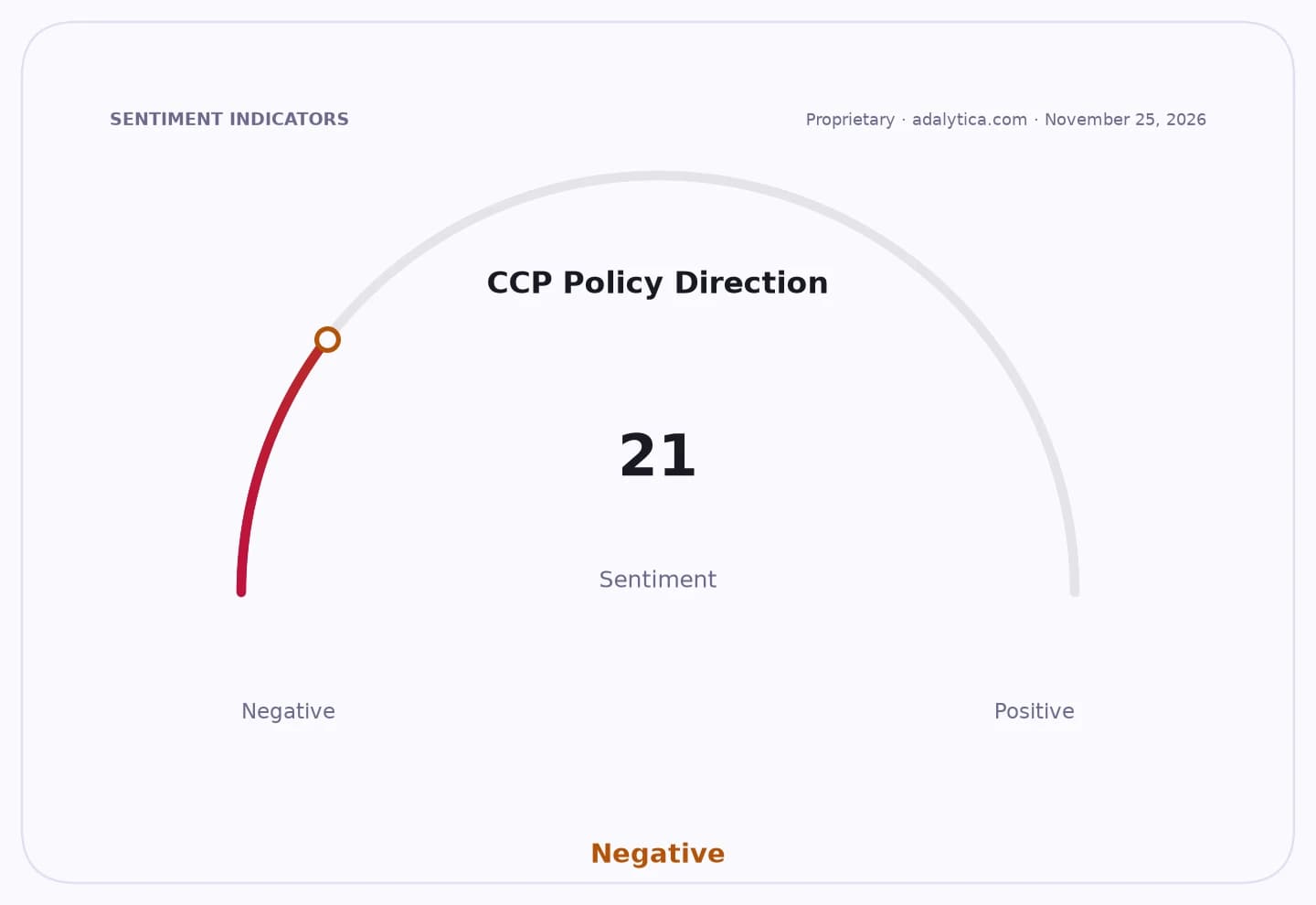
China-related ETFs have been mixed, with the iShares MSCI China ETF slipping to $51.07 on Nov. 10, below its 50-day moving average of $51.87 and under the 200-day average of $55.14, while the Direxion Daily FTSE China Bull 3X Shares ETF closed at $25.10, still above its 50-day average of $24.90 but well below the 200-day average of $30.18. The technical backdrop points to cautious sentiment even as headline-level bilateral ties remain active.
The next catalyst is whether the language trend translates into more formal academic programs, exchange schemes and corporate hiring across China-Russia trade channels.
| Entity | Gains | Losses |
|---|---|---|
| Chinese universities and schools | ▲Higher demand for Russian courses | ▼More staffing pressure |
| Russian-language specialists in China | ▲More job opportunities | ▼Tight talent supply |
| China-Russia trade links | ▲Easier communication | ▼Fewer translation bottlenecks |
| Investors in China-linked ETFs | ▲Potential support from deeper ties | ▼Policy and geopolitics risk |