China’s high-tech industries drew 252.83 billion yuan of foreign direct investment in the first 10 months of 2026, a 31.3% increase that shows overseas capital is still willing to lean into Beijing’s push to build more advanced manufacturing and innovation capacity.
China High-Tech FDI Rose 31.3% in First 10 Months
The outperformance matters because it came even as overall actual FDI in China fell 2.4% to 606.93 billion yuan and the number of newly formed foreign-invested companies slipped 1.7% to 52,853. In other words, foreign capital is becoming more selective, but the money that does arrive is increasingly aimed at technology-heavy sectors rather than broad-based expansion.
Sentiment Indicators

High-tech investment accounted for 41.7% of total actual FDI, up 10.7 percentage points from a year earlier, according to the commerce ministry. That shift is important for China’s economy because it supports the country’s effort to move up the value chain, deepen domestic supply chains and reduce reliance on lower-end industrial activity.
The strongest gains were in aerospace and equipment manufacturing, up 128.8%, commercialization services for sci-tech achievements, up 73.3%, and electronic and telecom equipment manufacturing, up 35.7%. Those are precisely the areas where foreign capital can help accelerate R&D, industrial upgrading and productivity gains.
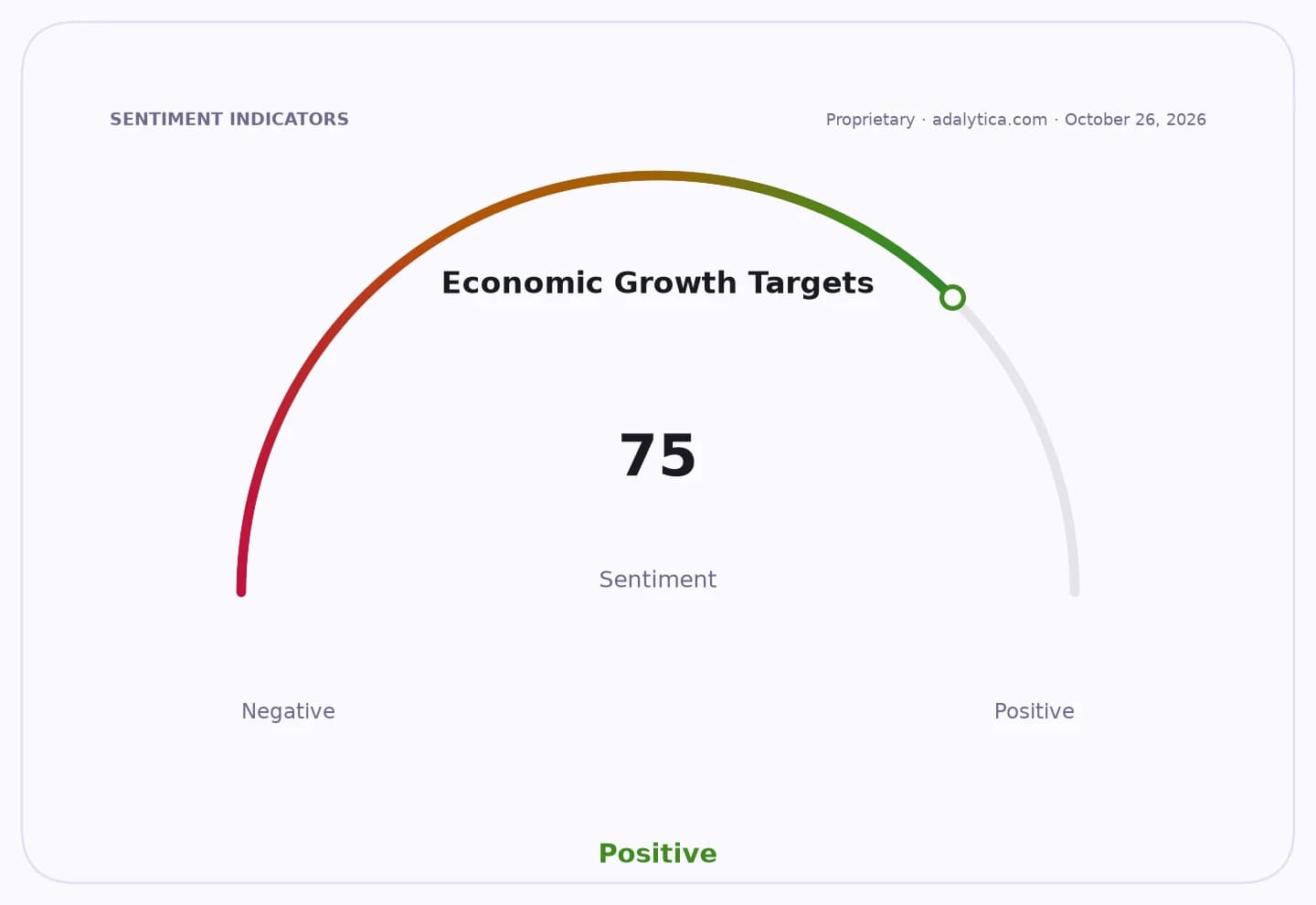
Economic Growth Targets
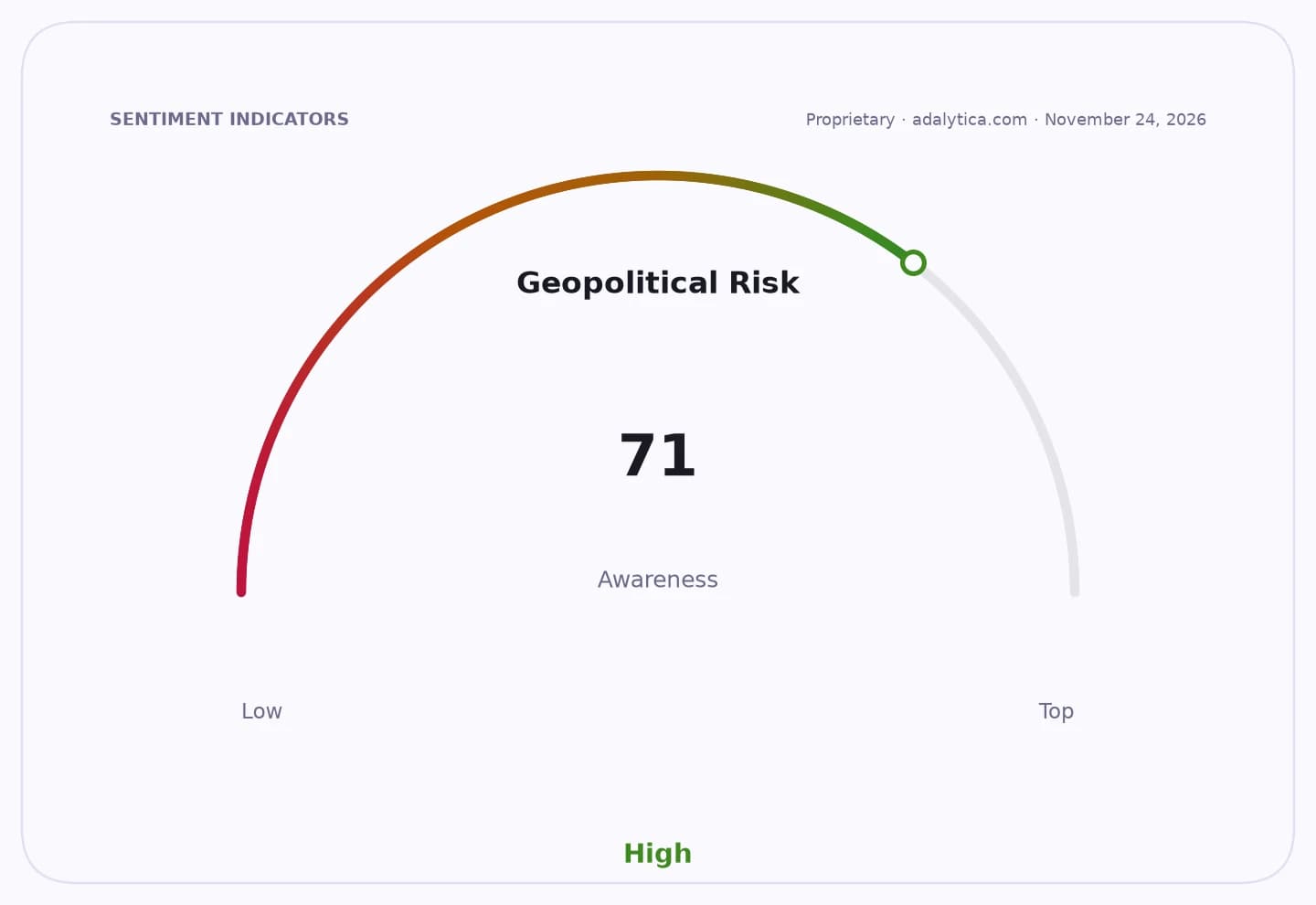
The data also suggest China remains a critical destination for multinational companies building out research and development networks, even as geopolitical tensions and slower growth in parts of the broader economy keep some investors cautious. FDI from Canada, France, Switzerland and the United States rose 105.7%, 35.1%, 23.5% and 9.6%, respectively, though the ministry said investment via free ports was included in those calculations.
For investors, the numbers reinforce a split in China’s market story: capital is still flowing toward firms tied to high-end manufacturing, semiconductors, telecom equipment and industrial automation, while broader sentiment toward China remains more mixed. That dynamic can support selected Chinese equities and suppliers, but it also implies the recovery in foreign inflows is uneven and still vulnerable to policy, trade and growth risks.
The latest figures come as China continues to promote itself as a hub for advanced industry and innovation, and as foreign multinationals expand local R&D capabilities to tap the country’s engineering talent and supply-chain depth. The next test will be whether the high-tech inflow trend broadens beyond a few favored sectors and holds up if global growth slows or trade friction intensifies.
| Entity | Gains | Losses |
|---|---|---|
| China high-tech sector | ▲More foreign capital | ▼Less capital for lower-end sectors |
| Multinational investors | ▲Access to R&D base | ▼Exposure to policy/geopolitical risk |
| Aerospace, telecom equipment, sci-tech services | ▲Faster funding inflows | ▼Smaller share for broader economy |
| Broad FDI inflows in China | ▲Selective resilience | ▼Overall deal volume, still down |