China’s installed solar capacity has overtaken coal power for the first time, a milestone that underscores how quickly the world’s biggest emitter is reshaping its electricity system and the investment case around clean energy.
China solar capacity tops coal power
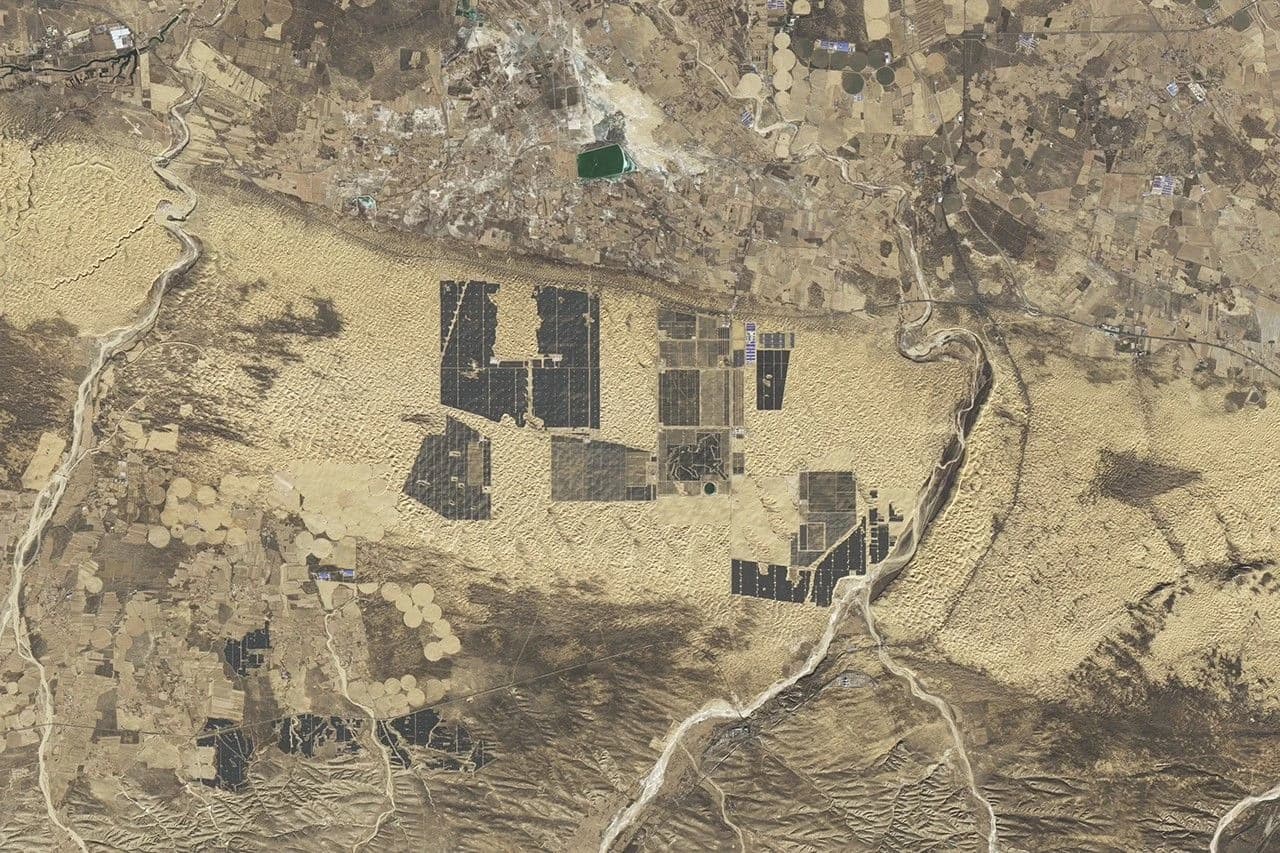
The shift matters far beyond a symbolic headline. China is adding renewable capacity at a pace that is beginning to alter the economics of generation, support energy security, and change demand expectations for coal, oil and the industrial supply chain tied to power equipment. It also reinforces the global center of gravity in solar manufacturing, with China already producing eight of every 10 photovoltaic modules worldwide.
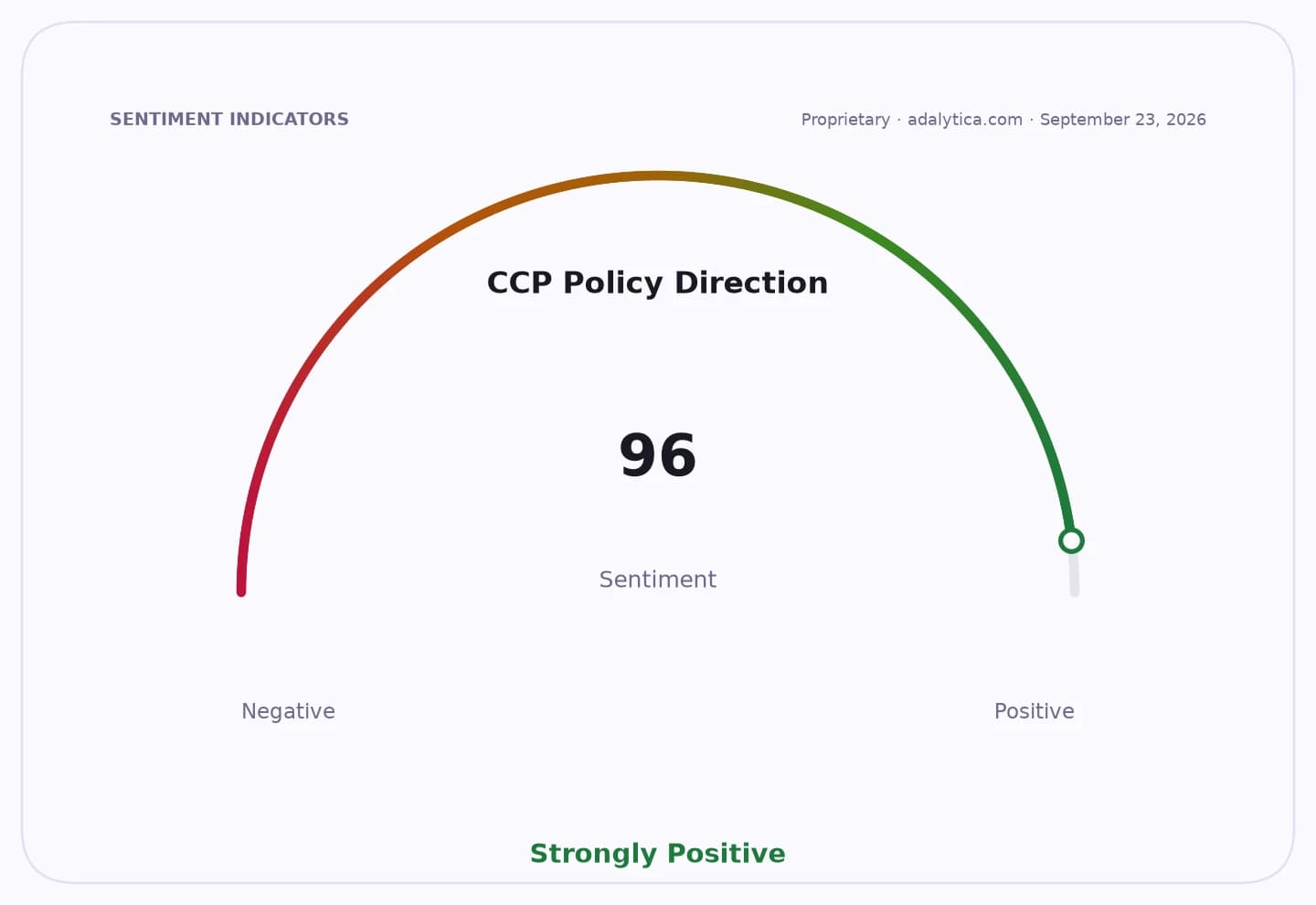
Sentiment IndicatorsⓘProprietary · adalytica.com · September 6, 2026
This is a snapshot — live sentiment, awareness and momentum for 130+ markets update continuously in the dashboard.Open AlphaPulse
By the end of July, China’s installed photovoltaic capacity reached 1.286 billion kilowatts, or 31.5% of total power capacity, according to the National Energy Administration. Solar plants generated more than 802.4 billion kilowatt-hours in the first seven months of the year, up 15.5% from a year earlier. That growth is now large enough to push solar past coal on an installed-capacity basis, even if coal remains an important source of dispatchable power and backup for the grid.
For Beijing, the economics are straightforward. Solar is one of the cheapest new sources of electricity to deploy, can be built quickly and reduces exposure to imported fuel prices. That is especially valuable as China seeks to strengthen energy security while sustaining growth. The state-backed expansion also fits the country’s industrial policy: it supports domestic manufacturers, deepens supply-chain dominance and gives Beijing another lever in the contest over clean-tech leadership.
Investors will read the update in two ways. The bull case is that continued buildout should sustain demand for panels, inverters, tracking systems, grid equipment and storage, even as pricing remains highly competitive. The bearish view is that the sheer scale of Chinese capacity additions may intensify margin pressure across the global solar value chain, especially for developers and suppliers already dealing with oversupply, tariff risk and policy uncertainty in overseas markets.
The listed solar trade reflected some of that tension in recent sessions. Invesco Solar ETF TAN has traded below its 50-day moving average and under its 200-day average, while its relative strength index has drifted into oversold territory, suggesting investors remain cautious even as the long-term structural story improves. First Solar and other U.S. solar names have also had to navigate volatile expectations around subsidies, trade restrictions and project economics.
The broader implication is that China’s power mix is changing in a way that could eventually cap coal’s role in incremental demand growth, even if the fuel remains central to grid reliability for now. A planned wave of more than 2 trillion yuan in solar investment over the next five years would deepen that transition, but it will also test the grid’s ability to absorb intermittent output and the market’s ability to monetize all that installed capacity.
For investors, the key question is no longer whether solar is becoming a structural pillar of China’s energy system. It is whether the scale of that expansion translates into durable profits for manufacturers, developers and grid-linked suppliers, or whether it accelerates the same pricing pressure that has repeatedly punished the sector.
| Entity | Gains | Losses |
|---|---|---|
| China solar manufacturers | ▲Higher domestic demand | ▼Pricing pressure from oversupply |
| Coal producers | ▲Grid backup role | ▼Long-term share of power mix |
| Solar equipment suppliers | ▲More installations | ▼Margin compression |
| Investors in solar ETFs | ▲Structural growth theme | ▼Short-term volatility |