Scheduled airline service between mainland China and Taiwan has resumed for the first time in nearly 60 years, a symbolic breakthrough that could steadily widen trade, tourism and business links across one of Asia’s most politically sensitive flashpoints.
China Southern Resumes Taipei Shenzhen Flights

A China Southern Airlines Boeing 737 landed at Taipei Songshan Airport on Sunday after departing Shenzhen, marking the first scheduled commercial flight between the two sides since the Chinese civil war split them in 1949. Taiwan’s Civil Aeronautics Administration said the return flight left Taipei the next morning, underscoring that what had long been a political impossibility is now becoming a commercial route.
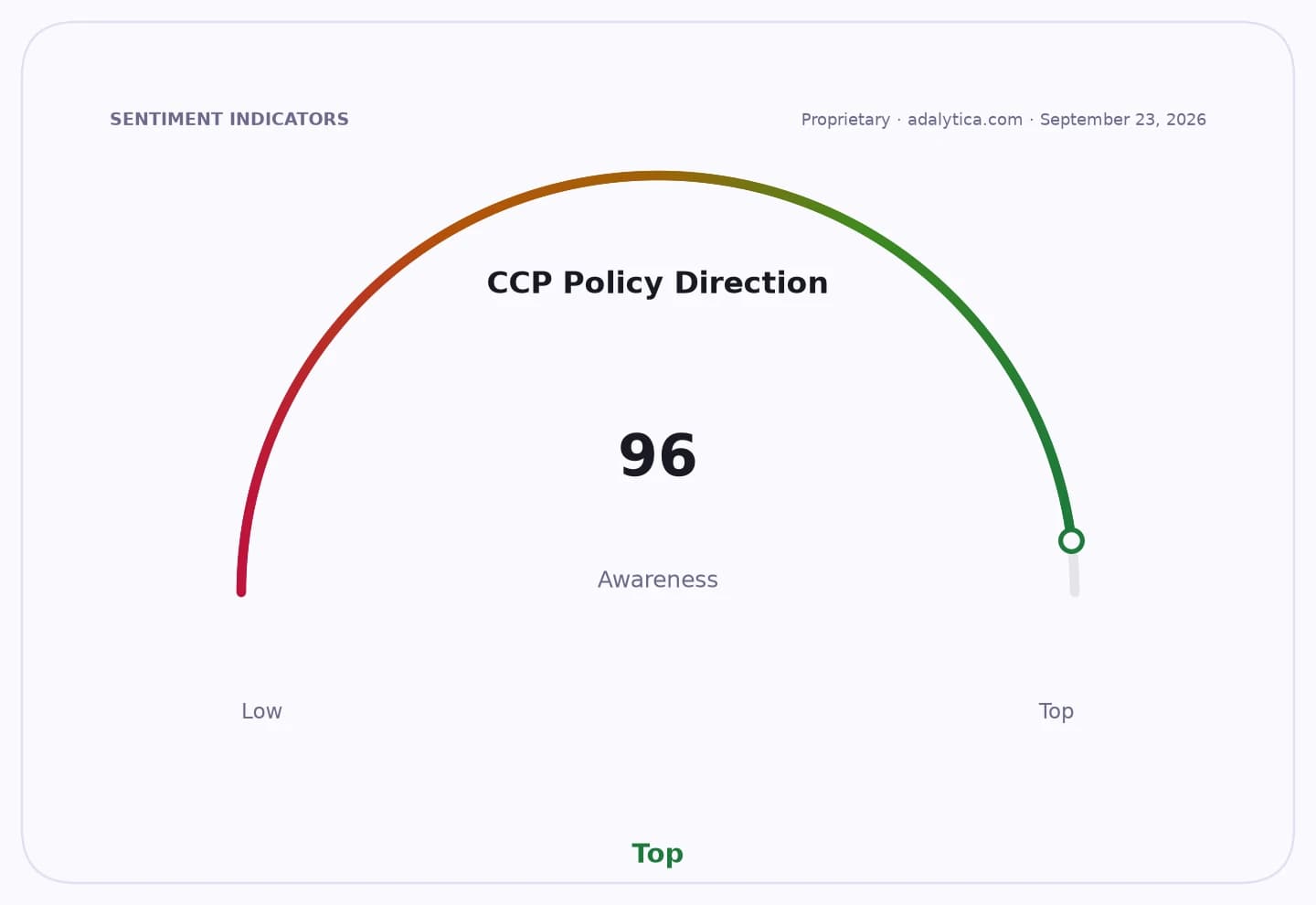
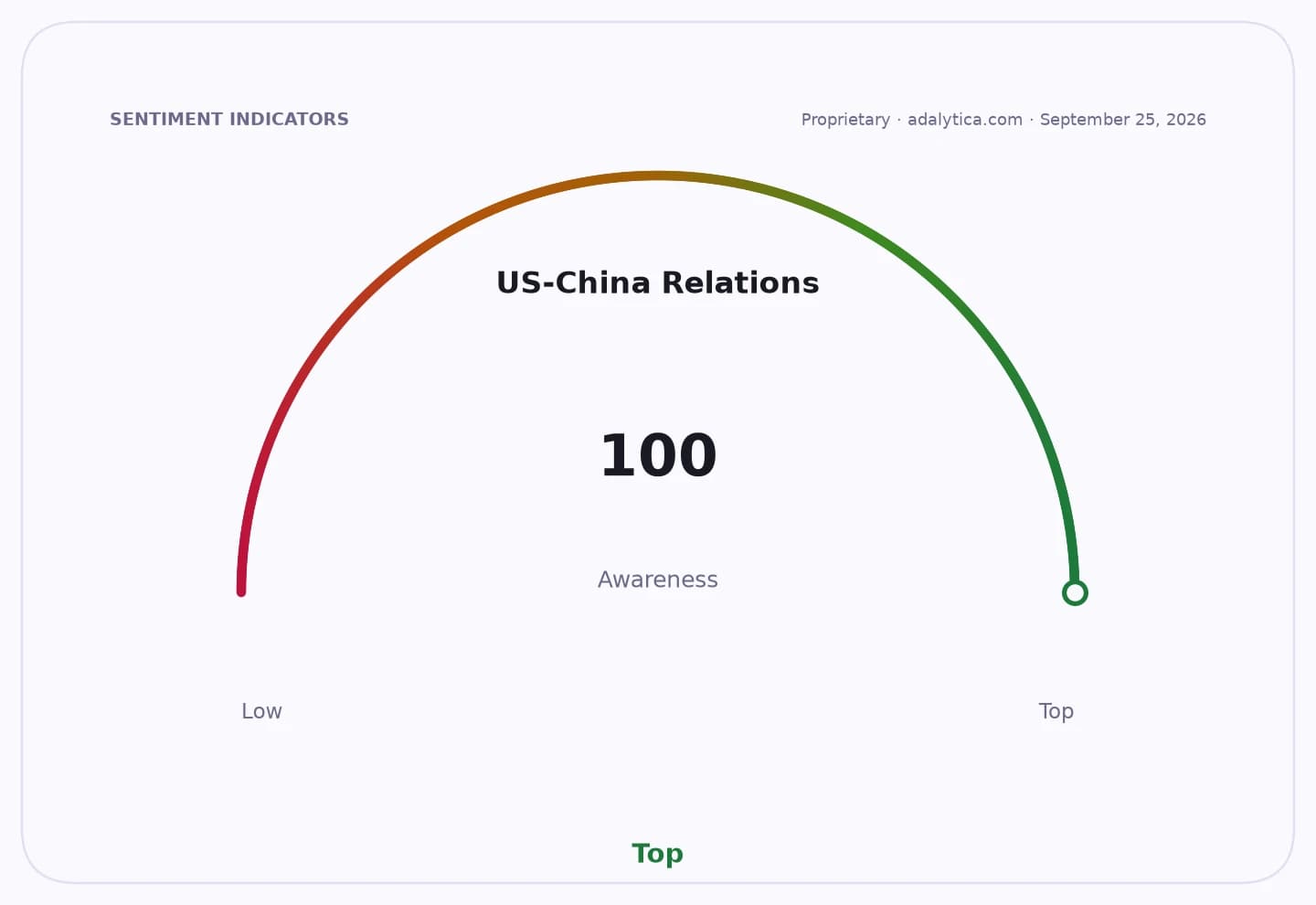
Sentiment IndicatorsⓘProprietary · adalytica.com · September 13, 2026
This is a snapshot — live sentiment, awareness and momentum for 130+ markets update continuously in the dashboard.Open AlphaPulse
The significance goes beyond aviation. Regular cross-strait flights lower transaction costs for companies with supply chains, manufacturing networks and customer bases split across the Taiwan Strait. For exporters, importers and service firms, the move promises faster travel, easier coordination and a gradual expansion in business traffic. It also points to a broader easing in commercial restrictions, with similar ceremonies held at seaports and plans reported for as many as 16 daily flights to or from Taiwan.
Markets have little direct pricing data tied to the opening of the route, but the political signal is clear: Beijing and Taipei are testing whether incremental economic integration can proceed even as sovereignty remains unresolved. That matters because trade liberalization can deepen interdependence without settling the core dispute, potentially reducing near-term friction while leaving the strategic risks intact.
For China Southern Airlines, the route adds a politically important service with potential passenger demand from business travelers, families and tourists if capacity expands as planned. For Taiwan, greater air connectivity may support the island’s services sector and outbound travel, though it also increases exposure to the mainland market and to policy shifts from either side. Investors in airlines and Taiwan-linked transport and tourism plays will be watching whether the opening remains a one-off ceremony or develops into a durable schedule.
The near-term bull case is that cross-strait transport becomes a modest but real catalyst for aviation, hotels and retail spending, especially if charter flights evolve into routine service. The bear case is that the diplomatic thaw remains limited, with any military or political flare-up quickly reversing demand and interrupting schedules. For now, the first scheduled flight is less a resolution than a reminder that commerce can advance where politics cannot.
| Entity | Gains | Losses |
|---|---|---|
| China Southern Airlines | ▲New cross-strait route | ▼Political exposure |
| Taiwan exporters and tourism firms | ▲Easier travel and trade | ▼Greater mainland dependence |
| Mainland China businesses | ▲Lower travel costs | ▼Limited if tensions return |
| Geopolitical hardliners | ▲None | ▼Loss of leverage through commerce |