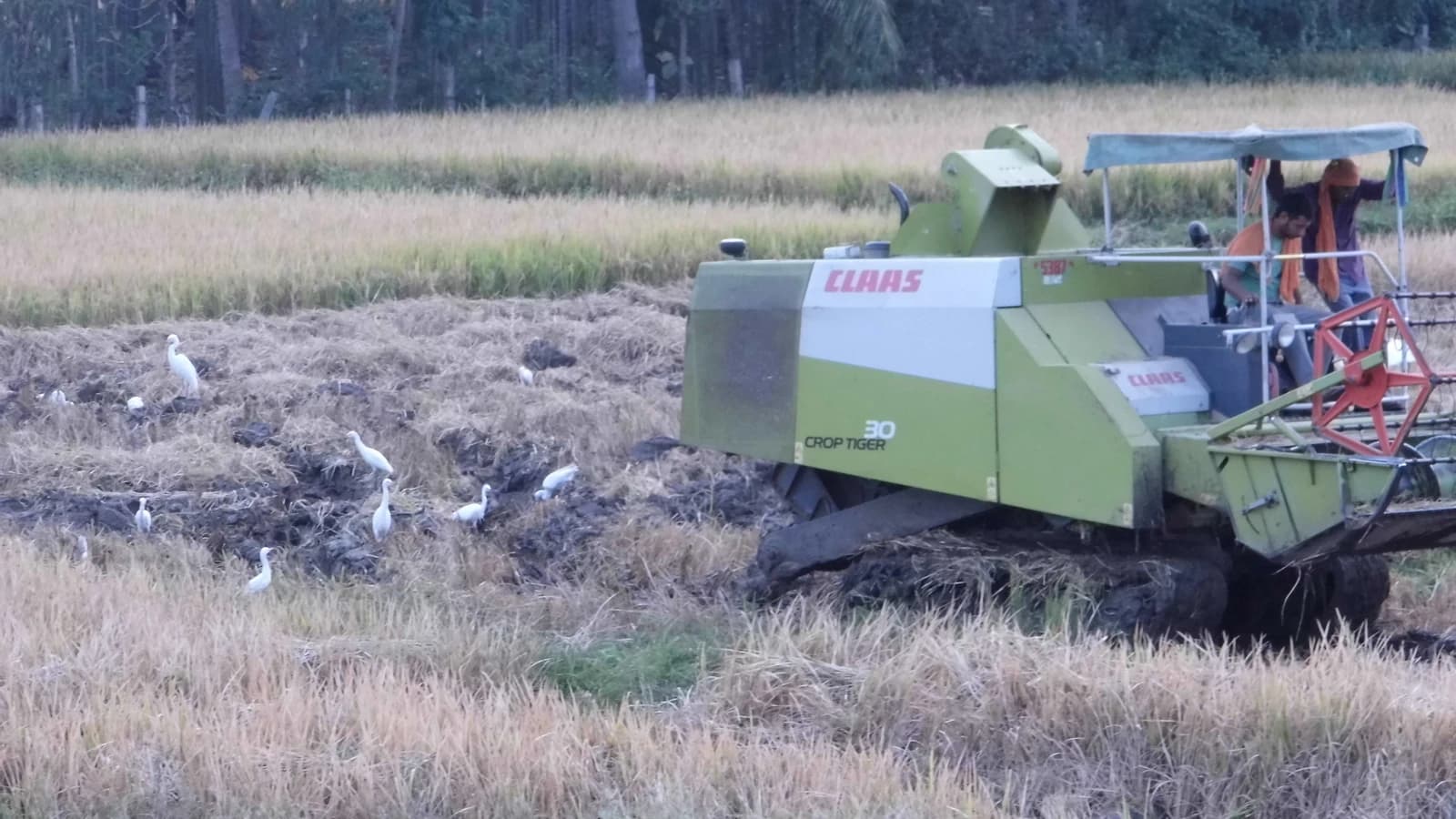
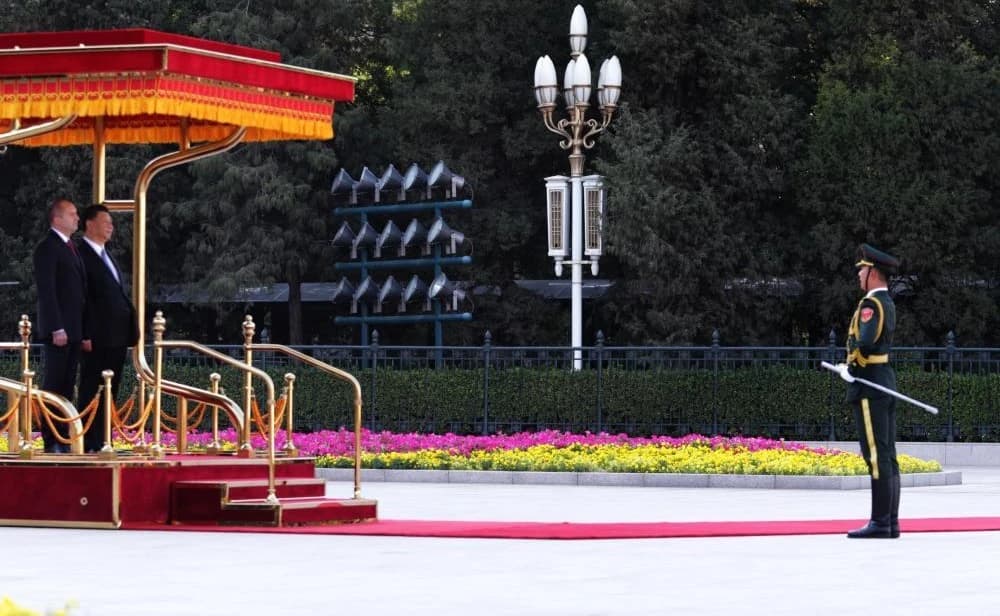
China’s soybean crushers are heading into a costly fourth quarter just as President Xi Jinping prepares for a possible U.S. trip, and the market’s next move may hinge on whether Beijing eases tariffs on American beans.
China soybean crushers face Q4 margin squeeze
That matters because the squeeze is not just a margin story for processors. It is a test of China’s ability to keep its massive feed-and-oil complex supplied at workable prices while Brazil’s export season winds down and U.S. cargoes remain largely shut out by a 10% tariff. If Beijing blinks, U.S. farmers, exporters and Chicago soybean futures get a lift. If it does not, Chinese crushers may be forced to lean more heavily on state reserves or accept deeper losses.
Sentiment IndicatorsⓘProprietary · adalytica.com · September 7, 2026
This is a snapshot — live sentiment, awareness and momentum for 130+ markets update continuously in the dashboard.Open AlphaPulse
The economics are already deteriorating. Benchmark U.S. soybean futures have climbed nearly 12% from June lows, and even before tariffs, October-to-January imports of U.S. beans would still leave theoretical crush margins in the red by 150 to 230 yuan, or about $22 to $34, per ton, according to analysts and traders. That leaves private crushers squeezed between higher import costs and weak demand from feed makers as China’s pig herd shrinks.
The timing is especially awkward. China has largely covered October needs and has booked about 4.8 million tons for November, or roughly 60% of expected demand, but buying for December and January has barely started. South American supply is thinning, Brazil has limited room to boost shipments, and Argentina’s contribution is not enough to fully cushion the gap. In other words, the market is running out of easy substitutes just as crushers need them most.
That is why traders are watching Washington so closely. U.S. Trade Representative Jamieson Greer said both countries would make announcements on agriculture and non-tariff barriers during the summit, raising hopes that soybeans could be part of the package. State-owned Chinese buyers already snapped up about 11 million tons of U.S. soybeans after Xi’s May meeting with Donald Trump, showing Beijing can open the tap when politics demand it. Private crushers, however, have stayed away because the tariff still makes the economics unattractive.
For investors, this is where the asymmetry lies. A tariff cut or reserve auction would favor U.S. soybean exporters, Chicago Board of Trade-linked grain traders, freight markets and potentially broader agricultural sentiment. A prolonged stalemate would keep pressure on Chinese crushers, support demand for Brazilian supply where available, and leave corn and feed substitutes in focus as feed demand weakens. The market underestimates how quickly policy can change the trade flow and reset margins.
The best setup now is for volatility, not complacency. Soybean futures have already started to price in tighter supply, and any concrete progress from the Xi-Trump diplomacy could trigger another leg higher in U.S. beans and related ag stocks. But without tariff relief, China’s private processors face a quarter of negative margins, scarce fourth-quarter supply and more dependence on state intervention.
For investors, the takeaway is simple: watch soybean futures, Chinese policy headlines and U.S.-China agriculture diplomacy as one trade. The winners will be the exporters and logistics players that get access to China first; the losers are the crushers forced to buy high and process low.
| Entity | Gains | Losses |
|---|---|---|
| U.S. soybean exporters | ▲Tariff relief upside | ▼Lost Chinese demand if no deal |
| Chinese private crushers | ▲Lower input costs if tariffs cut | ▼Negative crush margins |
| Brazilian exporters | ▲Near-term China demand | ▼Weaker pricing power |
| Chicago soybean futures | ▲Trade-deal rally potential | ▼Demand disappointment |