China’s tighter soybean import flow is rippling straight into consumer food supply, and that matters because it turns a trade and commodity story into a margin and inflation story for processors, retailers and plant-based food makers.
China soybean import squeeze hits food supply
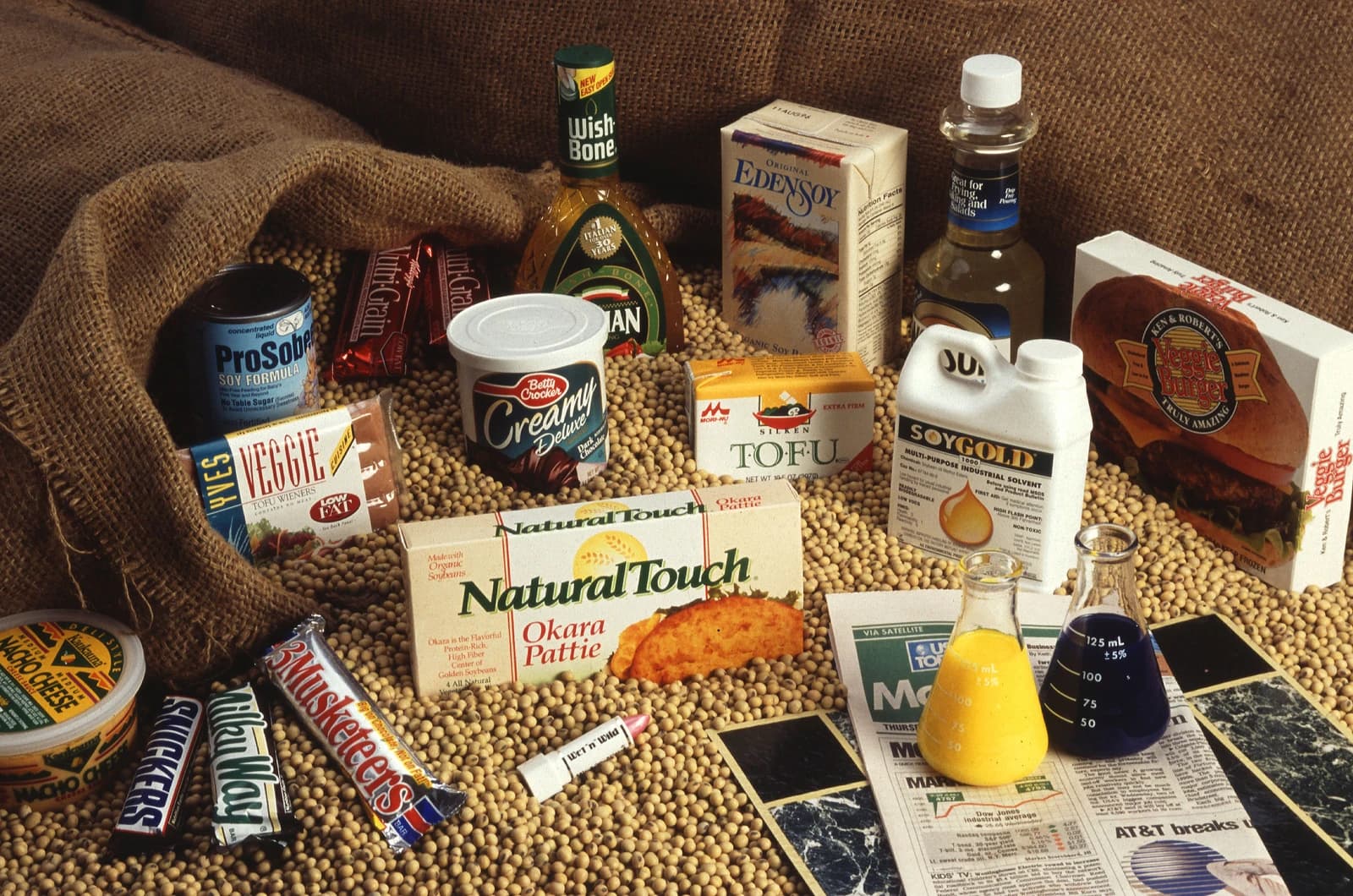
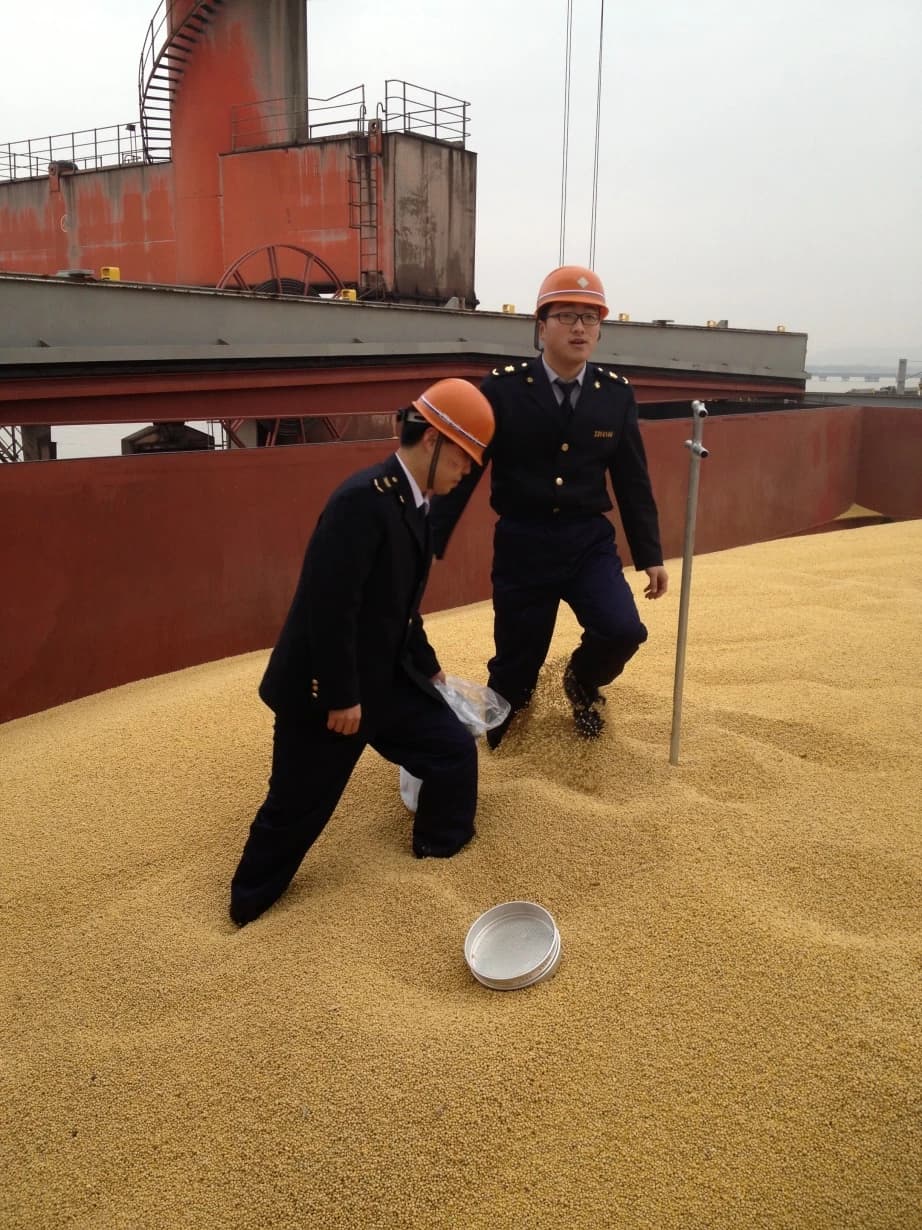
The warning from Core that tofu and tempeh supplies could be disrupted is the clearest sign yet that the squeeze is not confined to futures prices. Soybeans are the essential input for a broad swath of food manufacturing, and when import channels tighten, the shock moves quickly through crushing, meal and oil markets before reaching supermarket shelves and restaurant supply chains.
Sentiment Indicators
The timing is especially sensitive because the macro backdrop is already leaning inflationary. U.S. consumer prices remain elevated, with the CPI running at 337.476 in October, up from 333.979 in May, while producer prices have pushed to 293.921 from 290.281 over the same period. That combination leaves food makers with less room to absorb higher input costs, especially if soybean-derived ingredients get scarce at the same time energy and freight remain volatile.
Soybeans themselves have already been trading like a market under stress. The SOYB exchange-traded fund fell to 25.8 on Nov. 23 after touching 28.14 in September, but it remains well above the 50-day moving average and the 200-day average, even as the relative strength index has cooled from overbought levels and the MACD has turned negative. That pattern suggests a market that has paused, not a market that has resolved the supply problem.
The fundamental pressure is broader than one product line. Big grain and oilseed traders have already pointed to dislocations tied to geopolitics, biofuel demand and tighter supply chains, while food companies have been flagging higher commodity and freight costs in recent filings. When soybeans get harder to source, the winners are crushers, traders and growers with inventory; the losers are processors that rely on steady imports, especially smaller producers of tofu and tempeh that lack pricing power.
For investors, the trade is not simply to chase higher soybean prices. The more durable opportunity is in the toll collectors around the chain: agricultural traders, crush capacity, logistics and packaging firms, and selected food brands with strong pricing leverage. If import restrictions or supply bottlenecks persist, the market may be underestimating how quickly this feeds into food inflation, especially in Asia’s consumer staples complex.
The next catalyst is whether the import squeeze proves temporary or turns into a more structural supply reset. If the latter, this becomes a secular setup for commodity beneficiaries and a margin headwind for downstream food makers that depend on cheap, reliable soybean flows.
| Entity | Gains | Losses |
|---|---|---|
| Soybean growers | ▲Higher realized prices | ▼Demand destruction risk |
| Traders/crushers | ▲Wider margins, more volatility | ▼Execution risk |
| Tofu and tempeh makers | ▲None | ▼Supply disruption |
| Food consumers | ▲None | ▼Higher grocery prices |