China’s state grain reserve manager has sold another large batch of soybeans in its second major auction in a week, underscoring how Beijing is using stockpile drawdowns to manage near-term supply even as weak import demand and volatile global prices keep the market unsettled.
China Soybean Reserve Sales Continue in Second Auction
The sales matter because China is the world’s biggest soybean buyer, and any sustained pullback in state buying can ripple through U.S. and South American exporters, crushers and freight markets. For investors, it is a signal that Chinese authorities are leaning on domestic reserves rather than chasing cargoes at a time when soybean prices have already swung sharply on weather, crop expectations and trade flows.
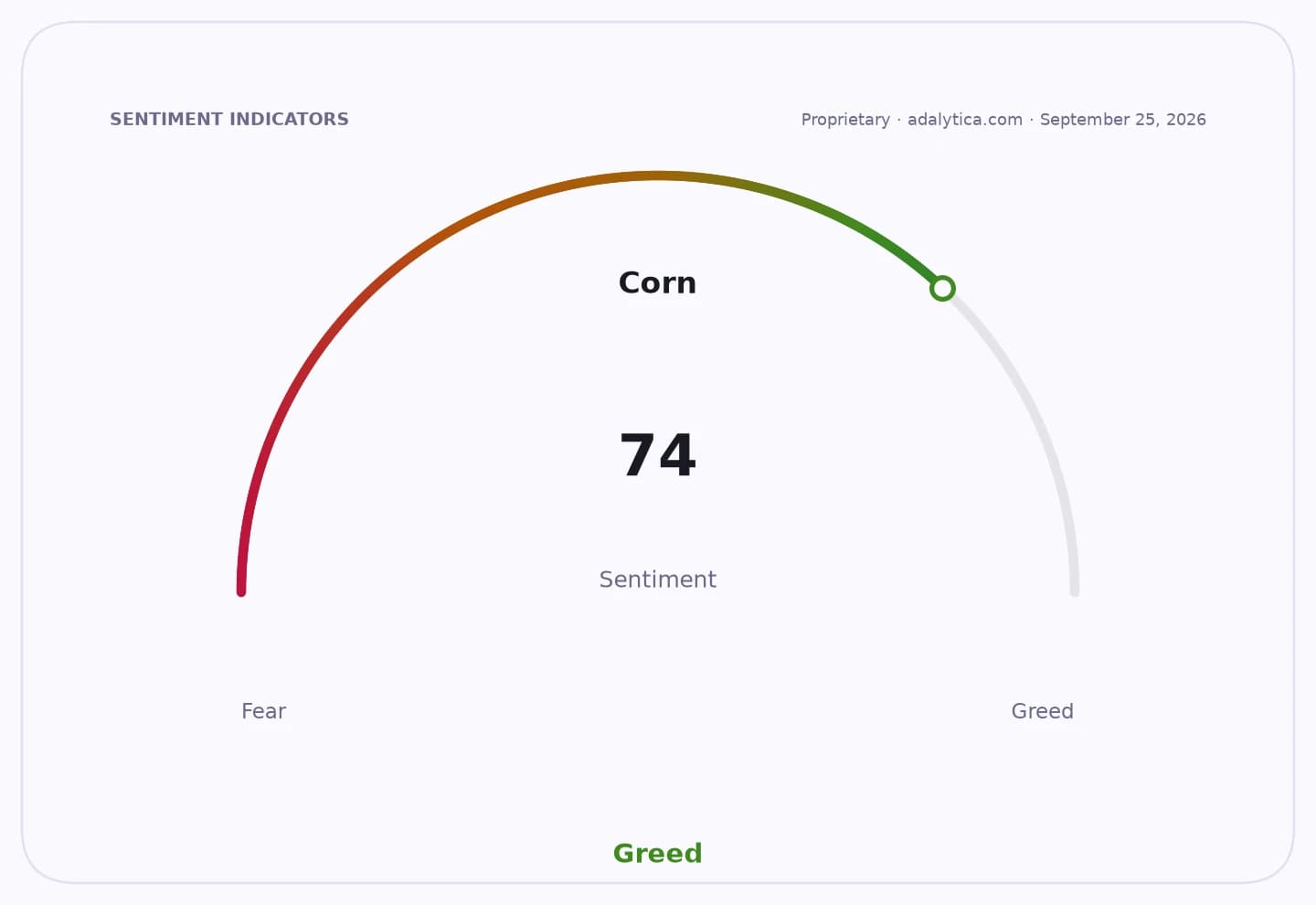
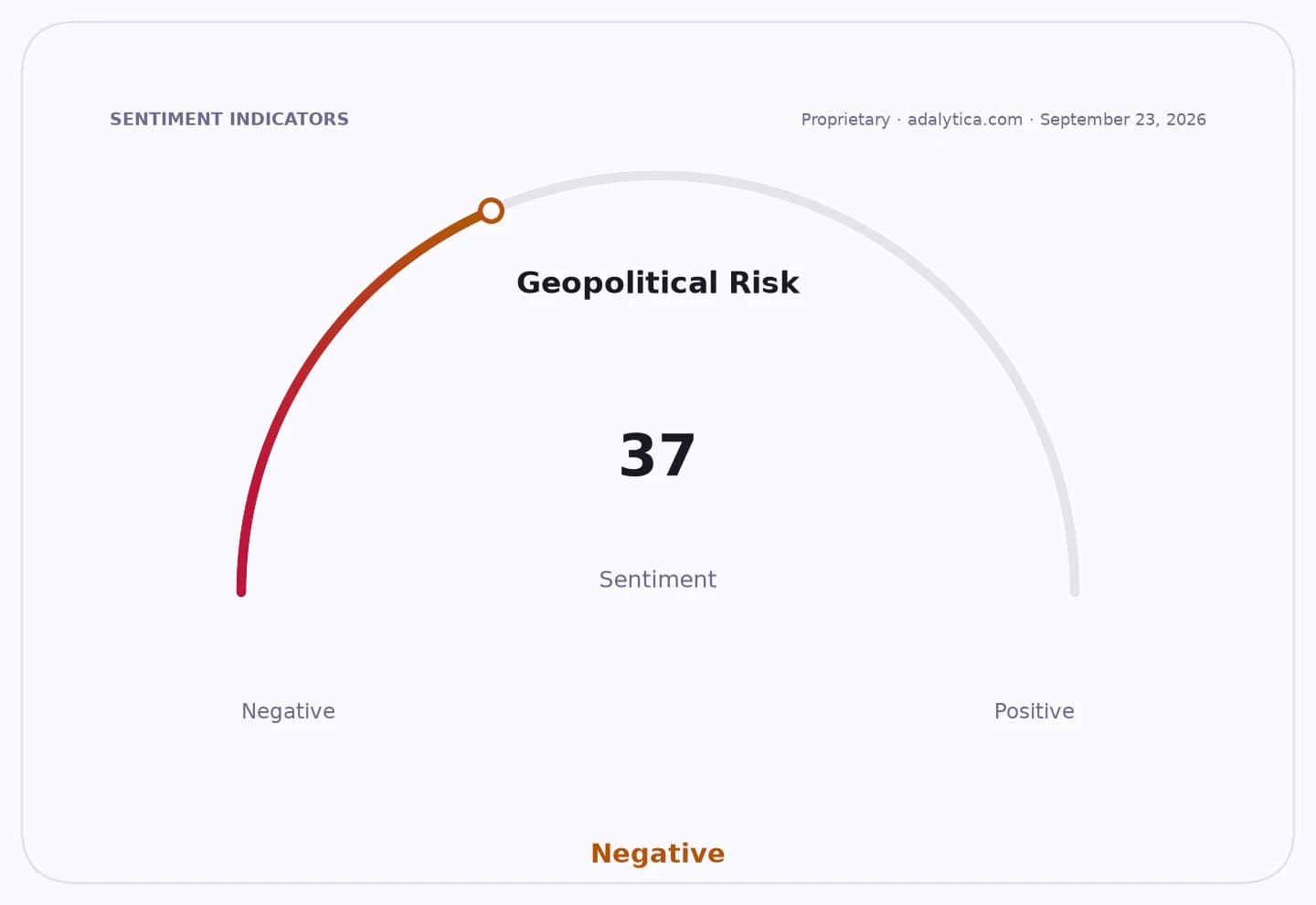
Sentiment IndicatorsⓘProprietary · adalytica.com · July 31, 2026
This is a snapshot — live sentiment, awareness and momentum for 130+ markets update continuously in the dashboard.Open AlphaPulse
Soybean futures have been highly sensitive to every shift in China’s demand profile. The U.S.-listed Teucrium Soybean ETF, SOYB, was last at $25.15 on July 31, up from $23.47 in early November, while volume and momentum indicators show the fund has recently cooled after a strong run, with the 14-day RSI slipping to 46.9 and the price hovering just above its lower Bollinger Band.
The broader soybean complex has been just as uneven. Soybean futures on the Chicago Board of Trade were last at 1,188.25 cents a bushel, below a recent high of 1,248 cents, after a sharp rally and pullback that reflected competing forces from adverse U.S. weather, better supply prospects and inconsistent Chinese buying. Corn prices have also softened, with the CORN fund falling to $17.62 from $18.08 earlier in the week, a reminder that grain markets remain tied to the same weather and demand swings.
For China, the auctions point to a preference for smoothing supplies and prices at home rather than signaling a near-term rebound in import appetite. That can pressure overseas exporters and keep a lid on rally attempts in soybeans unless weather or crop worries tighten global availability again.
The next catalyst is whether Chinese buyers return to the import market later in the summer and whether U.S. crop conditions deteriorate further. Until then, traders are likely to keep focusing on reserve sales, South American supply and the pace of Chinese demand as the main drivers of soybean direction.
| Entity | Gains | Losses |
|---|---|---|
| China state reserves | ▲Supply cushion, price control | ▼Storage drawdown |
| Chinese crushers/livestock feeders | ▲Cheaper nearby supply | ▼Less import urgency |
| U.S./Brazil exporters | ▲— | ▼Softer Chinese demand |
| Soybean bulls | ▲— | ▼Auction-driven selling pressure |