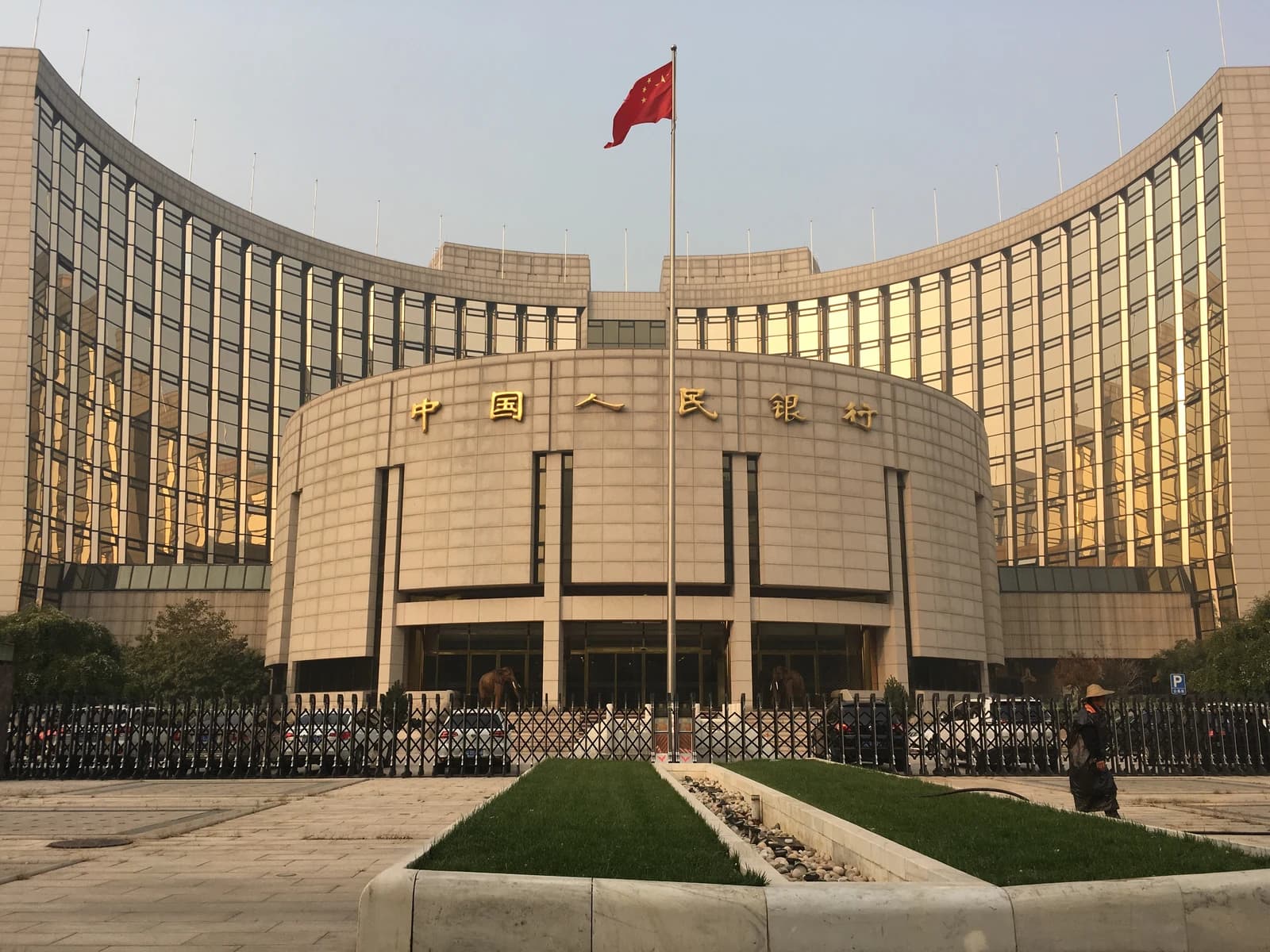
Chinese equities fell sharply on Thursday even as the People’s Bank of China injected short-term cash into the banking system, underscoring how quickly sentiment can weaken when liquidity support is modest relative to heavy market pressure.
China Stocks Fall as PBOC Liquidity Drains

The Shanghai Composite lost 1.21% to 3,765.71, while the Shenzhen Component dropped 2.09% and the ChiNext gauge slid 2.61%. The tech-heavy STAR 50 underperformed, falling 3.78%, a sign that high-multiple growth names were hit hardest as investors took risk off the table. The decline came despite the PBOC’s 20 billion yuan seven-day reverse repo at 1.40%, which fully met demand from primary dealers but was dwarfed by 6,060 billion yuan of reverse repos maturing the same day, implying a net liquidity drain of 6,040 billion yuan.
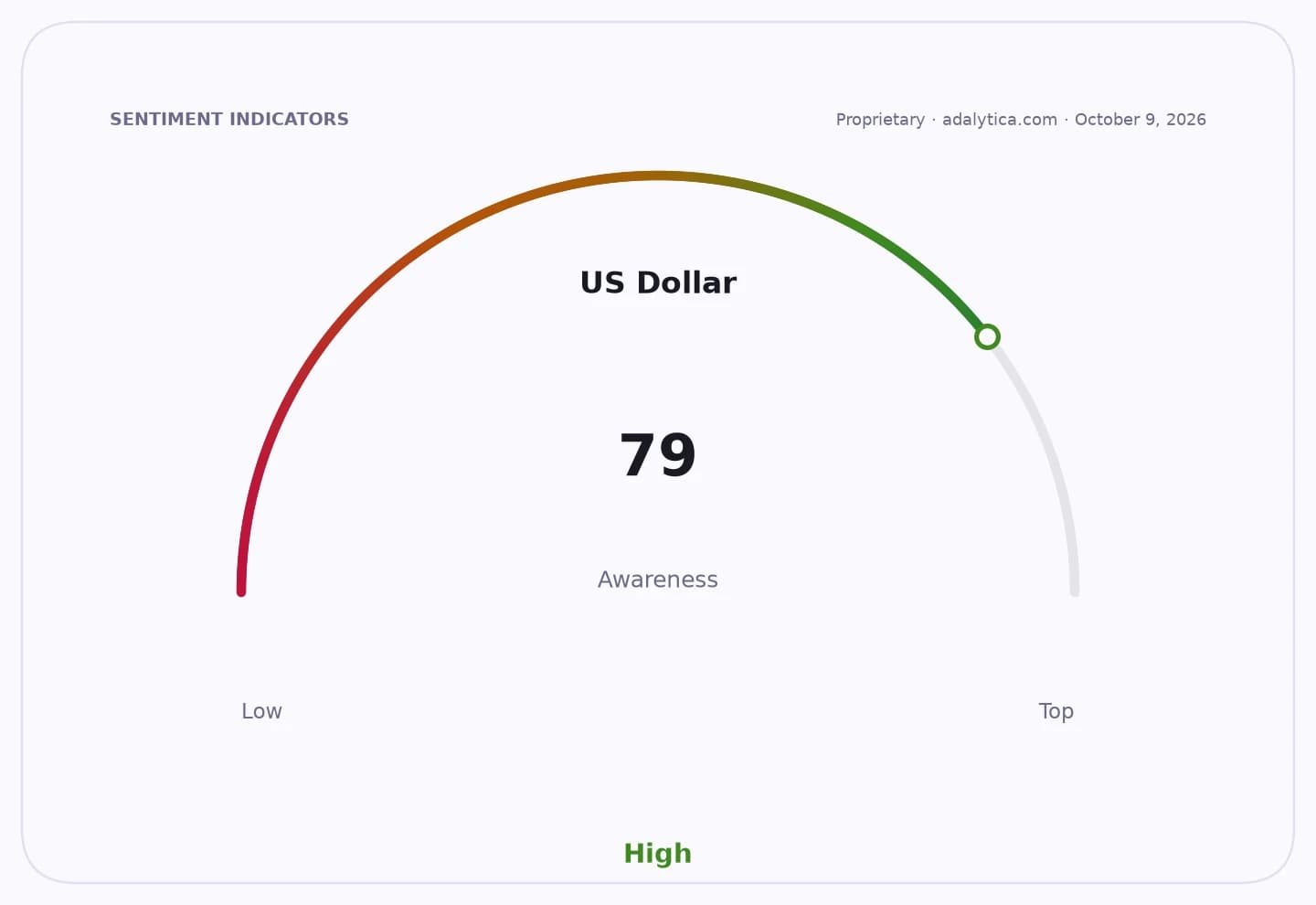
Sentiment IndicatorsⓘProprietary · adalytica.com · October 10, 2026
This is a snapshot — live sentiment, awareness and momentum for 130+ markets update continuously in the dashboard.Open AlphaPulse
That gap is the key economic story. A fully allotted operation sounds supportive, but in the context of such a large maturity wall it amounts to only a partial offset, not a meaningful easing of financial conditions. For money markets, the signal is that the central bank is still managing day-to-day liquidity rather than launching broad stimulus. For equities, especially momentum-driven sectors, that can leave valuations vulnerable when growth expectations are already sensitive to policy tone.
The market’s sector moves reflected that caution. Coal, precious metals, battery materials and other resource-linked groups led gains, while components, PCB, glass substrates, MLCCs and electronic chemicals lagged. In other words, investors were rotating toward defensives and commodity-linked cash flows and away from cyclical technology exposure. That pattern fits a market that is not pricing in an imminent surge in domestic demand.
Policy remains the central variable. On the one hand, the central bank’s willingness to keep liquidity orderly should help prevent funding stress and support government-bond and interbank markets. On the other, the small size of the reverse repo suggests Beijing is not yet trying to force a broad re-rating of risk assets. That leaves the burden on upcoming fiscal measures, credit transmission and demand data to restore confidence.
Coal shares drew additional support from a draft notice from the National Energy Administration that would encourage mines to resume and expand production where conditions allow, even as winter stockpiling in northern China is expected to lift demand. That helped miners including Yankuang Energy, China Shenhua, China Coal Energy and Shaanxi Coal, which investors continue to view as beneficiaries of firmer coal prices and stable output.
The broader message for investors is that Chinese stocks remain highly sensitive to the balance between policy support and liquidity withdrawal. If the PBOC continues to rely on small reverse repos while large maturities roll off, rallies may struggle to extend, especially in growth sectors. A sustained rebound will likely need either a clearer easing signal or stronger evidence that domestic demand is stabilizing.
| Entity | Gains | Losses |
|---|---|---|
| Coal miners | ▲Firmer coal prices | ▼Lower-cost power buyers |
| Defensive/resource sectors | ▲Relative inflows | ▼High-beta tech shares |
| PBOC liquidity management | ▲Market orderly functioning | ▼Bulls expecting stimulus |
| Growth stocks/STAR 50 | ▲— | ▼Valuation de-rating pressure |