China’s role in regional growth is back in focus as Thai Prime Minister Anutin Charnvirakul says Beijing’s development is boosting the wider world economy, a message that underscores how Southeast Asia is weighing China’s demand, investment and supply-chain pull even as trade tensions persist.
China Thailand Trade Links Boost Regional Growth
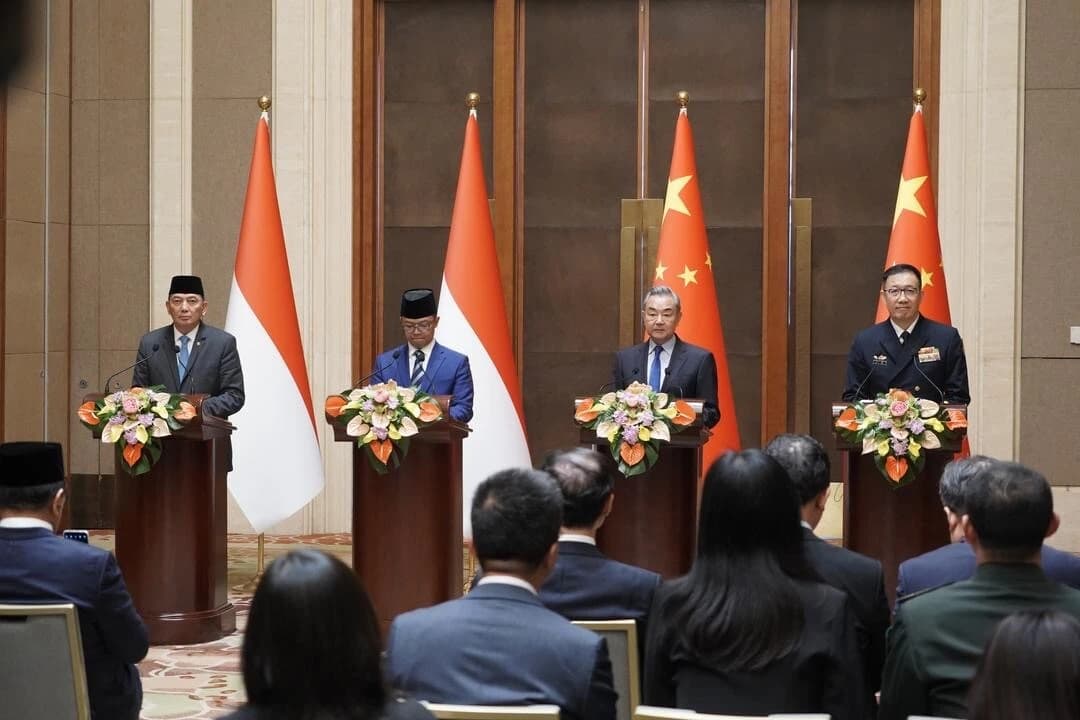
Speaking at a Chinese Embassy reception in Bangkok on Thursday, Anutin said China’s development has improved living standards at home and “played an important role” in driving economic growth in the region and globally. He also called for Thailand and China to strengthen cooperation under their comprehensive strategic partnership and move toward a shared future framed around stability, prosperity and sustainability.
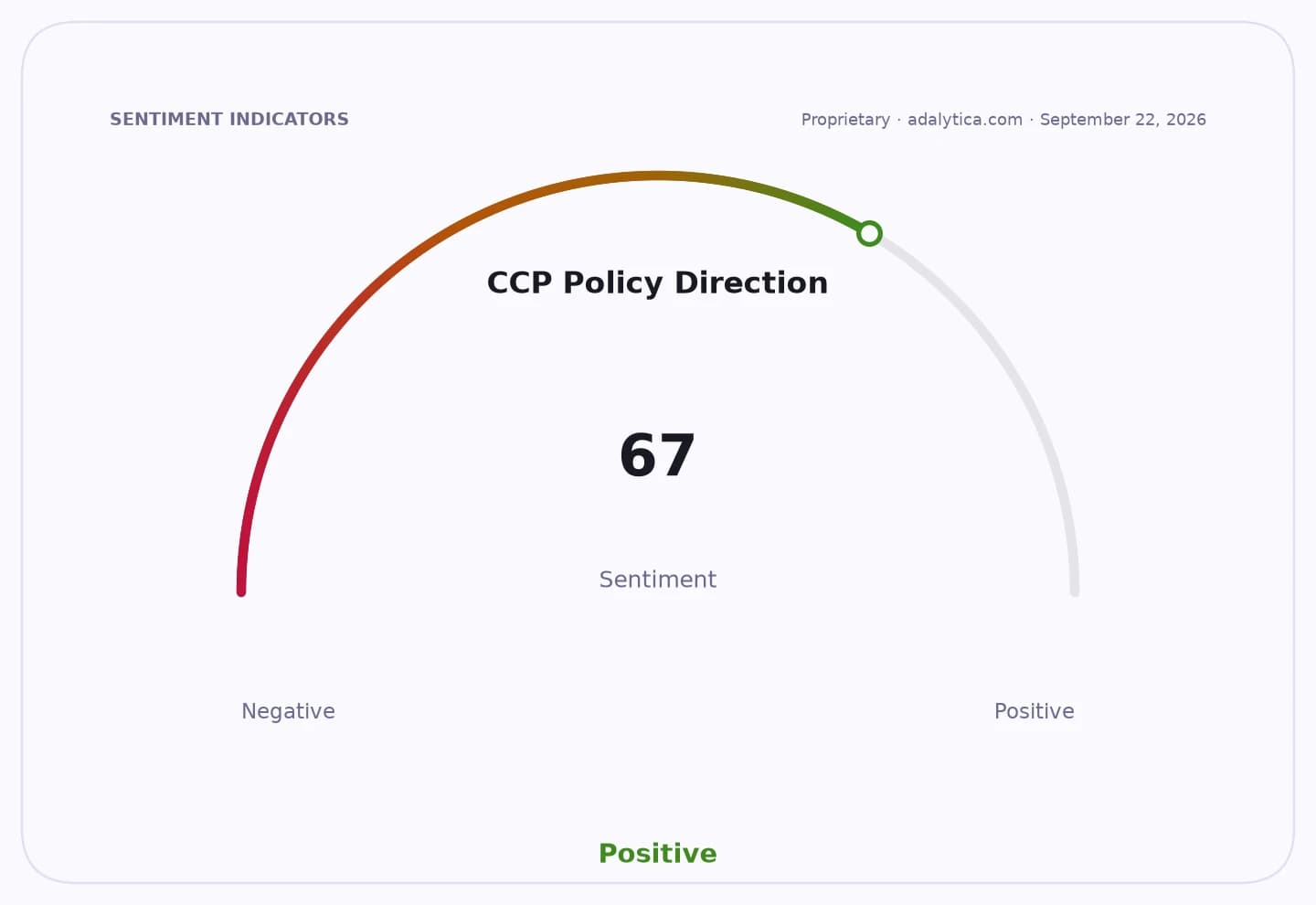
Sentiment IndicatorsⓘProprietary · adalytica.com · September 20, 2026
This is a snapshot — live sentiment, awareness and momentum for 130+ markets update continuously in the dashboard.Open AlphaPulse
The remarks matter because Thailand sits inside one of Asia’s most China-linked trade and tourism corridors, where Beijing’s growth still feeds exports, manufacturing investment and infrastructure flows. For investors, that means any sustained pickup in Chinese activity tends to support cyclical assets across Asia, while weakness in China usually shows up quickly in regional supply chains, commodity demand and export-sensitive markets.
The timing is notable. China’s exports accelerated in August, helped by stronger demand for high-tech goods and artificial intelligence-related products, while industrial production also picked up, signaling that factory activity remains a key support for the economy. That resilience is helping reinforce the case for China as a growth engine at a time when foreign companies are shifting some focus toward research and development inside the country rather than manufacturing alone.
For markets, that backdrop keeps attention on China-linked exchange-traded funds and Asian trade proxies. The iShares MSCI China ETF, FXI, was last down 0.5% at $34.32 on Sept. 18 after sliding below its 50-day moving average and staying under its 200-day average, a technical setup that reflects cautious positioning despite improving trade data. The iShares MSCI Hong Kong ETF, EWH, closed at $22.45, while the Xtrackers Harvest CSI 300 China A-Shares ETF, ASHR, ended at $33.77.
The broader narrative is one of economic interdependence rather than pure diplomacy. Thailand’s message of closer coordination with China lands as Beijing seeks to project stability and global relevance, while regional partners look to capture growth from Chinese demand without getting caught in escalating trade frictions.
Investors will now watch whether the export rebound in China extends into the next data prints and whether Southeast Asian policymakers turn warmer rhetoric into more cross-border investment, tourism and industrial cooperation.
| Entity | Gains | Losses |
|---|---|---|
| Thailand | ▲More trade and investment links | ▼Less insulation from China slowdown |
| China | ▲Stronger regional influence | ▼Pressure to sustain growth |
| Asian exporters | ▲Higher demand from China | ▼Weakness if China softens |
| China ETFs (FXI, ASHR) | ▲Support from improving trade data | ▼Drag from weak technicals |