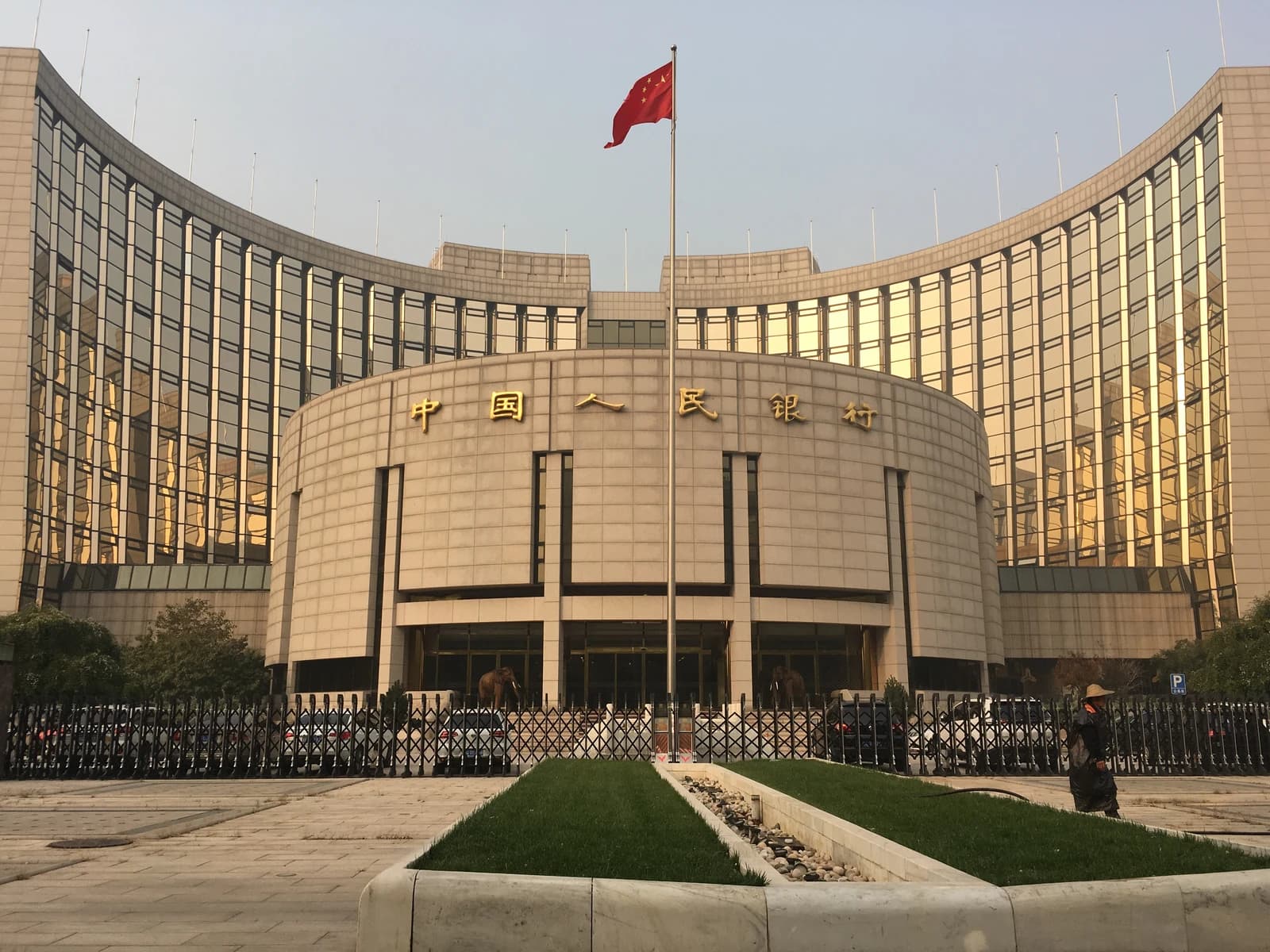
A sharp Chinese dump of US Treasuries would probably weaken the dollar, but only after it jolts global bond markets, pushes US yields sharply higher and forces investors to decide whether the greenback is still the world’s safest refuge.
China Treasury Sale Could Pressure US Dollar and Yields
The more immediate impact would land in rates. China remains one of the biggest foreign holders of US government debt, and a sudden exit would add supply to a market already sensitive to fiscal deficits and heavy Treasury issuance. Benchmark yields would likely jump as investors demand more compensation to absorb the paper, lifting borrowing costs for the US government, companies and households.
Sentiment Indicators
The 10-year Treasury yield, which has recently hovered around 4.9%, and the 2-year near 4.6%, show how little room there is for a disorderly move. A forced sale would be most painful at the long end, where duration is most exposed, and could spill into mortgages, corporate credit and equities as discount rates rise.
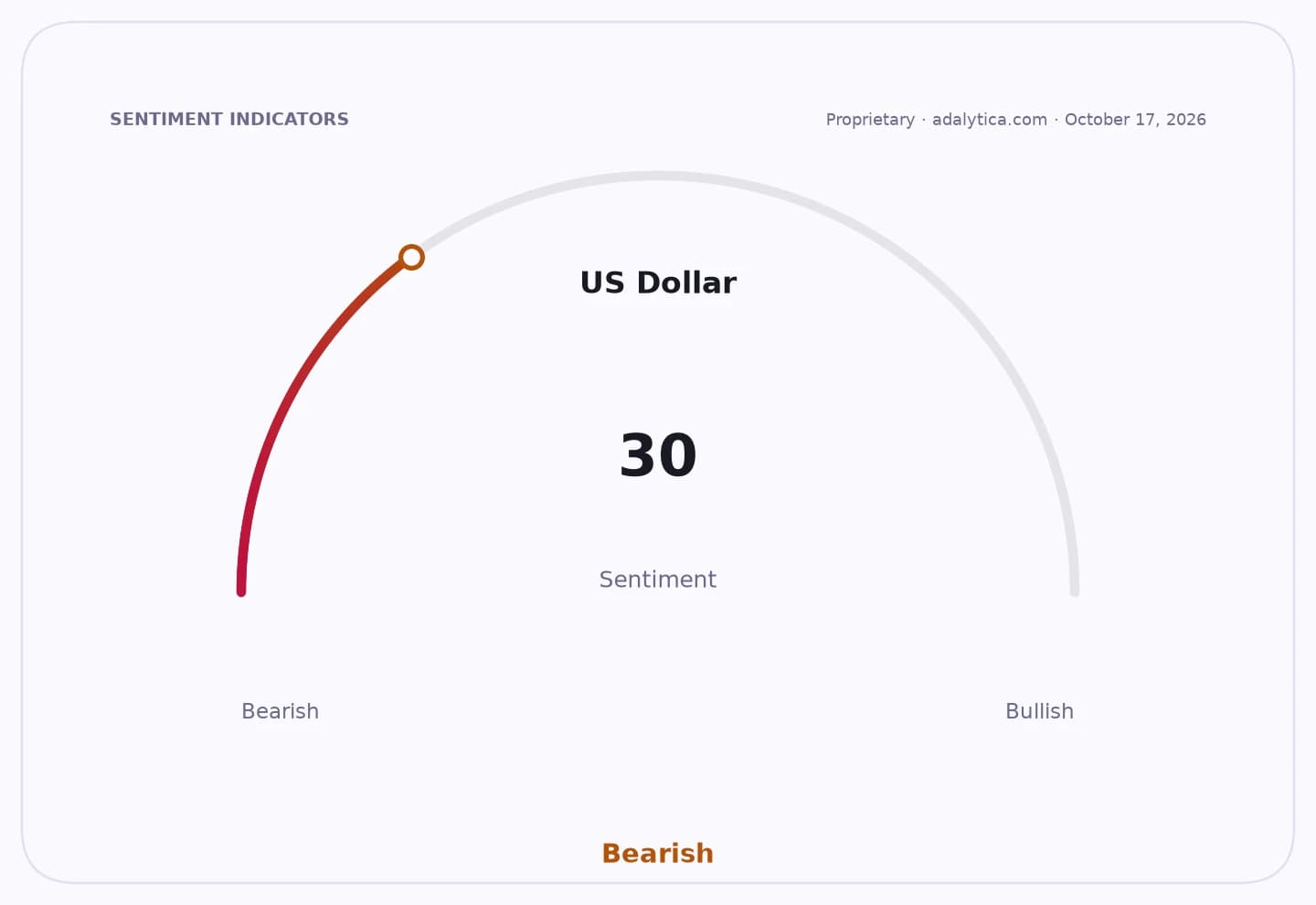
For the dollar, the effect is more complicated. In a normal risk-off shock, investors often buy dollars for safety, even when US assets are under pressure. But if a China-led liquidation is seen as a systemic attack on the Treasury market, that haven bid could fade and the dollar could fall alongside bonds. Adalytica’s US dollar trade signal is already flashing extreme fear, suggesting the currency is vulnerable to disorderly sentiment shifts even before any actual selling hits the market.
US Dollar — 30-day sentimentadalytica.com
Explore this data interactively — full history, time series and cross-market comparisons.
US Dollar
Treasuries are not the only asset likely to move. The iShares 20+ Year Treasury Bond ETF, TLT, has climbed to 82.06, while the Invesco DB US Dollar Index Bullish Fund, UUP, is near 28.90, reflecting a market still pricing a firm but fragile dollar and a bid for duration. Any abrupt Chinese liquidation would likely reinforce volatility in both, at least initially.
But Beijing would be inflicting damage on itself as well. A large sale would push Treasury prices lower and erode the value of China’s own reserves, while also risking retaliation from Washington in the form of sanctions, trade restrictions or financial countermeasures. That makes a rapid dump a low-probability move, even if China continues to diversify reserves gradually into gold and other assets.
The more realistic path is slow reduction, not financial warfare. That would keep mild pressure on the dollar over time without triggering a full-blown break in the Treasury market. For investors, the key risk is not just the currency move but the possibility that a major foreign holder decides US assets are less politically neutral than they once were.
| Entity | Gains | Losses |
|---|---|---|
| US dollar bulls | ▲Safe-haven demand if panic dominates | ▼If Treasury liquidation overwhelms haven flows |
| US Treasury sellers | ▲Higher cash balances if exit is orderly | ▼Lower bond prices on forced sales |
| US borrowers | ▲None | ▼Higher funding and mortgage costs |
| China | ▲Longer-term diversification if gradual | ▼Reserve losses and retaliation risk |