Foreign investors pulled back from U.S. government debt in July, trimming Treasury holdings by $50.4 billion as rising yields, fiscal anxiety and shifting reserve strategies made the world’s safest bond market look a little less automatic.
Foreign Investors Cut U.S. Treasury Holdings in July

That matters because Treasuries are the backbone of global finance. When overseas buyers slow their purchases, Washington has to work harder to fund its deficits, and investors often demand a higher return to compensate for the extra supply. In July, foreign-held U.S. debt fell to $9.248 trillion, the second straight monthly decline, while net buying of all U.S. securities dropped to $83.7 billion from $135.5 billion in June.
Sentiment IndicatorsⓘProprietary · adalytica.com · October 10, 2026
This is a snapshot — live sentiment, awareness and momentum for 130+ markets update continuously in the dashboard.Open AlphaPulse
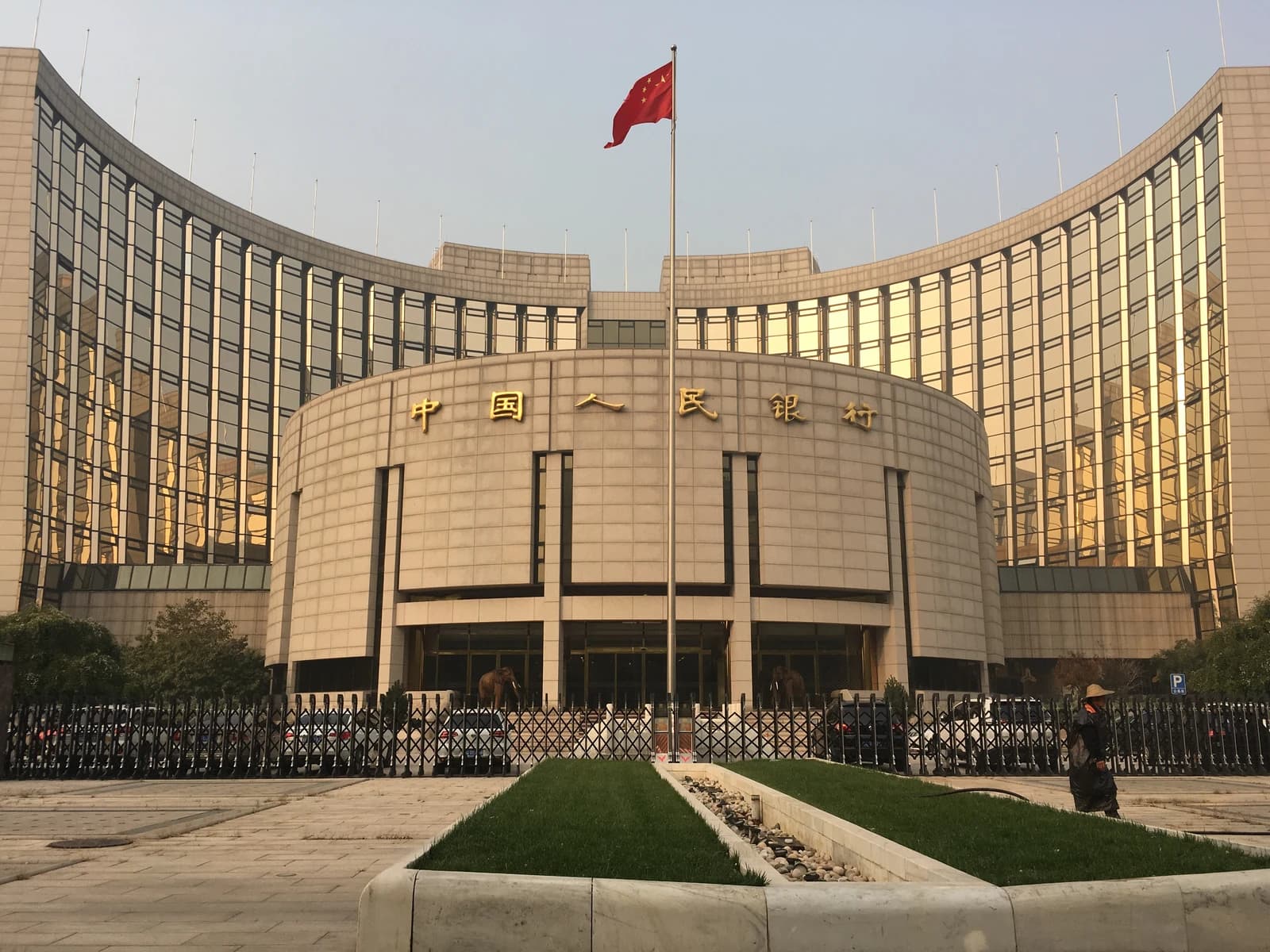
The retreat was broad but not universal. France cut its Treasury holdings by $41.5 billion and Canada by $33.3 billion, while Japan reduced its position by $12.8 billion and China by $15.4 billion, leaving Chinese holdings at $618 billion, the lowest since 2008. Belgium also saw a sharp drop, though its role as a custody center means that move may not reflect only Belgian selling. Against that backdrop, the United Kingdom stood out, adding $58.4 billion and lifting its holdings to a record $998.3 billion.
For investors, the message is not that Treasuries are losing their status as a global safe haven. It is that buyers are becoming more selective at a time when the U.S. is issuing more debt and running a larger fiscal deficit. The 10-year Treasury yield has already climbed to levels not seen in more than two decades, and when yields rise, prices fall — which helps explain why some foreign portfolios showed both actual selling and valuation losses in the same month.
The bigger narrative is a world that still needs U.S. assets but is no longer willing to absorb unlimited supply at any price. Japan has been trimming its Treasury stash for three straight months, and China has been reducing exposure for years. That leaves the United States leaning more heavily on domestic buyers just as borrowing needs keep climbing.
Long term, that combination can mean a higher floor for yields, tighter financial conditions and a larger interest bill for the federal government. For bond investors, it argues for patience and selectivity rather than trying to call the exact top or bottom in rates. For equity investors, it is another reminder that the cost of capital matters — especially for rate-sensitive sectors and highly leveraged companies. Treasuries remain investable, but the foreign bid that once made them feel effortless is looking less dependable.
| Entity | Gains | Losses |
|---|---|---|
| U.S. Treasury sellers | ▲Higher yields on new debt | ▼Lower prices on existing bonds |
| U.S. government | ▲More incentive for fiscal discipline | ▼Higher borrowing costs |
| UK buyers | ▲Bigger Treasury allocation | ▼More duration exposure |
| France, Canada, Japan, China | ▲Less U.S. rate risk | ▼Smaller Treasury positions |