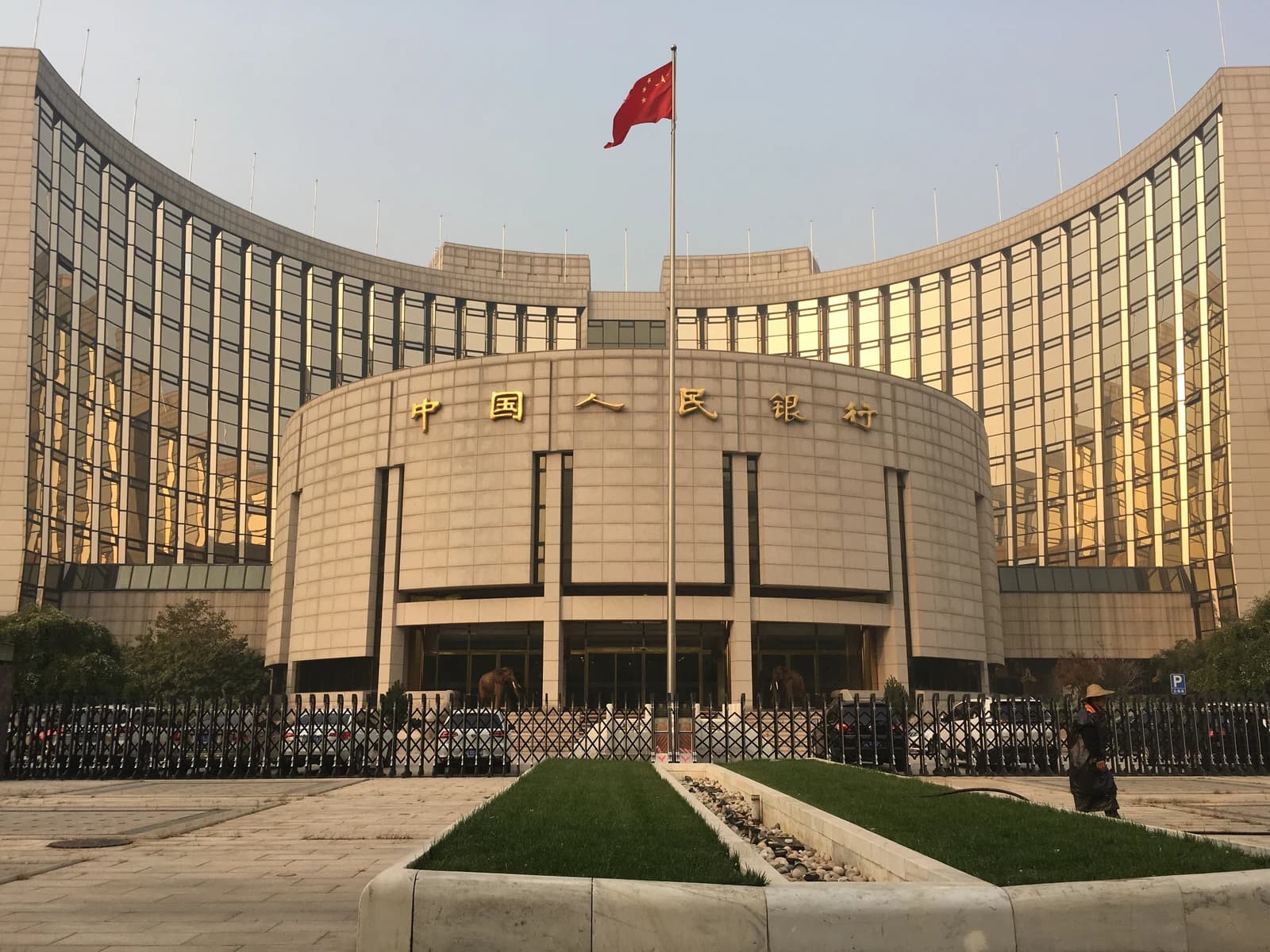
China is preparing to lift the foreign-exchange reserve requirement ratio for banks to slow the yuan’s advance, a move that underscores how quickly currency strength can become a policy problem for Beijing.
China Yuan Reserve Ratio Move to Slow Gains
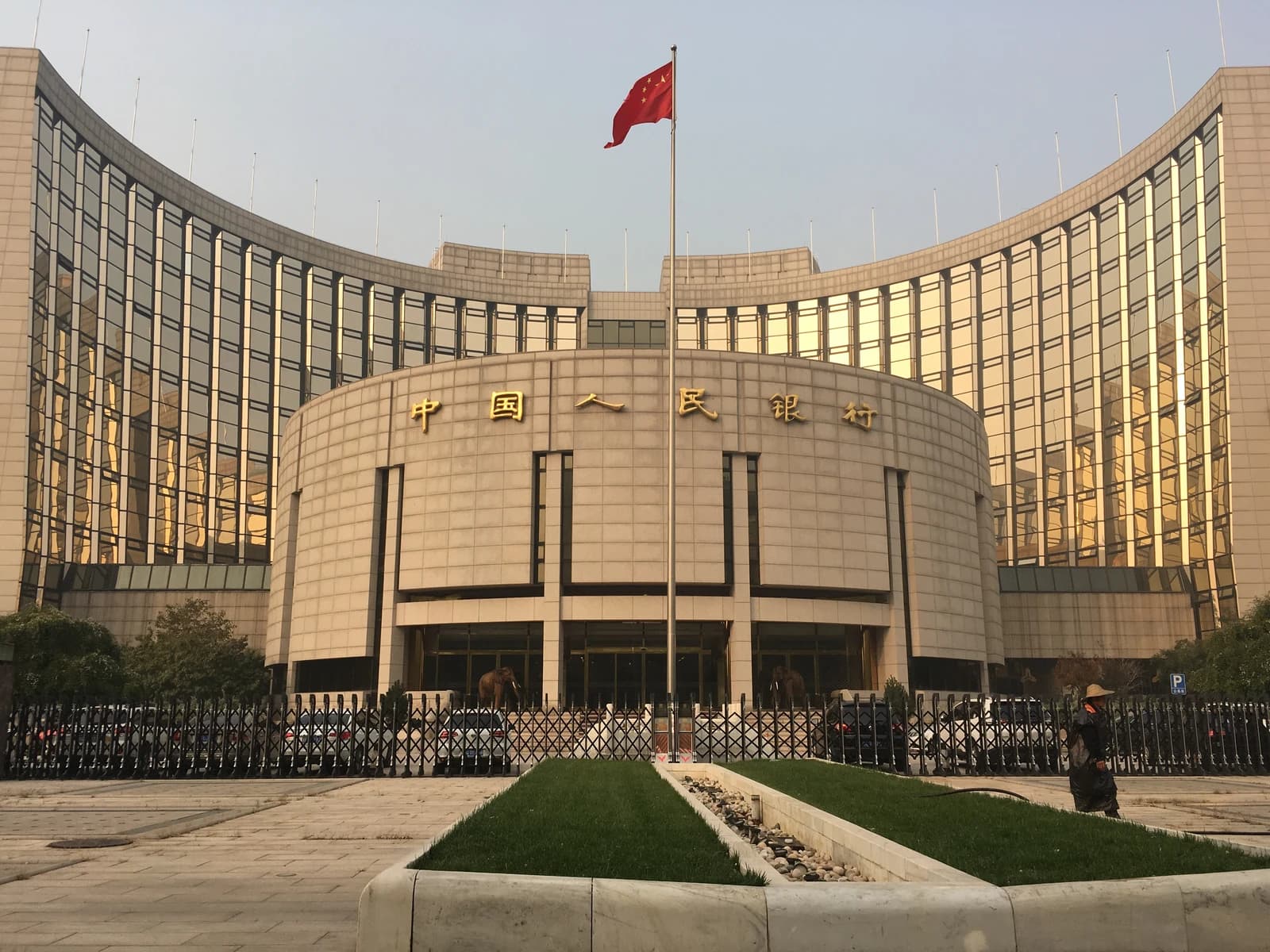
For investors, the key issue is not just the direction of the yuan, but the message behind the intervention: Chinese authorities want appreciation to remain orderly, not self-reinforcing. A faster yuan can help tame imported inflation and support confidence, but it can also squeeze exporters, tighten financial conditions and complicate trade-sensitive growth at a time when Beijing still needs a stable external backdrop.
Sentiment Indicators
Chinese Yuan
The market has already been hinting at a shift in pressure. The yuan, trading around 6.68 per dollar, has firmed from 6.84 in late February and 6.66 at the start of November, while the 50-day moving average now sits near 6.70 and the 200-day average near 6.79. That leaves the currency stronger than its longer-term trend, even after some recent consolidation. Technical readings show the move has cooled from earlier extremes, but the broader message is clear: the yuan’s rise has been strong enough to bring policy attention back to the foreign-exchange market.
That matters because a stronger yuan tends to hit China’s export sector first. When the currency rises too quickly, overseas revenues translate into fewer renminbi, which can pressure margins for manufacturers, e-commerce platforms with regional exposure and the wider industrial supply chain. It also changes the math for global companies that source from China, potentially easing import costs abroad while narrowing competitiveness for Chinese producers.

The broader market picture is just as important. The offshore-traded iShares currency ETF tied to the yuan, FXY, has recently hovered in the high-$50s after touching the low-$60s earlier this year, reflecting a currency that has been supported but not yet in a runaway trend. At the same time, Adalytica’s signals show extreme fear around both the yuan and the dollar, a reminder that positioning can swing sharply when policymakers step in. In currency markets, the central bank’s presence often matters more than the day’s price.
For long-term investors, the takeaway is straightforward: this is a policy-managed appreciation story, not a free-floating breakout. China wants enough currency stability to support trade and capital flows, but not so much strength that exporters lose competitiveness or speculative bets feed on themselves. That balance is likely to keep the yuan well watched, and it makes currency exposure worth treating as a portfolio risk rather than a trading opportunity. Investors with China-linked holdings should keep an eye on exporters, hedged strategies and firms with meaningful dollar revenue exposure.
| Entity | Gains | Losses |
|---|---|---|
| Chinese policymakers | ▲More control over yuan gains | ▼Less room for market-driven strength |
| Importers outside China | ▲Cheaper China-sourced goods | ▼Chinese exporters lose competitiveness |
| Chinese exporters | ▲Stable currency levels | ▼Faster yuan appreciation |
| Currency bulls | ▲Confirmation of policy support | ▼Speculative upside capped |