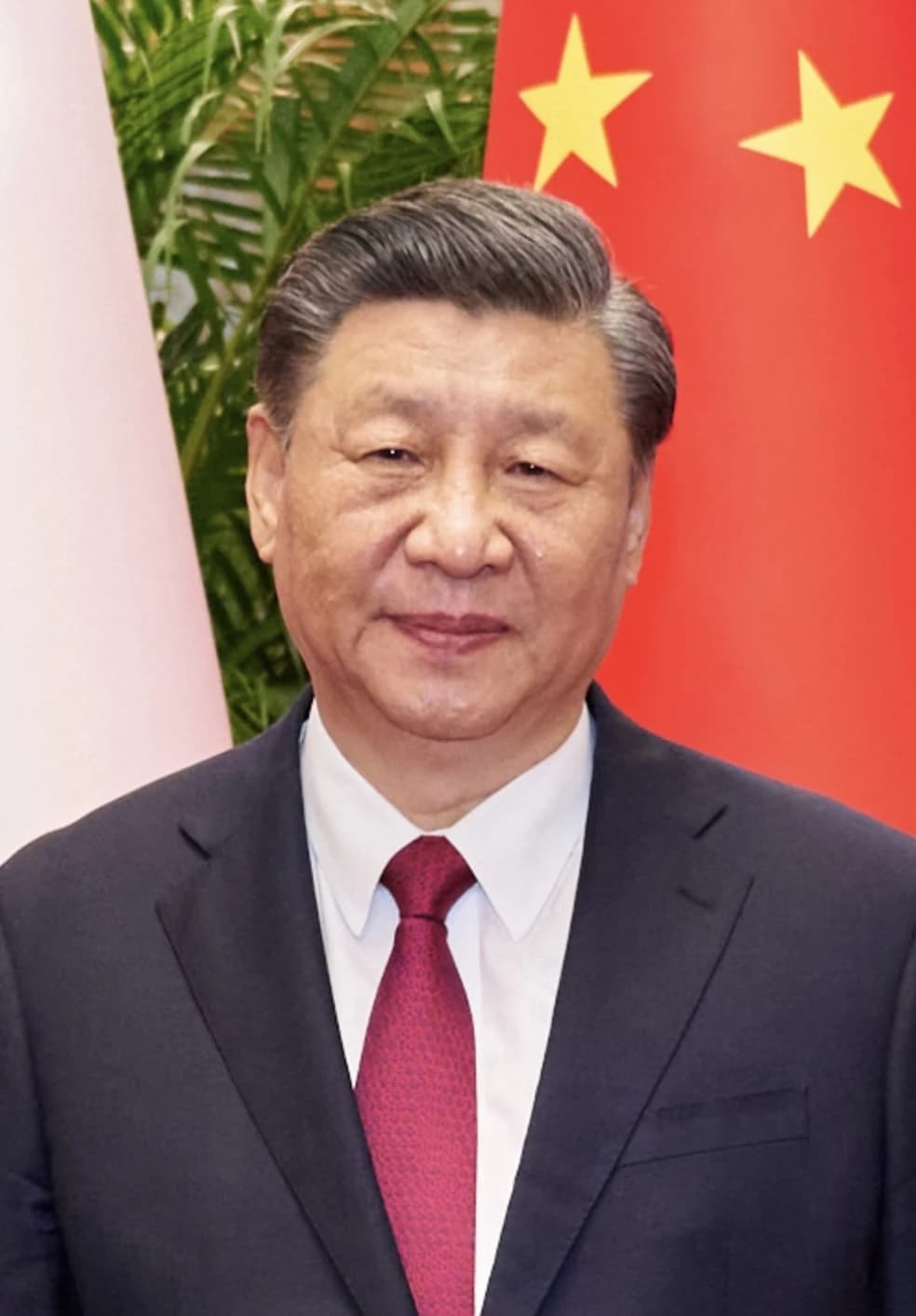
Xi Jinping has renewed Beijing’s push to steady ties with Britain, calling for deeper UK-China cooperation and urging the UK to protect the rights of Chinese investors — a sign that China wants the commercial relationship to keep moving even as political differences remain.
China Seeks Deeper UK Cooperation on Investors

That matters because the UK is still one of the more important Western gateways for Chinese capital, finance and dealmaking. When Beijing publicly asks for a “stable business environment,” it is not just diplomatic language. It is a reminder that access, treatment of investors and the ability to do business abroad are becoming central to China’s growth strategy as it tries to keep trade, financing and cross-border investment channels open.
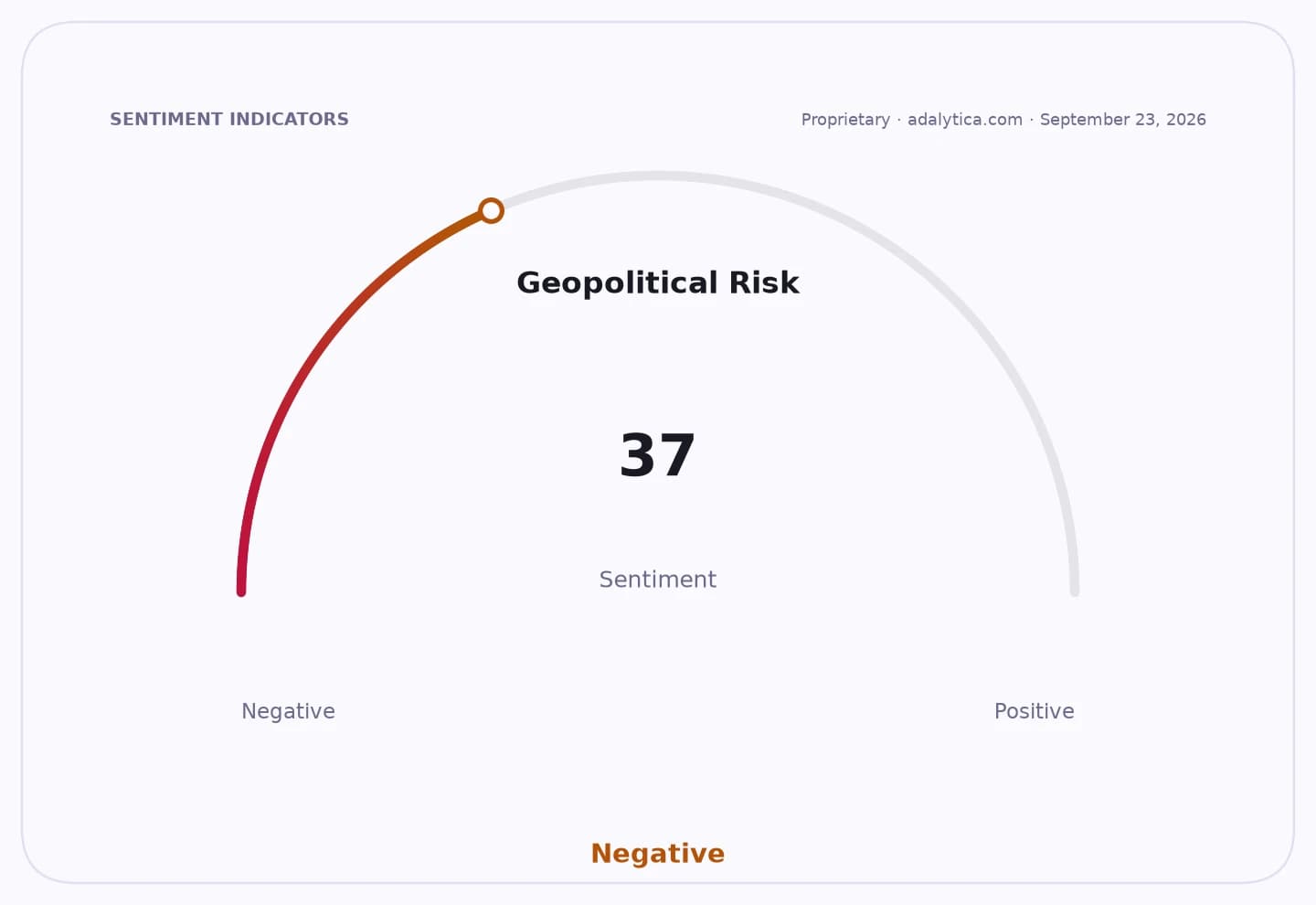
Sentiment IndicatorsⓘProprietary · adalytica.com · September 9, 2026
This is a snapshot — live sentiment, awareness and momentum for 130+ markets update continuously in the dashboard.Open AlphaPulse

For investors, the immediate takeaway is that relations between the two countries are still being managed, not frozen. That can support companies and funds with exposure to China-linked trade, financial services and consumer flows, while also reducing the risk premium on select UK assets that depend on inbound capital. The flip side is that any improvement remains fragile, because political scrutiny in Britain over national security, technology and strategic industries is unlikely to disappear.
The market backdrop suggests investors are already pricing in that tension. The iShares MSCI China ETF, FXI, has recently hovered around $35, below its 200-day moving average, while the iShares MSCI United Kingdom ETF, EWU, has stayed much firmer near $48, above both its 50-day and 200-day averages. That divergence says the market still prefers the relative stability of UK assets over a direct China bet, even as diplomacy keeps the door open.
Adalytica’s US-China relations gauge still shows extreme greed, while its China policy-direction reading points to fear, a combination that reflects optimism about talks and skepticism about follow-through. In plain English: investors want better relations, but they do not fully trust them yet.
The longer-term story is that China remains highly motivated to preserve access to major financial centers like London, especially as it leans more heavily on external markets, investor confidence and international capital. Britain, for its part, has incentives to keep channels with Beijing open even while maintaining tighter oversight of sensitive sectors. That balancing act is exactly where the next chapter of UK-China relations will be written.
For long-term investors, the key is to watch whether diplomacy turns into durable commercial access. If it does, China-exposed assets could deserve a place on the watchlist; if not, the gap between hopeful headlines and real economic cooperation will stay wide.
| Entity | Gains | Losses |
|---|---|---|
| Chinese investors | ▲Better UK protection | ▼Policy uncertainty |
| UK businesses | ▲More China-facing trade | ▼Harder geopolitical balancing |
| FXI holders | ▲Diplomatic support for flows | ▼Ongoing China risk discount |
| EWU holders | ▲Relative stability premium | ▼Missed China upside |