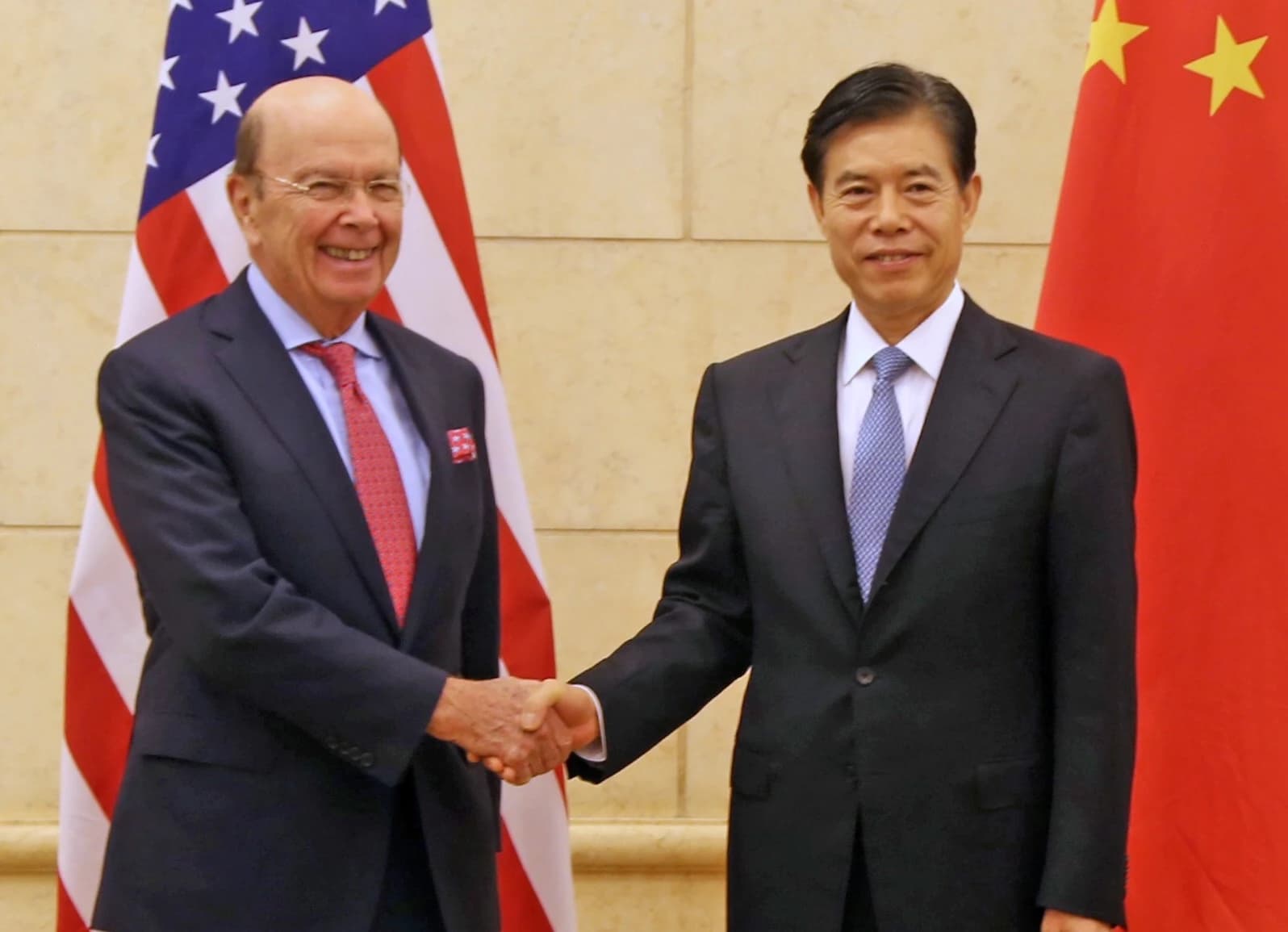
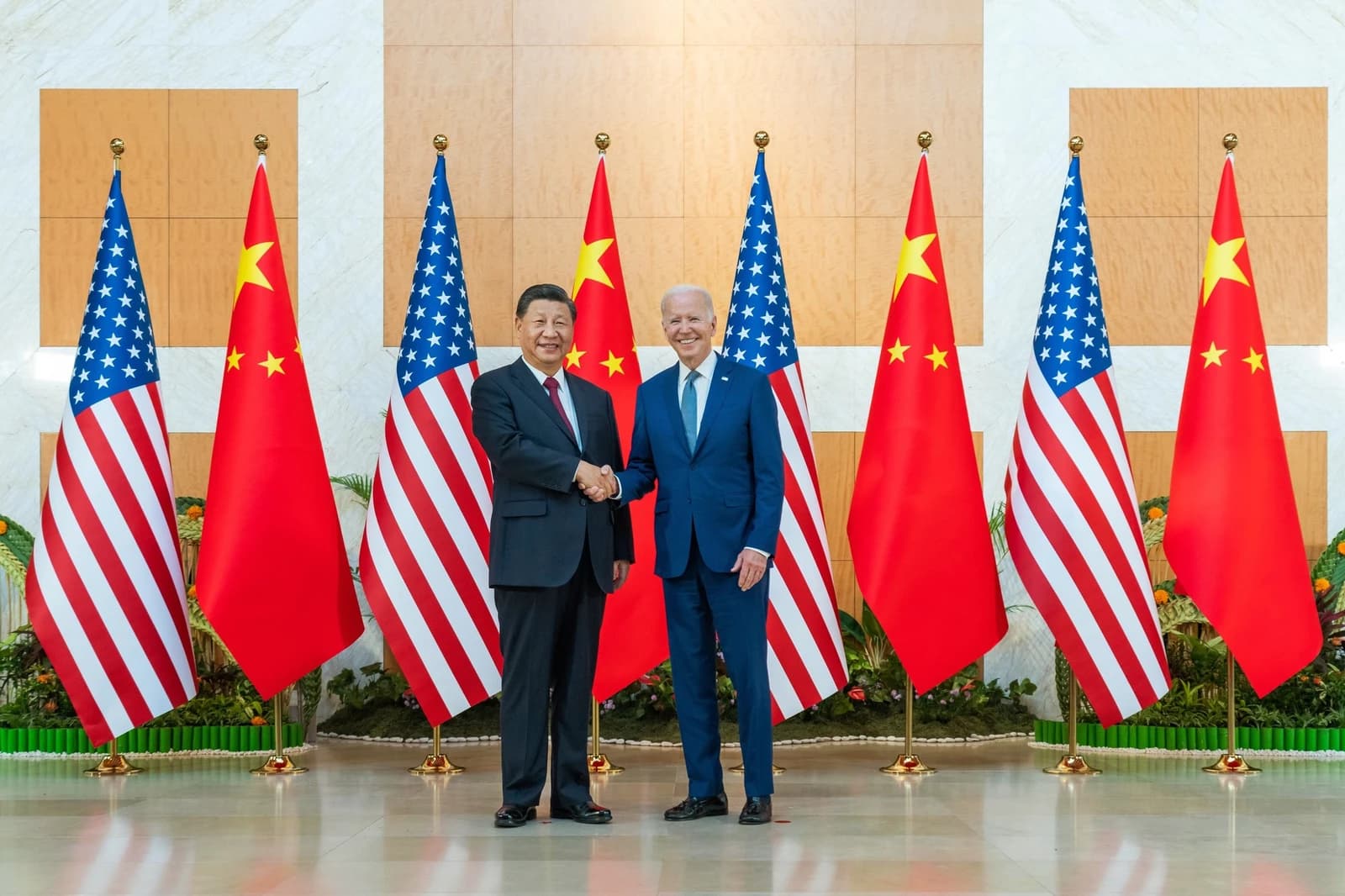
China said it and the United States hope to agree soon on lowering import taxes on $30 billion of goods each side, a sign the two largest economies are moving to ease a tariff fight that has already reshaped trade flows and weighs on exporters, margins and global growth.
China, U.S. Seek Tariff Cuts on $30 Billion of Goods

Beijing’s Commerce Ministry said negotiators are working to implement reciprocal tariff cuts on “nonsensitive” products at an early date, with the issue set to feature prominently when President Donald Trump and Chinese leader Xi Jinping meet in Washington in two weeks. The talks are part of efforts to set up a U.S.-China Board of Trade, a follow-on to the tariff truce the two sides struck after a blistering trade war that pushed duties on Chinese imports to extreme levels and triggered retaliation from Beijing.
Sentiment IndicatorsⓘProprietary · adalytica.com · September 14, 2026
This is a snapshot — live sentiment, awareness and momentum for 130+ markets update continuously in the dashboard.Open AlphaPulse

For investors, even a limited rollback matters because tariffs act like a tax on supply chains, squeezing corporate earnings and distorting sourcing decisions. The proposed reductions would be targeted rather than sweeping, but they could still ease pressure on import-dependent companies in sectors such as technology, consumer goods and industrials, while offering some relief to Chinese exporters facing weaker U.S. demand.
The scale is also telling. The $30 billion covered on each side is meaningful, but it is far smaller than the broader trade relationship once was, underscoring how much bilateral commerce has already been reduced by years of tariffs and diversification. Barclays said trade will be front and center at the summit, but broader deal scope looks limited, while Natixis economist Gary Ng said the overall significance is less than before because bilateral trade volumes are smaller.
US-China Relations vs FXIadalytica.com
Explore this data interactively — full history, time series and cross-market comparisons.Open AlphaPulse

Still, the asymmetry could favor the U.S. more than China if an accord is reached, because $30 billion represents about 28% of U.S. exports to China versus roughly 10% in the other direction, according to Ng. That imbalance may shape bargaining power and the market’s readthrough to sectors exposed to Chinese demand, especially if the White House frames the outcome as a win for U.S. exporters.
The timing is also important for markets watching the next phase of U.S.-China relations. The current tariff truce expires on Nov. 10, and a partial deal would likely reduce near-term trade-war risk, support sentiment in Asia and temper demand for defensive positioning in the dollar and safe havens.
But the broader strategic rivalry remains intact. The planned Trump-Xi meeting comes as Washington and Beijing continue to clash over technology, semiconductors, minerals and artificial intelligence, meaning any tariff relief would be more of a stabilization measure than a reset. Investors will be watching whether the summit produces a narrow tariff cut, a framework for further talks or simply another pause in a relationship still defined by competition.
| Entity | Gains | Losses |
|---|---|---|
| U.S. exporters | ▲Lower tariff burden | ▼Less leverage if talks stall |
| Chinese exporters | ▲Some U.S. demand relief | ▼Continued trade uncertainty |
| Multinational importers | ▲Lower supply-chain costs | ▼Ongoing policy risk |
| Tariff hawks | ▲— | ▼Reduced pressure for protectionism |