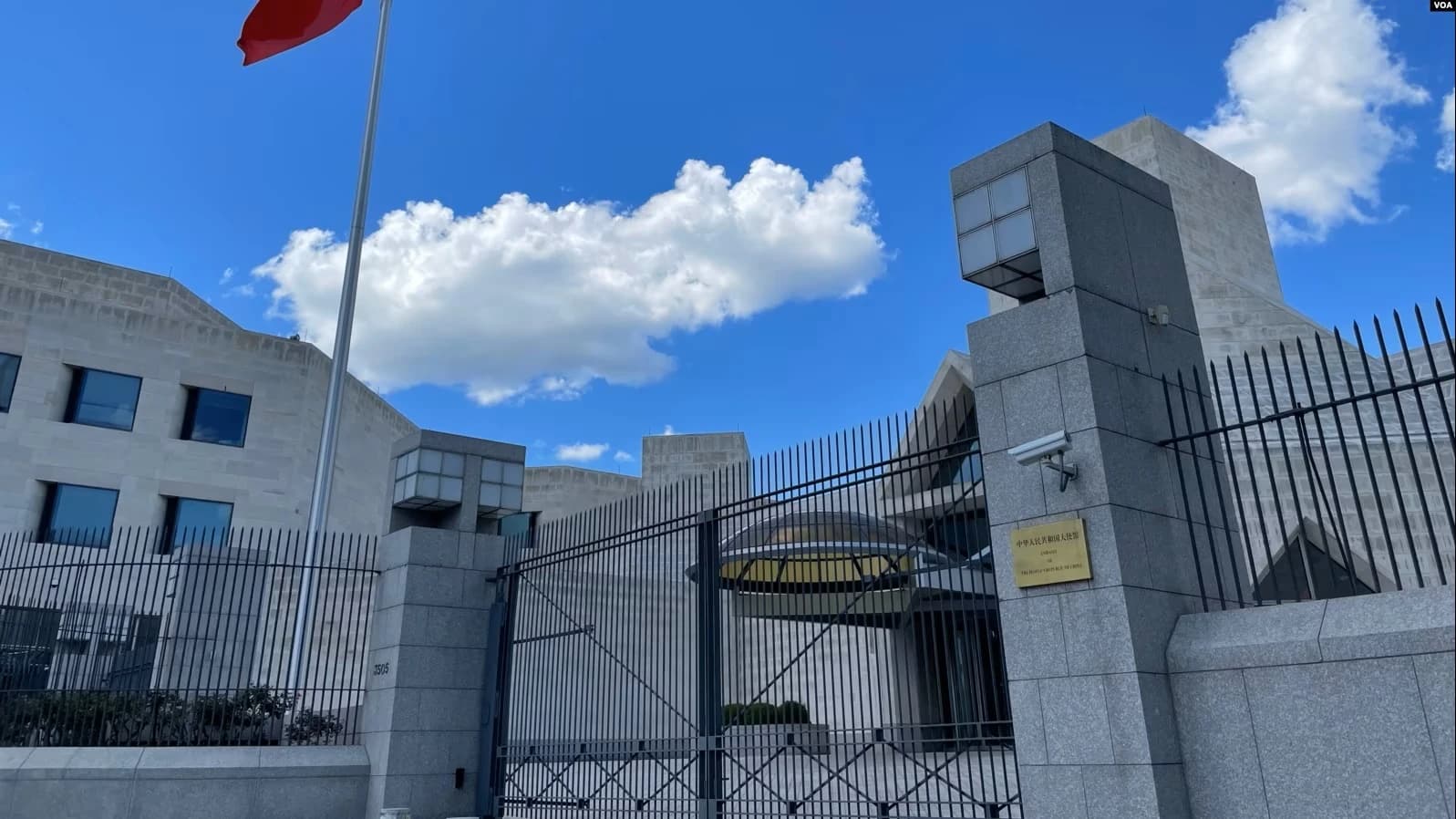
US allies in Asia are bracing for a potentially market-moving summit between Donald Trump and Xi Jinping next week, fearing Washington could soften its support for Taiwan in exchange for trade concessions from Beijing.
Trump-Xi Summit Raises Taiwan Policy Concerns

That anxiety matters because Taiwan is not only a flashpoint in the world’s most important strategic rivalry, but also a pillar of global technology supply chains. Any sign that the US is treating Taiwan as bargaining currency — rather than a security commitment — would reverberate through regional defense planning, chipmakers, and broader risk sentiment.
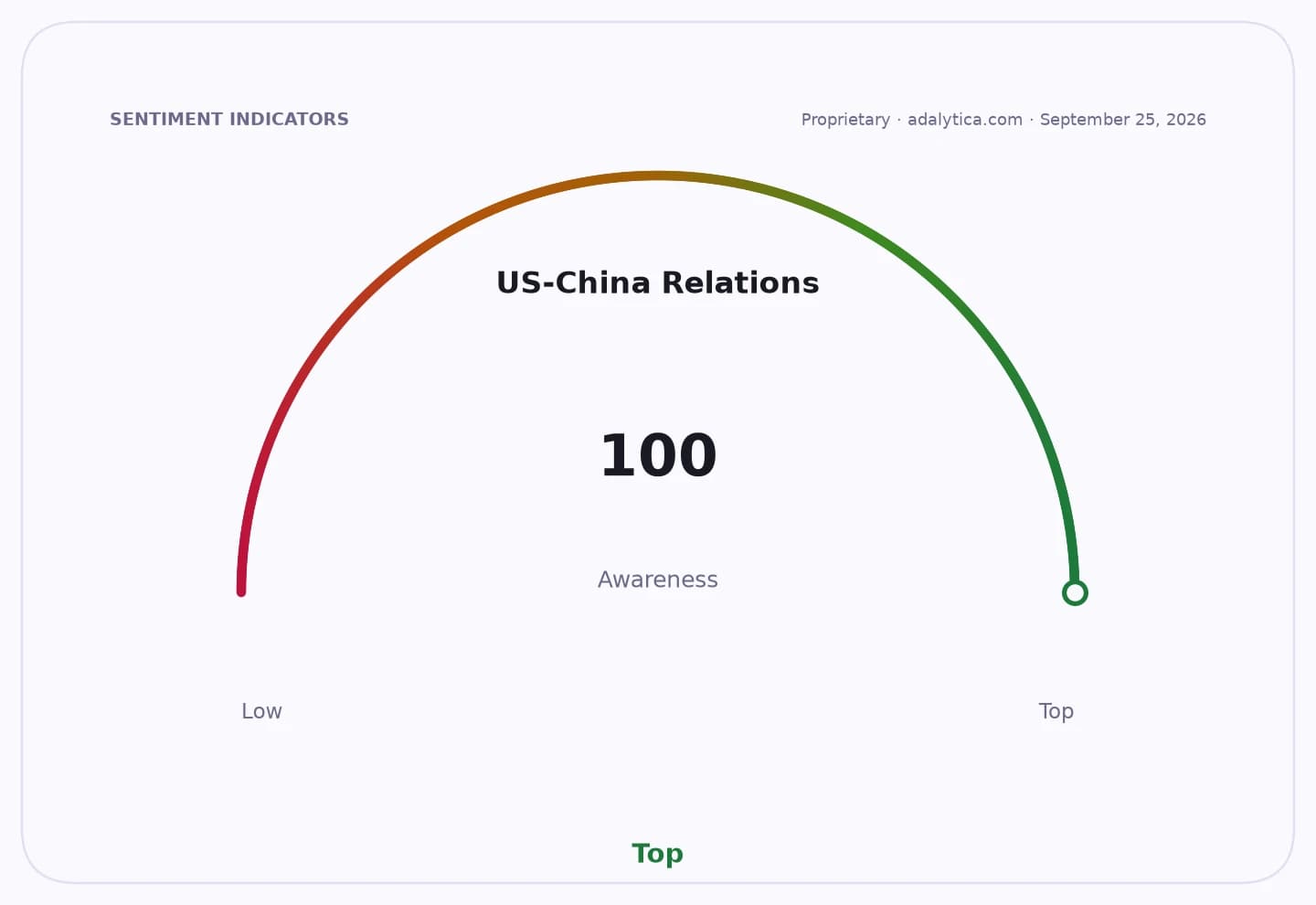
Sentiment IndicatorsⓘProprietary · adalytica.com · September 18, 2026
This is a snapshot — live sentiment, awareness and momentum for 130+ markets update continuously in the dashboard.Open AlphaPulse
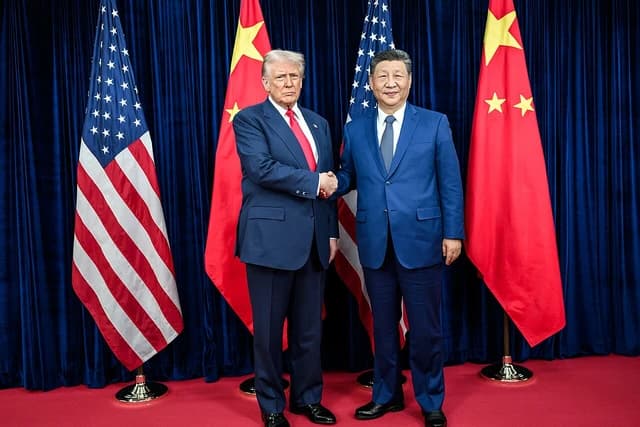
Trump’s own language has intensified the concern. In May he called US arms sales to Taiwan a “negotiating chip,” and a $14 billion package awaiting approval has become one of the clearest test cases of whether his administration will maintain traditional US policy or trade away ambiguity for an economic win. Xi is expected to press Taiwan during the Sept. 24 summit, and even a modest shift in rhetoric could be read in Beijing as a green light to harden pressure on the island.
For investors, the implications extend well beyond bilateral diplomacy. Taiwan produces more than 90% of the world’s advanced semiconductors, making any deterioration in deterrence a direct risk to the electronics, AI and industrial hardware ecosystems that depend on Taiwanese foundries. A real escalation would be a severe tail risk for global growth, but even short of that, the prospect of more volatile US-China relations can keep a lid on regional risk assets and drive demand for defensive positioning.
US-China Relations vs FXIadalytica.com
Explore this data interactively — full history, time series and cross-market comparisons.Open AlphaPulse
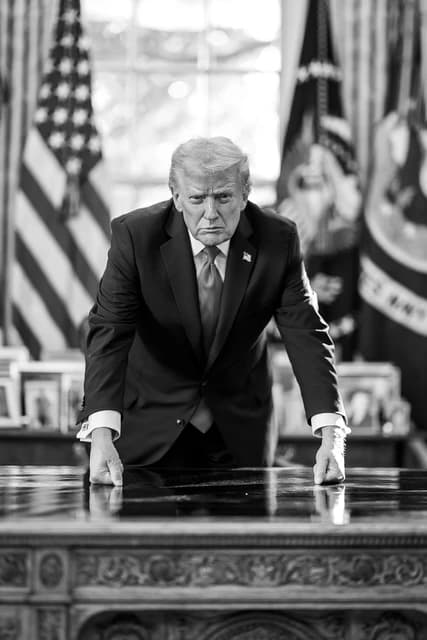
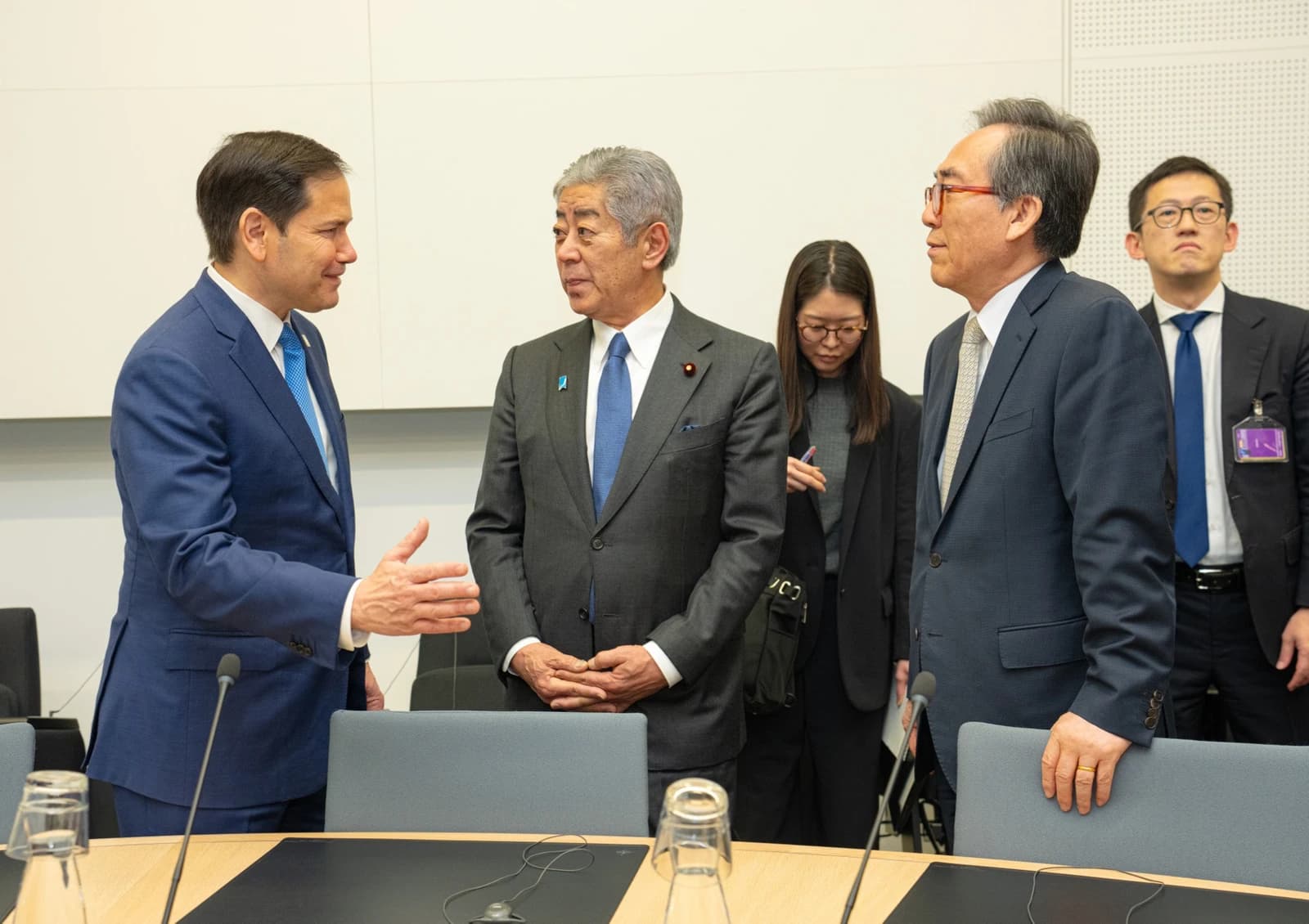
The political backdrop is also tightening in Asia. Taiwanese officials have been working to ensure no outcome “harms Taiwan,” while Japanese policymakers are trying to get Trump’s ear before the meeting, reflecting fears in Tokyo that Washington may trade strategic reassurance for promises of Chinese purchases of US goods. Japan’s concern is especially acute because any perceived softening on Taiwan would alter the regional balance of deterrence and force allies to rethink their own security assumptions.
Beijing, meanwhile, is signaling it wants the issue elevated. Chinese officials and advisers are publicly arguing that Washington must take Beijing’s concerns over arms sales more seriously, and that “reunification” would be stabilizing. That framing underscores the gap between the two sides: the US continues to operate under a one-China policy that acknowledges, but does not endorse, Beijing’s claim, while China has never renounced force and treats Taiwan as a core interest.
Markets have already had to absorb how quickly geopolitical risk can spill into prices. Global-stability gauges from Adalytica show heightened fear, while US-China relations sentiment has deteriorated even as awareness of the issue rises ahead of the summit. Exchange-traded funds tracking China and Taiwan remain well below the extreme levels seen earlier this year, suggesting investors are wary of chasing headline-driven rallies before the meeting.
The bull case is that Trump uses the summit to secure trade concessions while preserving enough diplomatic continuity to avoid a rupture. The bear case is that he uses Taiwan as a transactional lever, prompting Beijing to test US resolve and forcing Asian allies into contingency mode. Either way, the meeting is shaping up as more than a bilateral photo opportunity: it is a referendum on how much strategic value Washington is willing to attach to Taiwan in pursuit of economic gains.
| Entity | Gains | Losses |
|---|---|---|
| US exporters | ▲Potential Chinese purchase pledges | ▼Strategic leverage if Taiwan is softened |
| Taiwan | ▲Status quo deterrence if backed firmly | ▼Security if arms sales are delayed |
| China | ▲Diplomatic leverage | ▼If summit preserves US support for Taiwan |
| Asian allies | ▲Clarity from Washington if policy holds | ▼Confidence if Trump signals compromise |