Chinese parents frustrated by adult children who are unemployed, unmarried or gaming all day are spending thousands of dollars on so-called “wake up camps,” a costly form of pseudo-therapy that can leave families deeper in debt and more fractured than before.
China wake-up camps exploit parental anxiety
The cases point to a broader and highly profitable niche built on parental anxiety in a country where traditional expectations around marriage, work and filial duty remain intense. For investors, the story highlights both the size of China’s family-services market and the regulatory risk around loosely supervised counseling, education and mental-health businesses.
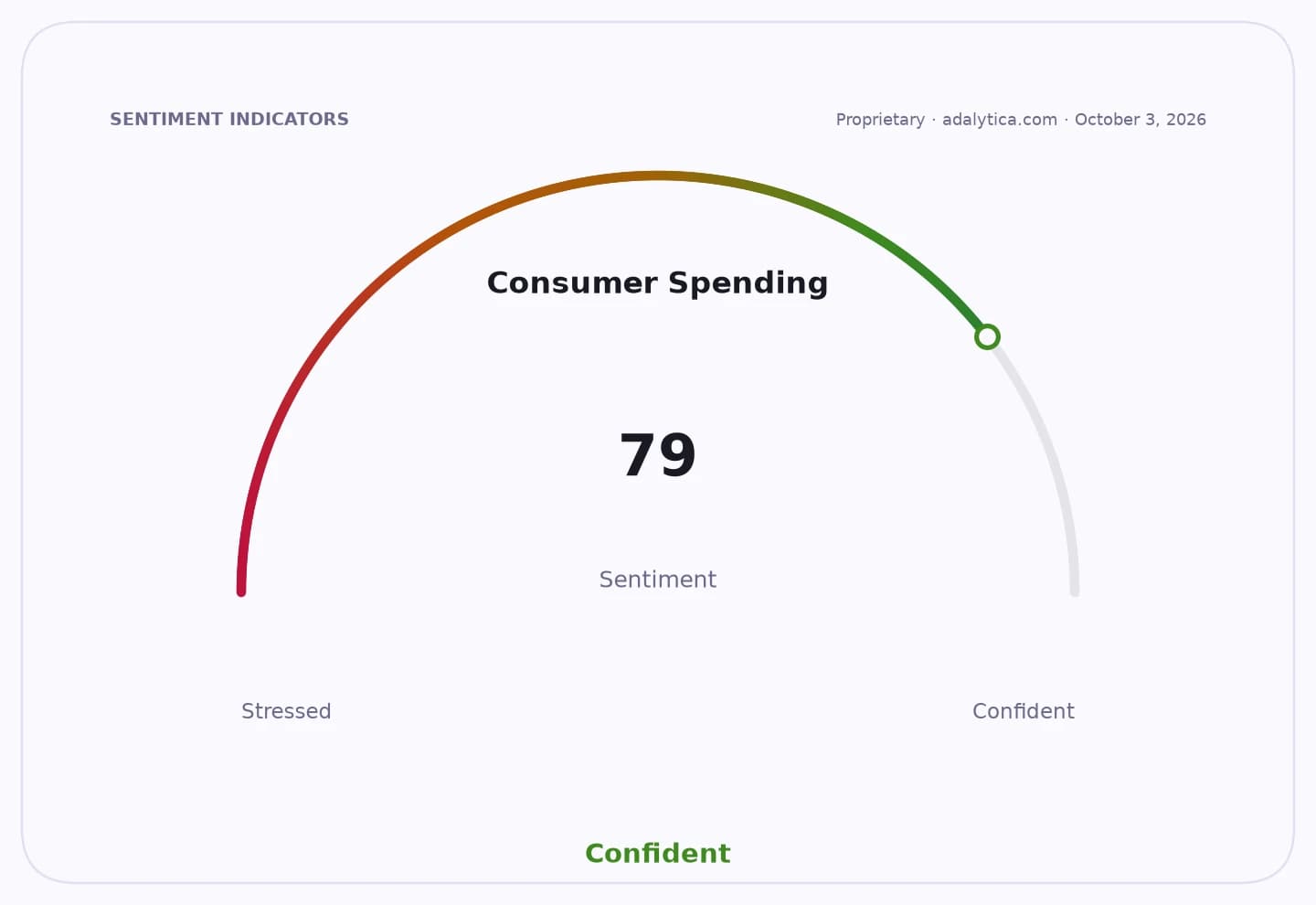
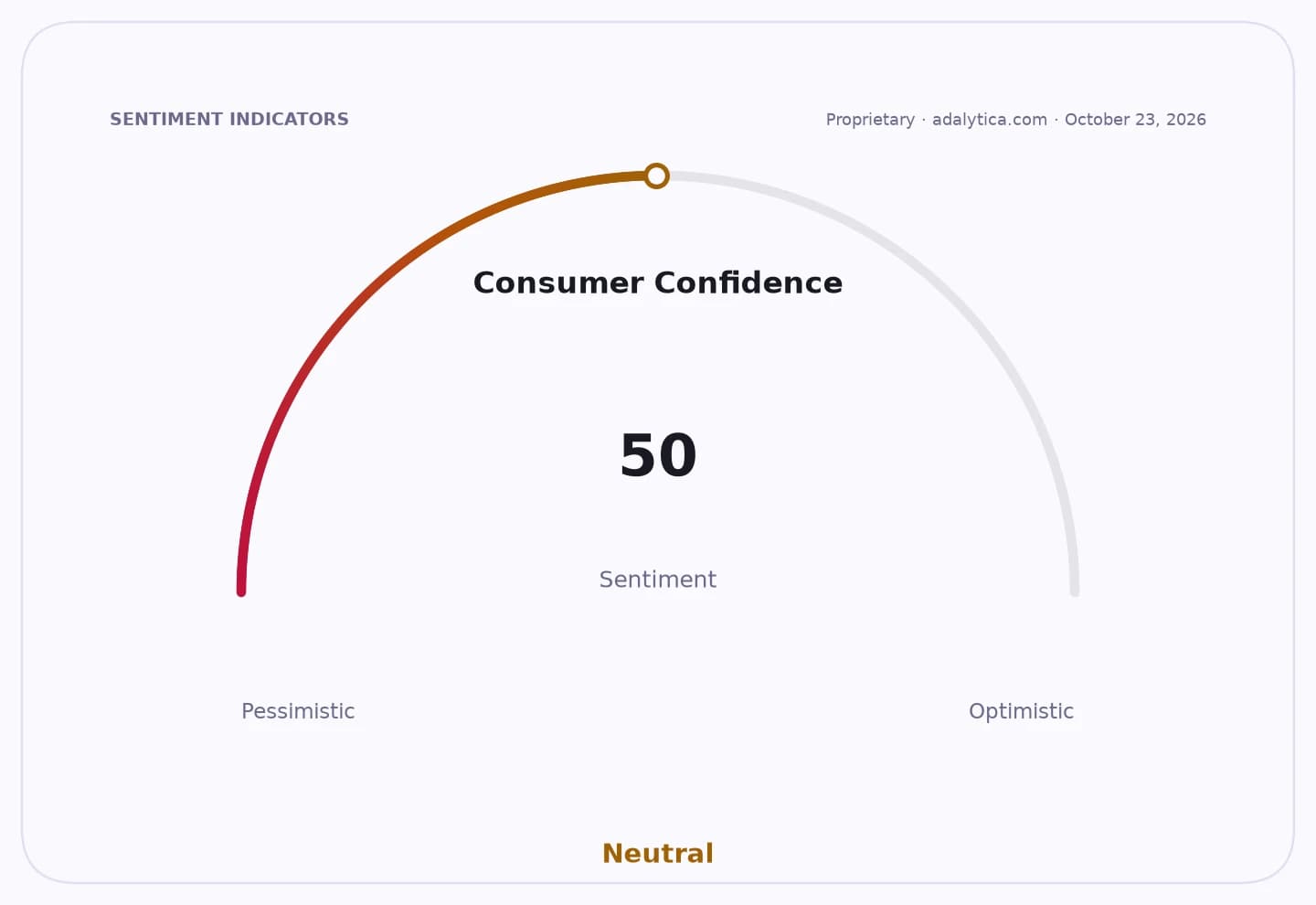
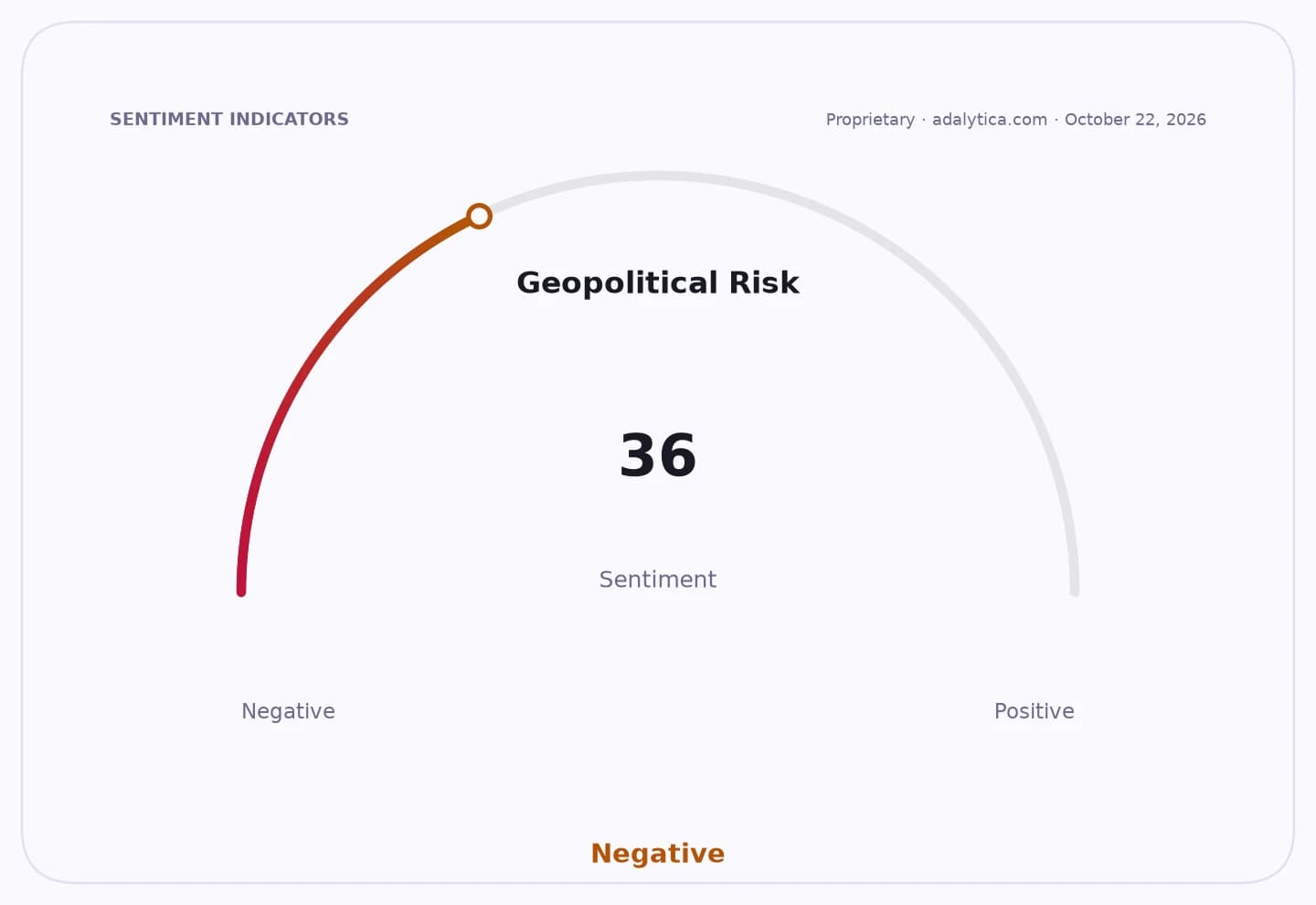
Sentiment IndicatorsⓘProprietary · adalytica.com · October 24, 2026
This is a snapshot — live sentiment, awareness and momentum for 130+ markets update continuously in the dashboard.Open AlphaPulse
One woman in Shandong paid nearly 22,000 yuan, or about $3,050, to a provider that promised to “solve” her 30-something daughter’s problems within two months through undercover intervention on WeChat. After that fell short, she was pushed into a “wise parent” camp in Jinan and then urged to buy a 100,000 yuan direct-intervention package, according to local media reports.
Another mother, from a rural area, spent $2,700 on a “playing companion expert” package for her unemployed son, then borrowed another $12,500 after being told he could suffer brain damage without urgent action. She is now carrying more than $15,000 of debt, while her husband is seeking separation, the report said.
The businesses appear to target mothers in their 40s and 50s, often in strained marriages, using guilt and fear to convert desperation into sales. Former counselor Wu Beilin said many staff lack medical credentials and typically blame the mother to create pressure, while local regulators said the providers do not need formal certification and that promises made by salespeople are often not enough to support false-advertising cases.
That legal gray zone is what makes the market vulnerable to abuse and hard to police. It also means complaints from parents are frequently left unresolved, encouraging a cycle in which families pay more for failed interventions and operators face limited accountability.
For investors, the immediate implication is less about a public market trade and more about the durability of China’s private education, youth-counseling and family-remediation businesses. The broader backdrop of weak consumer confidence and rising concern over household spending capacity raises the odds that demand persists even as trust erodes, keeping the sector risky and highly speculative.
| Entity | Gains | Losses |
|---|---|---|
| Wake-up camp operators | ▲Sales from anxious parents | ▼Regulatory scrutiny |
| Desperate parents | ▲Hope of “fixing” children | ▼Cash, savings, family ties |
| Chinese households | ▲None in the short term | ▼Debt burden, domestic stress |
| Legitimate counselors | ▲Potential demand for real care | ▼Reputation from scam-like operators |