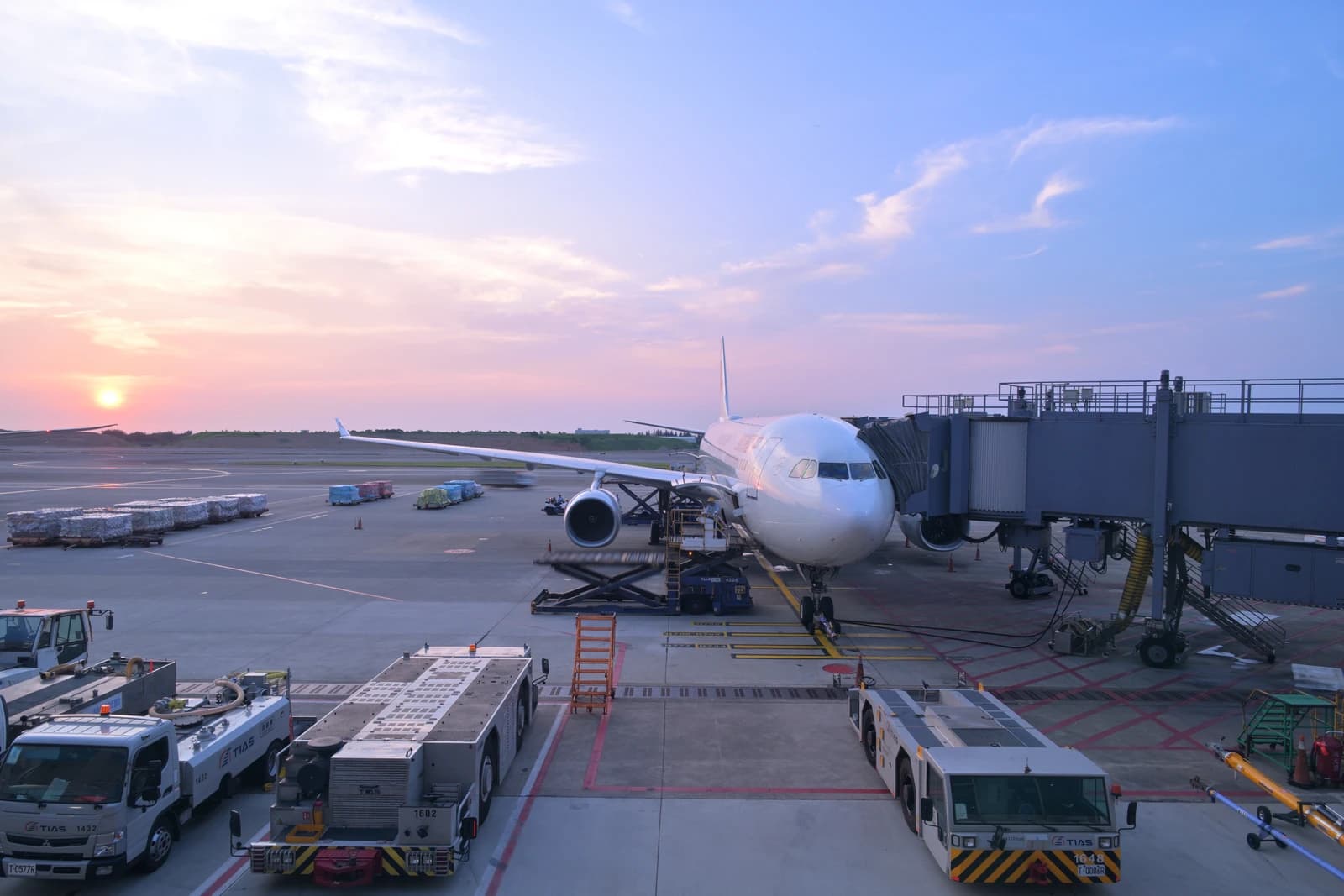
A Thai investigation has been ordered after 45 students were left stranded at Suvarnabhumi Airport when a promised study trip to China turned out never to have been booked, a case that has put travel promoters, school parents and regulators under scrutiny.
Thailand orders probe after China trip scam
The immediate economic damage is small in national terms but painful for the families involved: parents said they had already paid more than 1.7 million baht, or about $52,000, for a trip that was supposed to cost 39,900 baht per student. For investors and business owners, the bigger lesson is about trust, accountability and the reputational risk that comes when educational travel or event-organizing businesses operate with weak oversight.
Education Minister Prasert Chantararuangthong said the organiser had claimed to have an agreement with a university in China and had collected payments through a Line group after inviting students from Bangkok, Nonthaburi and Chon Buri schools. The itinerary was first set for Xi’an, then abruptly switched to Beijing days before departure, and on the travel date the airline confirmed there were no tickets in place. That sequence suggests a classic prepayment scam rather than a failed logistics operation.
Parents told local media they had trusted the organiser because he appeared linked to the Office of the Basic Education Commission and had been seen on official websites and television programmes. That is what makes this matter economically relevant beyond the families themselves: when public-facing credentials are used to sell private services, the fallout can spread quickly into schools, education agencies and the broader travel sector, raising compliance costs and damaging consumer confidence.
The organiser reportedly refunded some parents from one school but others were still waiting for their money, according to the minister. That leaves open questions about how much of the 1.7 million baht can be recovered, whether the payments were held in any protected account and what enforcement tools authorities will use if fraud is confirmed.
For investors, the broader takeaway is not about one cancelled excursion. It is about the growing premium on verified bookings, transparent intermediaries and brands that can prove they deliver what they sell. In a market where reputation can be built over years and lost in a day, companies that handle student travel, education services and group tourism with strong controls are the ones most likely to win repeat business.
If the probe confirms wrongdoing, expect closer scrutiny of organisers selling overseas trips through social media and informal messaging channels. For long-term investors, that makes compliance, brand trust and customer safeguards worth watching in any business tied to travel, education or prepaid consumer services.
| Entity | Gains | Losses |
|---|---|---|
| Parents and students | ▲Faster scrutiny, possible refunds | ▼Money tied up, travel plans disrupted |
| Thai regulators | ▲Chance to tighten oversight | ▼Pressure over weak checks |
| Legitimate travel organizers | ▲Trust in verified operators | ▼Reputational spillover from scams |
| Scam suspect / organiser | ▲Short-term cash collected | ▼Legal exposure, reputation collapse |