Thailand’s tourism chief is trying to contain the fallout from a new Chinese embassy safety warning, saying the alert is aimed at a narrow set of high-profile travelers and is unlikely to dent the country’s 2026 visitor target from China.
Thailand Tourism Chief Downplays China Safety Warning
The Tourism Authority of Thailand and the Association of Thai Travel Agents still expect 5 million to 5.5 million Chinese arrivals this year, underscoring how important the market remains to Thailand’s tourism-led economy. Chinese visitors are a major source of hotel occupancy, retail spending and airline traffic, so even a modest slowdown would ripple through earnings across the sector.
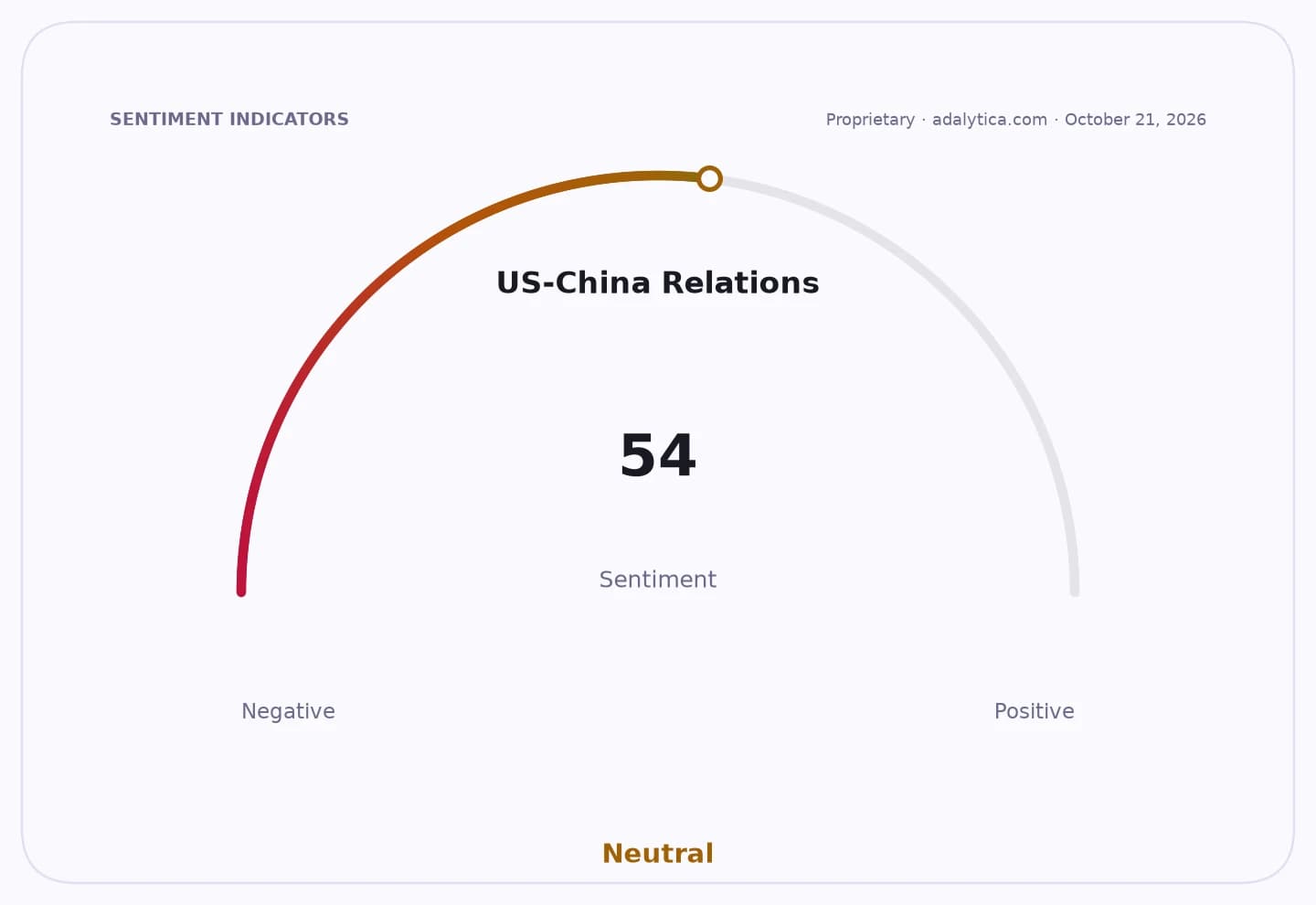
Sentiment IndicatorsⓘProprietary · adalytica.com · October 24, 2026
This is a snapshot — live sentiment, awareness and momentum for 130+ markets update continuously in the dashboard.Open AlphaPulse
The embassy warning follows concern over transnational job scams and kidnappings near the Thailand-Myanmar border, but Thai officials are pushing back hard, saying ordinary holidaymakers visiting Phuket, Chiang Mai and Bangkok are not the target. They say the risk is concentrated among actors, influencers and job seekers lured by fake casting calls and employment offers, not the broader tourist base.
The message matters for investors because Thailand’s tourism recovery has been one of the country’s clearest growth drivers, and China remains the single most watched inbound market. Any perception that safety warnings could spread into mass cancellations would hit travel operators, hotels, retailers and transport companies that depend on Chinese demand.
The issue also lands against a mixed backdrop for travel stocks. Tripadvisor shares have been volatile, with the stock closing at $9.41 on Oct. 23, below its 200-day moving average of $11.15, while short-term momentum has improved from earlier in the year. The broader theme for investors is whether regional travel demand can stay resilient even as geopolitical and security headlines keep pressure on consumer confidence.
Thai authorities say they are tightening enforcement against scam networks and coordinating with foreign agencies to restore confidence, while travel agents work to reassure customers that typical leisure trips remain unaffected. The next test is whether booking trends hold through the peak travel season and whether the embassy warning stays limited to a niche group or starts to weigh on broader Chinese outbound travel.
| Entity | Gains | Losses |
|---|---|---|
| Thailand tourism operators | ▲Stable Chinese arrivals | ▼Fear-driven cancellations |
| Chinese travelers | ▲Clearer safety guidance | ▼Confidence in Thailand trips |
| Hotels, airlines, retailers | ▲Continued spending | ▼Lower inbound traffic |
| Scam networks | ▲Disruption by police | ▼Easier access to targets |