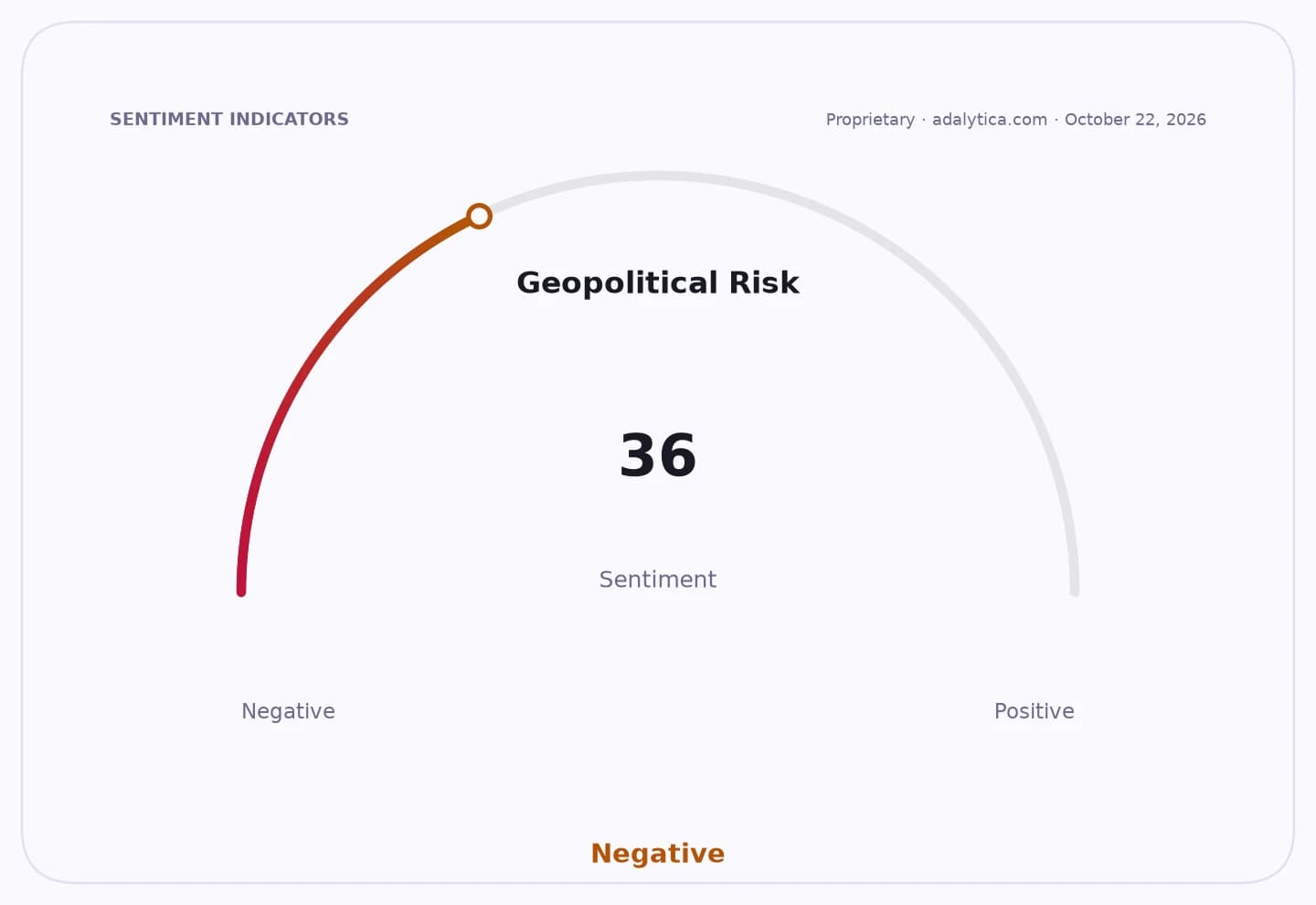
Poland’s labor market is being used as bait in a cross-border recruitment scam that promises legal jobs and high wages to Latin Americans, then traps them in punishing 16-hour shifts and overcrowded housing. The warning matters because this is not just a consumer fraud story — it is a labor, migration and platform-risk problem that shows how quickly online recruitment can be weaponized across borders.
Poland Labor Scam Hits Latin American Migrants
The alarm centers on fake offers circulating on Facebook, Instagram and WhatsApp, where recruiters dangle monthly pay advertised at 15 million to 20 million guaraníes, only to leave workers facing grueling schedules and conditions far removed from what was promised. Victims say employers often gloss over the fine print on shared accommodation, with as many as eight to 10 people packed into a single room and couples sometimes forced to sleep alongside other couples.
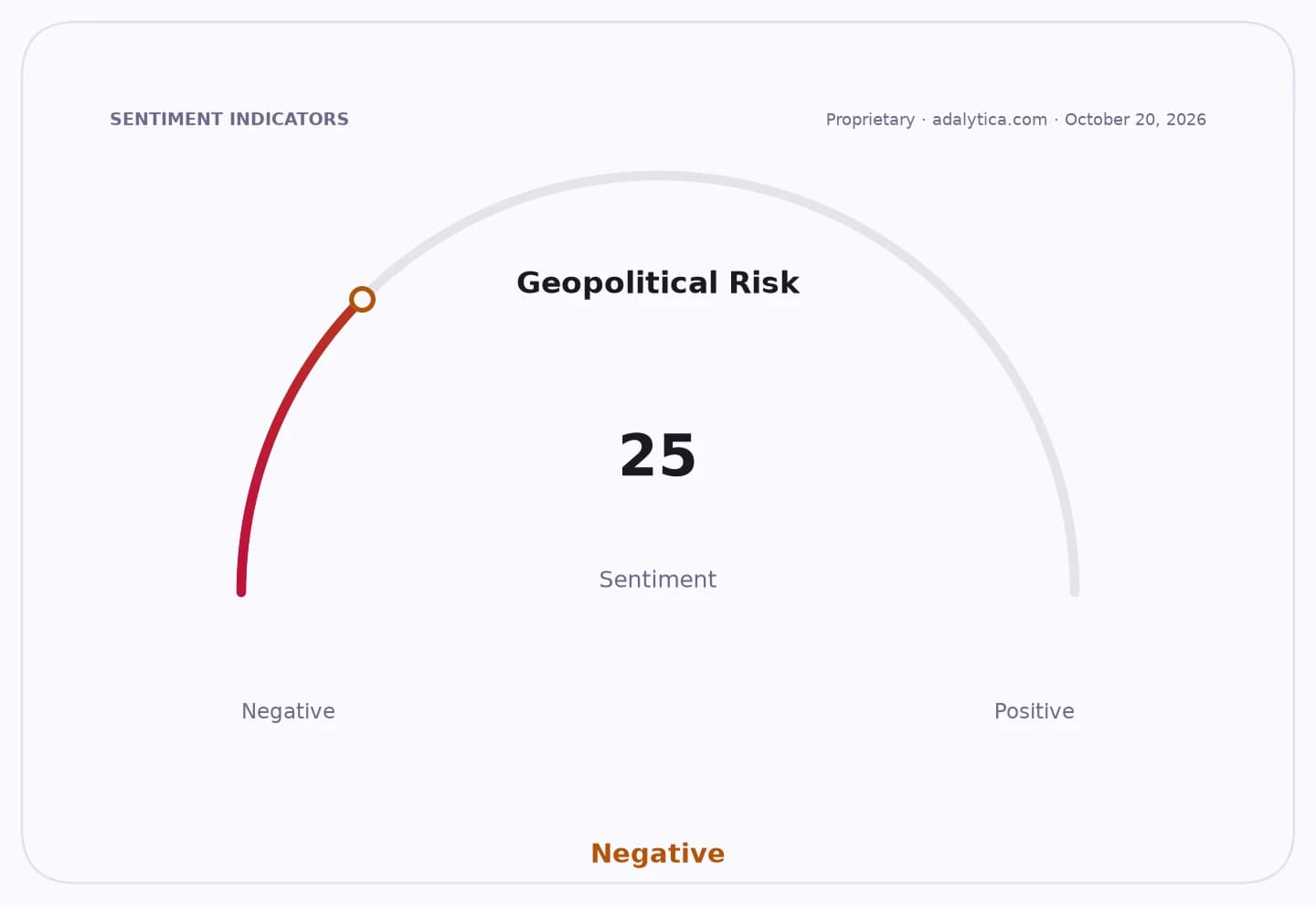
Sentiment IndicatorsⓘProprietary · adalytica.com · October 20, 2026
This is a snapshot — live sentiment, awareness and momentum for 130+ markets update continuously in the dashboard.Open AlphaPulse
That makes the scam economically significant in two ways. First, it exploits wage differentials between emerging-market workers and Central European labor demand, turning a legitimate migration channel into a fee-and-fraud pipeline. Second, it pushes costs back onto families and communities in Paraguay and elsewhere, where migrants often leave under false expectations and then hide the reality from relatives to avoid alarm.
For investors, the broader lesson is that labor mobility is becoming an operational and reputational risk for any company that relies on social platforms, staffing intermediaries or cross-border recruitment. Meta and other platforms have already warned in SEC filings about deceptive and fraudulent advertising, misinformation and international operating risks. The same channels that sell products can also sell counterfeit jobs, and the compliance burden is rising as governments scrutinize online marketplaces and messaging apps more closely.
The story also fits a wider pattern of digital fraud that is spreading across geographies and victim profiles, from investment cons to impersonation schemes. Adalytica’s Global Stability Sentiment remains neutral overall at 68, but awareness is still in extreme fear territory at 4, underscoring how fragile trust remains around online offers and cross-border transactions. That kind of distrust can tighten labor flows, increase recruitment costs and force platforms and agencies to spend more on verification.
The investable takeaway is straightforward: the market should be paying more attention to the hidden compliance winners from online-fraud crackdowns — identity verification, cybersecurity, trusted payments and regulated staffing — while remaining cautious on platforms and recruiters exposed to abuse in messaging-based job markets. The winners are the firms that can prove who is hiring and who is being hired; the losers are the opaque middlemen.
| Entity | Gains | Losses |
|---|---|---|
| Job verification and compliance firms | ▲Higher demand | ▼N/A |
| Messaging and social platforms | ▲More scrutiny | ▼Reputation risk |
| Legitimate recruiters | ▲Trust advantage | ▼Pressure on margins |
| Migrant workers | ▲Better protection | ▼Fraud losses, abusive conditions |