The U.S. has kept China in the lowest Tier 3 category in its 2026 human trafficking report, a designation that could keep pressure on Washington’s policy toward Beijing and reinforce investor concerns over forced-labor exposure in global supply chains.
U.S. keeps China in Tier 3 trafficking report
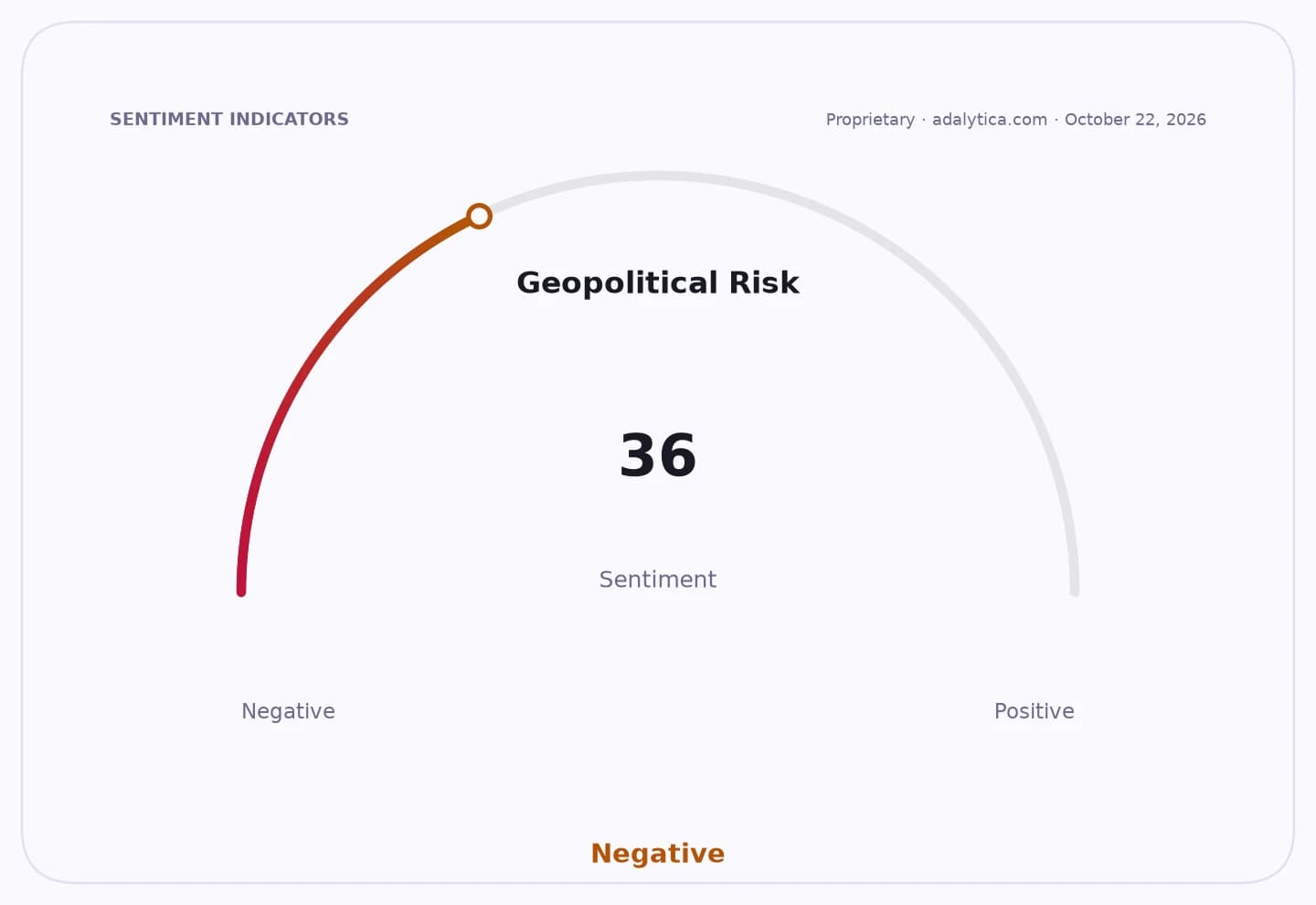
The State Department’s annual ranking matters because Tier 3 countries are judged to be failing to meet minimum standards to combat trafficking and not making significant efforts to do so. Under U.S. law, that can trigger limits on certain non-humanitarian, non-trade foreign aid, although presidential waivers and other exceptions remain available.
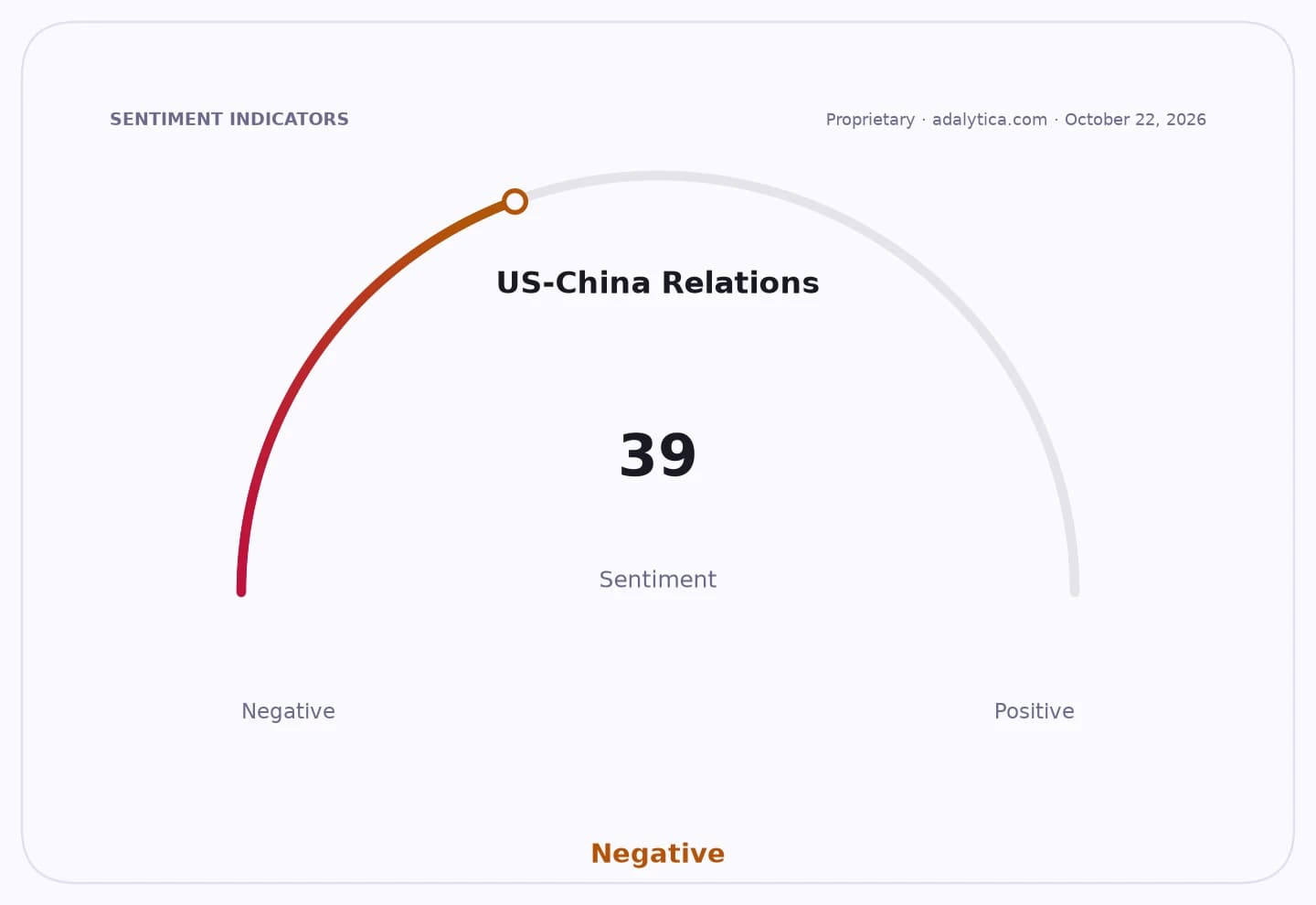
Sentiment IndicatorsⓘProprietary · adalytica.com · October 22, 2026
This is a snapshot — live sentiment, awareness and momentum for 130+ markets update continuously in the dashboard.Open AlphaPulse
This year’s report goes beyond the ranking and broadens the economic case for tougher scrutiny. It says there is evidence of government policy or systemic practice in 12 countries, including China, around trafficking, forced labor in state-linked sectors and abuse tied to government-backed programs. It also flags China-linked criminal networks that have expanded beyond Southeast Asia into other regions, running scam centers that use forced labor and coercion to carry out online fraud.
The report estimates that U.S. citizens lost at least $18.2 billion in 2025 to scam networks based in Southeast Asia, a figure that underscores how the issue has become a consumer-protection, cybercrime and cross-border financial crime problem, not just a human-rights one. It said people in more than 125 countries were targeted through crypto investment fraud, romance scams and illegal online gambling, with criminal groups increasingly using artificial intelligence, automation and cryptocurrency to scale operations.
That combination matters for investors because it keeps supply-chain risk, sanctions risk and reputational risk in the frame for companies with China exposure, especially in manufacturing, retail and online commerce. Amazon and Walmart have both disclosed China-linked supplier concentration and trade-risk sensitivities in recent filings, while the China-heavy FXI ETF and broader China proxies remain vulnerable to any escalation in U.S. policy pressure.
The report also renews scrutiny of Xinjiang, where it says concerns persist over arbitrary detention and forced labor affecting Uyghurs, ethnic Kazakhs, ethnic Kyrgyz and other minority groups. It alleges that poverty-alleviation, vocational training and labor-transfer programs have been used to push minorities into manufacturing and other sectors under coercive conditions.
For markets, the immediate impact is less about direct sanctions than about the risk premium tied to China-related assets and multinational supply chains. China ETF MCHI slipped to $49.02 on Thursday from $50.05 a day earlier, while FXI fell to $32.45, with both funds below their 50-day and 200-day moving averages. Alibaba also fell to $101.82, extending a recent slide, as traders continue to price in geopolitical and regulatory friction alongside weaker China sentiment.
The report urges governments to expand investigations, curb public corruption and improve victim protections, while warning that people forced into scam operations should not be treated simply as criminals if they are themselves trafficking victims. The next risk for investors is whether the ranking feeds into fresh U.S. restrictions, tighter enforcement on imports linked to forced labor, or broader pressure on firms operating through China-linked supply chains.
| Entity | Gains | Losses |
|---|---|---|
| U.S. policymakers | ▲leverage on China | ▼diplomatic friction |
| China-linked suppliers | ▲none | ▼forced-labor scrutiny |
| Multinational importers | ▲clearer compliance focus | ▼higher supply-chain risk |
| China ETFs / ADRs | ▲possible oversold bounce | ▼policy overhang |