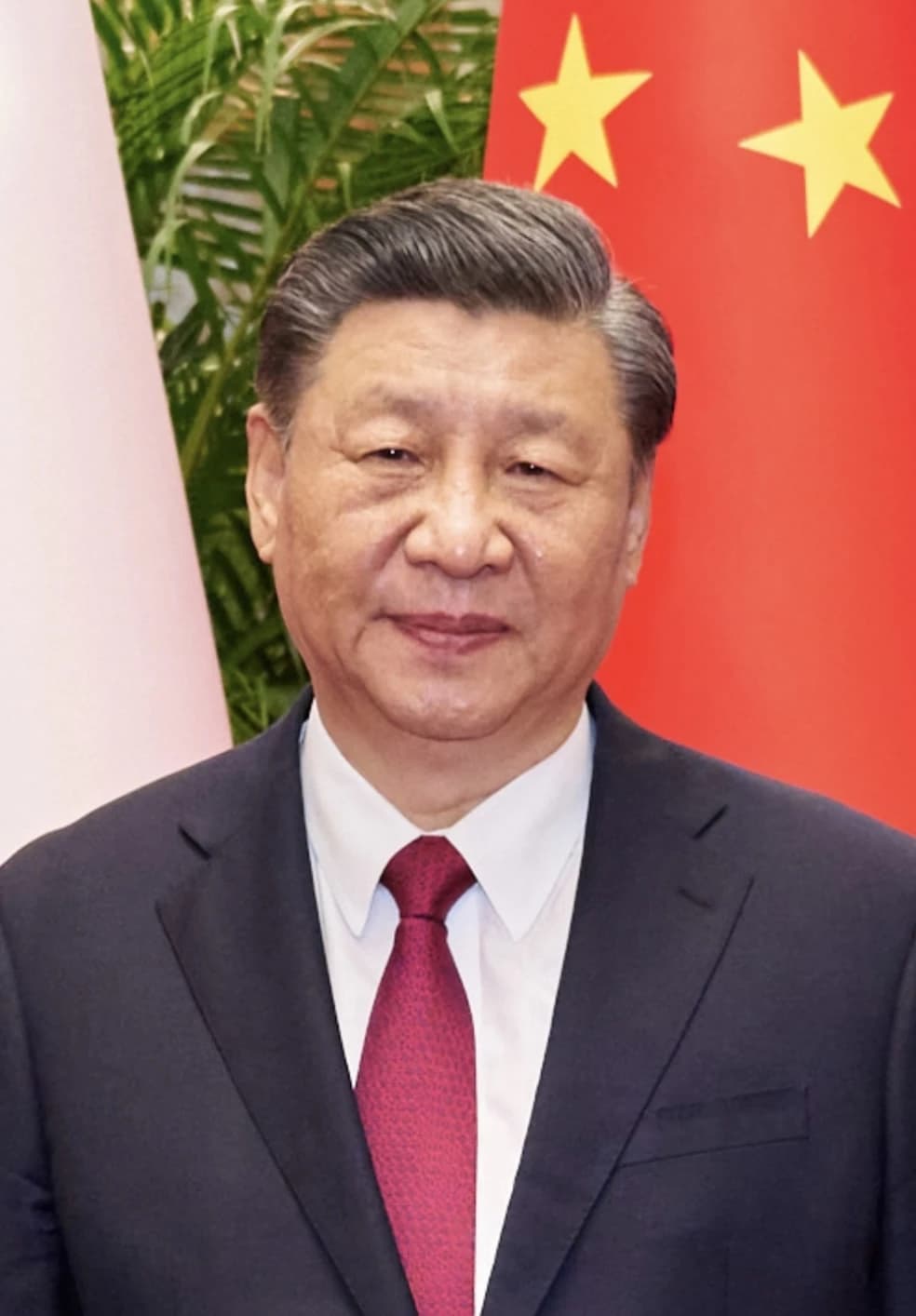
China used a friendship-and-exchange conference in Urumqi to showcase its Xinjiang governance model to invited foreign guests, a diplomatic effort that matters because the region remains one of Beijing’s most scrutinized domestic and geopolitical flashpoints.
China Xinjiang conference highlights governance message
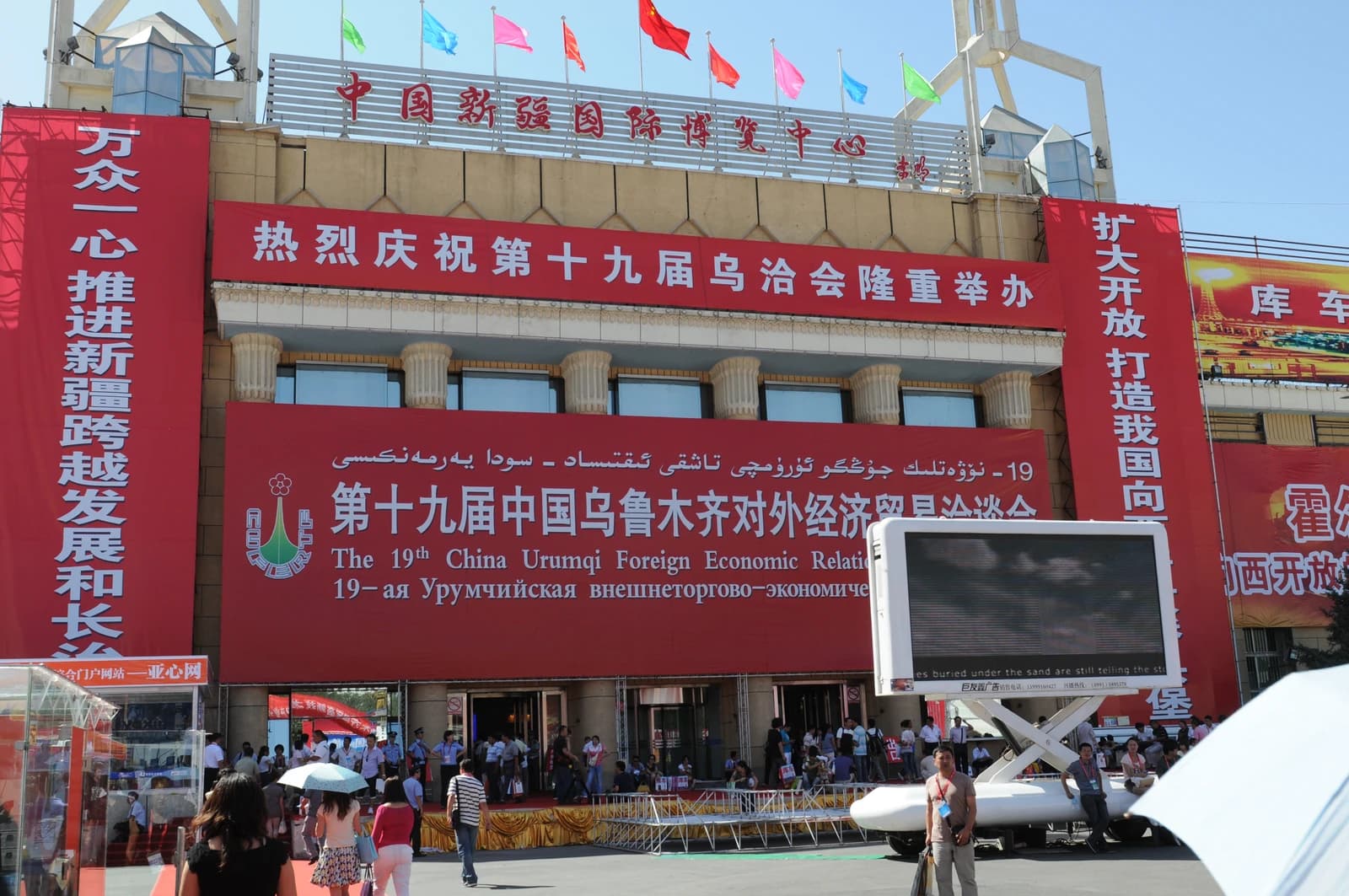
The event is less about local pageantry than about narrative control. For Beijing, Xinjiang is both a security priority and a test case for stability, ethnic policy and development-led statecraft. By bringing distinguished international guests to Urumqi, Chinese authorities are seeking to frame the region as orderly, economically active and globally relevant at a time when Western governments continue to raise human-rights concerns and impose or maintain related restrictions.
That matters economically because Xinjiang sits at the intersection of industrial policy, supply chains and cross-border trade routes linked to the Belt and Road framework. Any improvement in the perception of stability can support investment, logistics, tourism and trade flows, while any escalation in international criticism risks adding friction to companies exposed to China supply chains, especially in sectors where traceability and sanctions compliance remain sensitive.
For investors, the immediate market read-through is limited but not negligible. The conference is another signal that Beijing intends to defend its policy position on Xinjiang and keep the region embedded in its broader growth and security agenda. That can help anchor expectations for infrastructure spending and state-backed development, but it also suggests the diplomatic dispute over the region is not receding. Companies with exposure to Chinese manufacturing, agricultural commodities, solar supply chains or shipping routes remain vulnerable to scrutiny over sourcing and reputational risk.
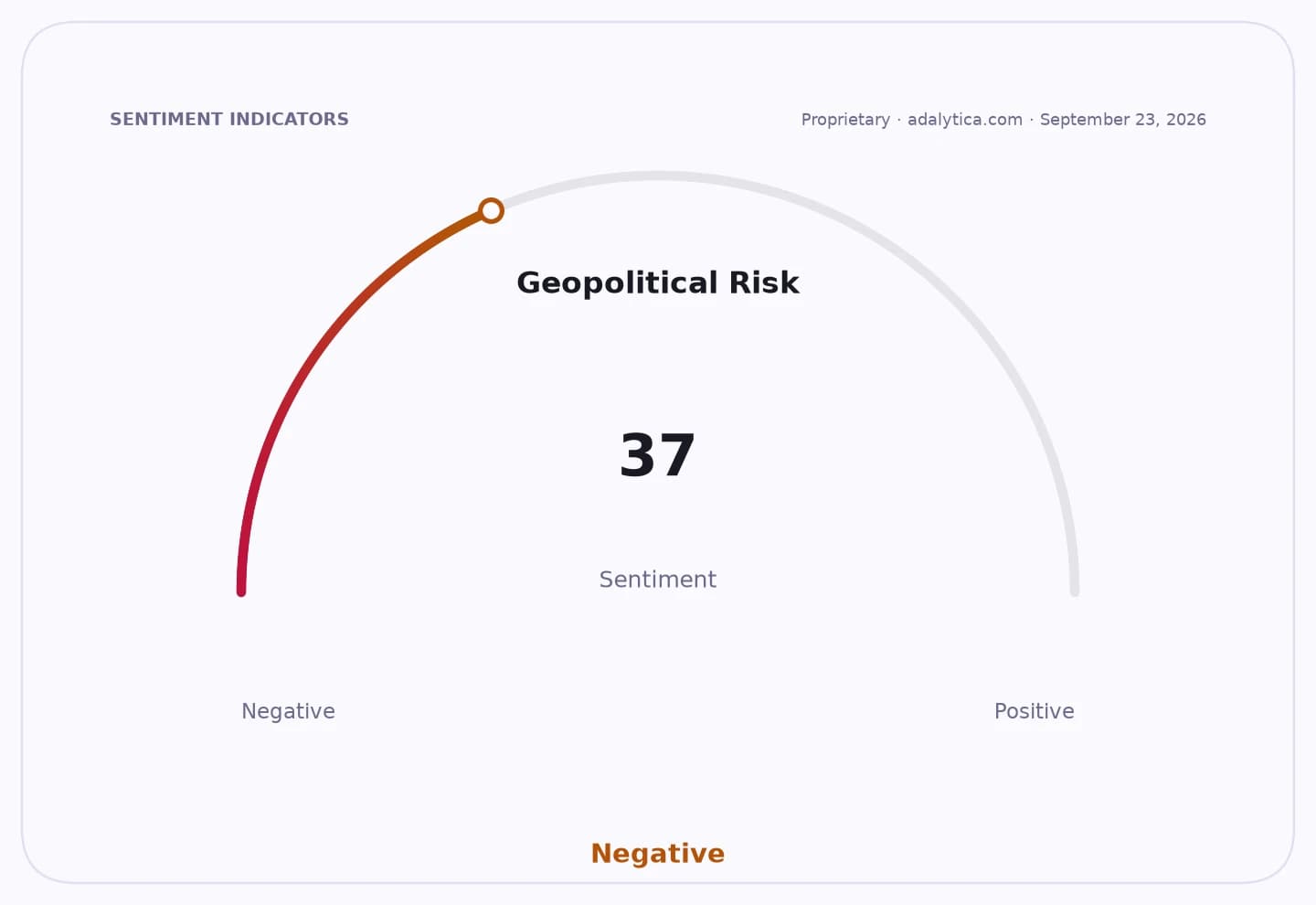
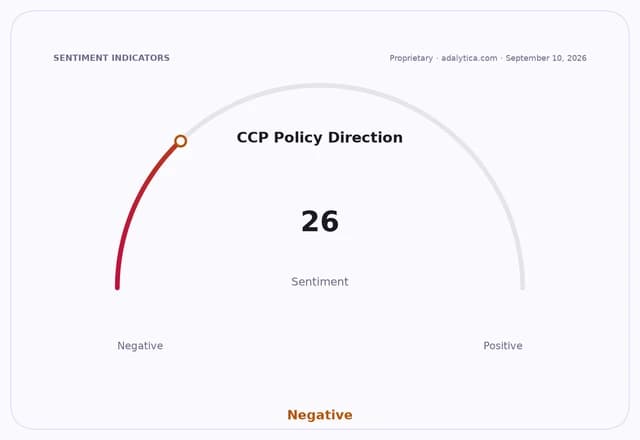
The message also lands in a broader environment where global stability sentiment is neutral and China policy-direction sentiment is notably weak. In that setting, any official effort to project confidence around Xinjiang is meant to reassure domestic audiences and foreign counterparts that Beijing can manage political risk while sustaining growth. The bull case is that the region’s strategic location and resource base keep it central to China’s western development strategy. The bear case is that persistent geopolitical backlash keeps the discount on Xinjiang-linked assets, supply chains and counterparties in place.
For now, the conference signals continuity rather than a policy shift: Beijing is doubling down on its Xinjiang narrative, and investors should expect the region to remain a source of geopolitical noise even when it is being presented as a model of stability.
| Entity | Gains | Losses |
|---|---|---|
| China authorities | ▲Narrative control | ▼External criticism |
| Xinjiang development agenda | ▲Visibility | ▼Reputational discount |
| Belt and Road-linked trade | ▲Stability framing | ▼Compliance scrutiny |
| Foreign skeptics | ▲— | ▼Access to influence |