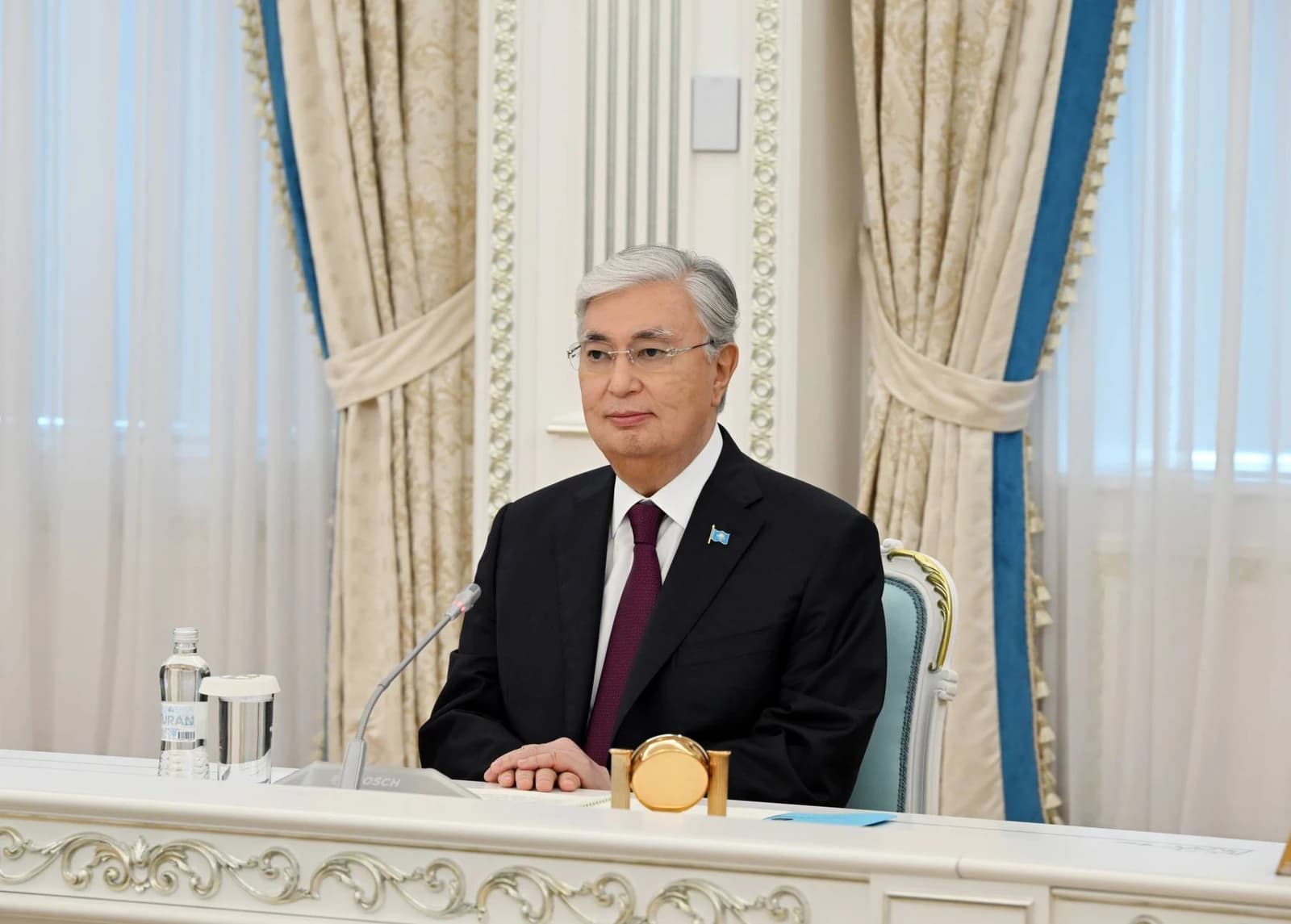
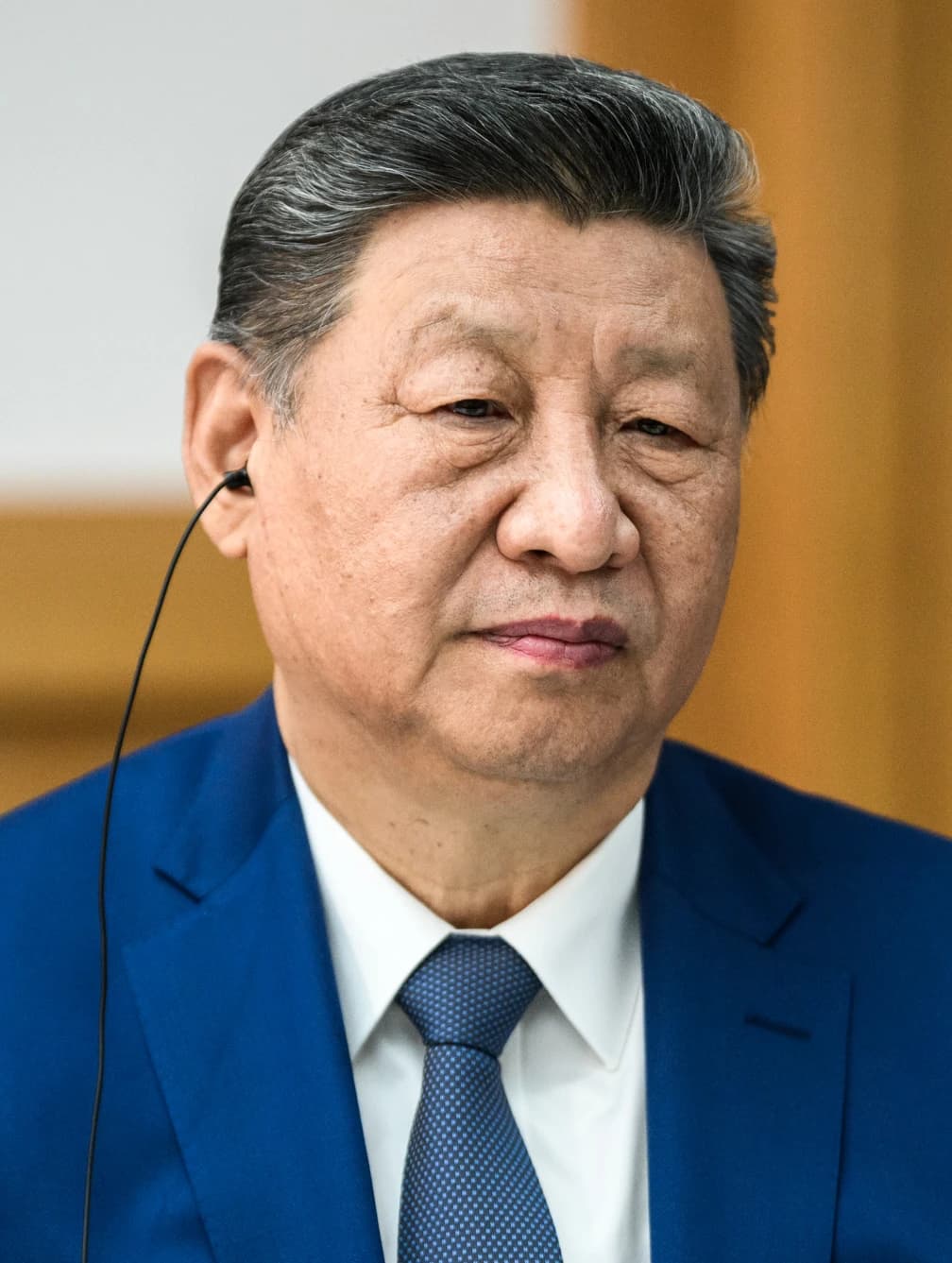
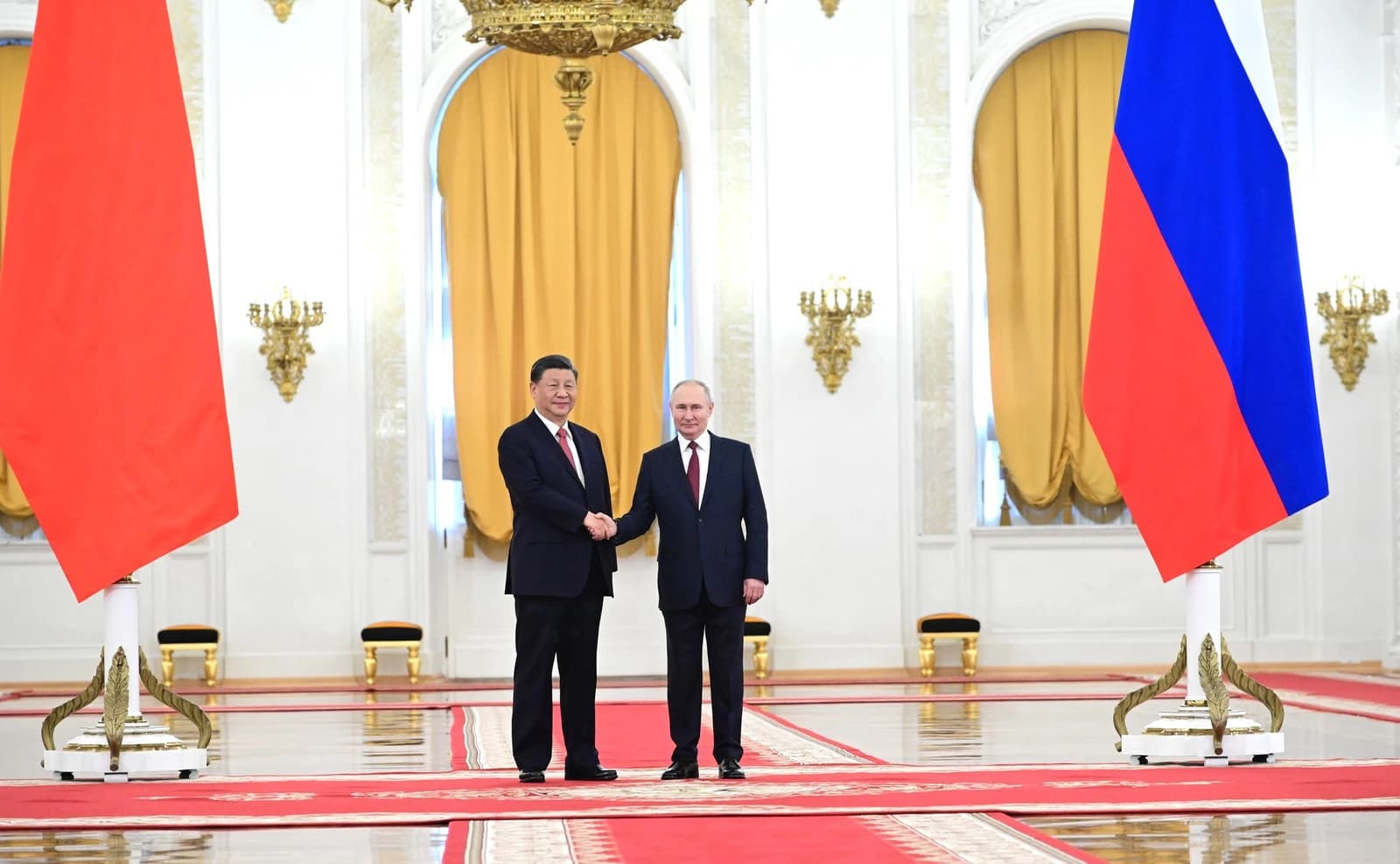
China and Kyrgyzstan used Xi Jinping’s quiet state visit to lock in a treaty of “eternal” friendship and 33 cooperation documents, underscoring Beijing’s bid to deepen its economic and strategic foothold in Central Asia at a time when the region’s transport routes and resource links are becoming more contested.
China and Kyrgyzstan sign friendship treaty
The most important takeaway for markets is not the symbolism of the language, but the hardening of China’s role as Kyrgyzstan’s dominant trade and investment partner. Kyrgyz President Sadyr Japarov explicitly described China that way and pointed to continued participation in Belt and Road projects, a signal that Beijing will remain central to funding and building the region’s roads, rail links and border infrastructure.
Sentiment IndicatorsⓘProprietary · adalytica.com · September 7, 2026
This is a snapshot — live sentiment, awareness and momentum for 130+ markets update continuously in the dashboard.Open AlphaPulse
That matters economically because Kyrgyzstan sits on a route China wants to use to move goods westward through Central Asia, and the most visible project is the China-Kyrgyzstan-Uzbekistan railway. The line is still incomplete and its onward path is not yet fully clear, but the treaty and associated agreements on transport infrastructure, border issues and agriculture reinforce the idea that Beijing is positioning for a longer-term logistics corridor rather than near-term trade disruption.
The deal also carries geopolitical value because it narrows room for rival influence. A Russian regional expert quoted in Russian media said the United States has no major projects in Kyrgyzstan, while China already has the rail corridor and the bulk of parallel imports moving through the country. That leaves Washington’s efforts, including talk of a Trump-branded transit corridor, facing both political and practical limits.
For investors, the immediate market read is more about directional confirmation than a tradable shock. Chinese equities tied to cross-border commerce and infrastructure could benefit if the Central Asia route gains momentum, while the broader message supports China’s long-term logistics and trade narrative even as tensions with the West remain elevated. The Adalytica US-China relations gauge shows sentiment at 100, or “Extreme Greed,” while global stability sentiment is only 30, reflecting the combination of strategic cooperation and geopolitical strain.
The key risk is execution. The railway still lacks a clear finish line beyond Uzbekistan, and alternative onward routes through Iran, Afghanistan or Pakistan are constrained by politics, unfinished infrastructure or security problems. Any progress in the coming months on rail construction, border agreements or financing will be the next signal for how far this friendship treaty can translate into real trade flows.
| Entity | Gains | Losses |
|---|---|---|
| China | ▲Deeper Central Asia access | ▼Higher exposure to regional politics |
| Kyrgyzstan | ▲More investment and infrastructure | ▼Greater dependence on Beijing |
| US | ▲Limited strategic leverage | ▼Influence in Kyrgyzstan |
| Traders in China-linked infrastructure | ▲Potential corridor upside | ▼Delay risk from unfinished routes |