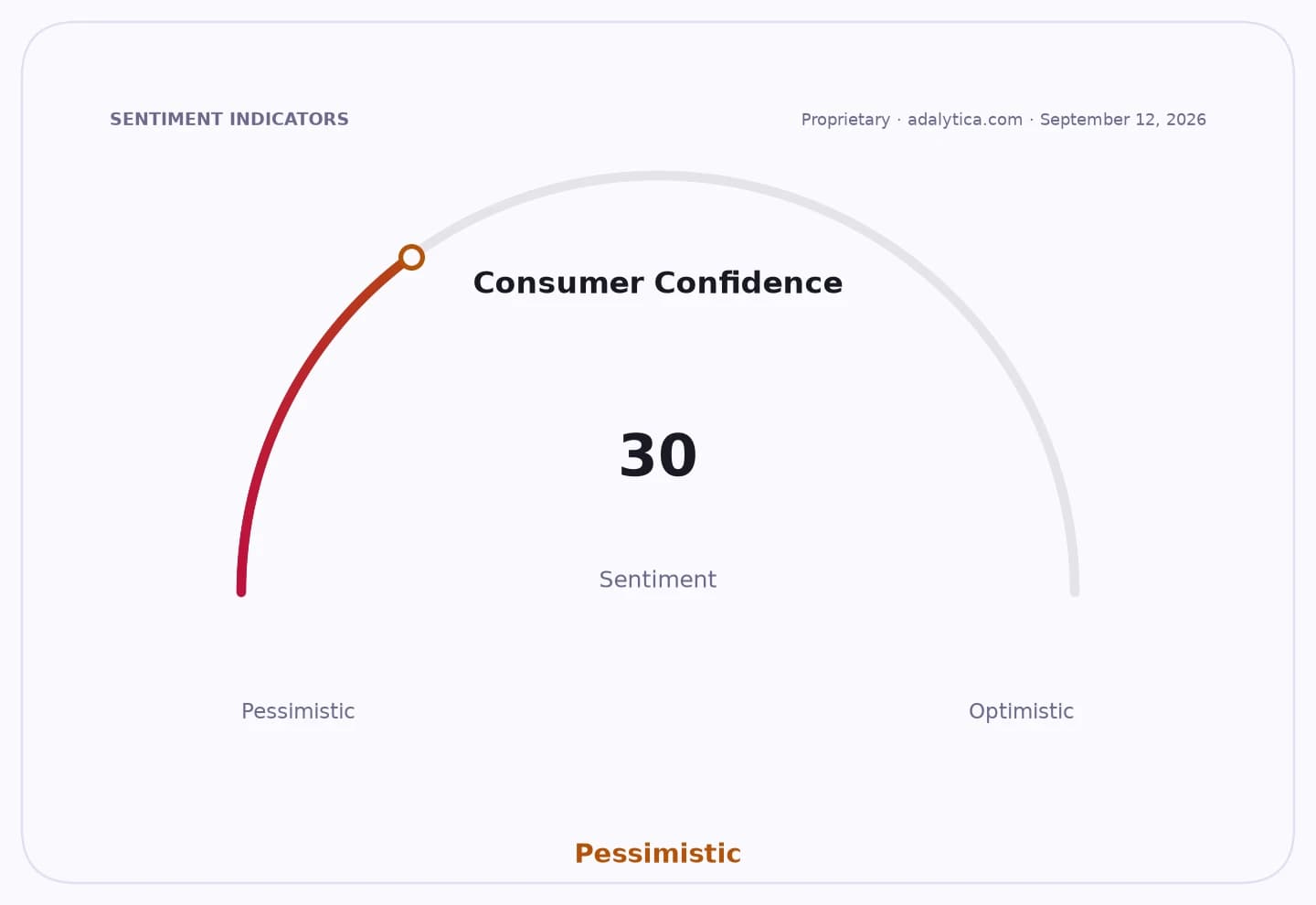
China’s youth unemployment climbed to 18.9% in August, underscoring how a record graduation wave and the rapid spread of artificial intelligence are tightening pressure on the world’s second-largest economy’s job market.
China Youth Unemployment Rises to 18.9% in August
The increase from 17.9% in July shows how quickly conditions are worsening for young workers just as about 12.7 million university graduates enter the labor force after the summer. For Beijing, the data adds another layer of strain to an economy already grappling with weak domestic demand and slower growth, where creating enough white-collar and trainee positions has become harder.
Sentiment IndicatorsⓘProprietary · adalytica.com · September 29, 2026
This is a snapshot — live sentiment, awareness and momentum for 130+ markets update continuously in the dashboard.Open AlphaPulse
The labor-market hit matters beyond one month’s reading because youth employment is a sensitive gauge of China’s growth model. A persistently weak start for new graduates can damp consumer spending, delay household formation and deepen caution among families already facing a softer housing market and uncertain income prospects.
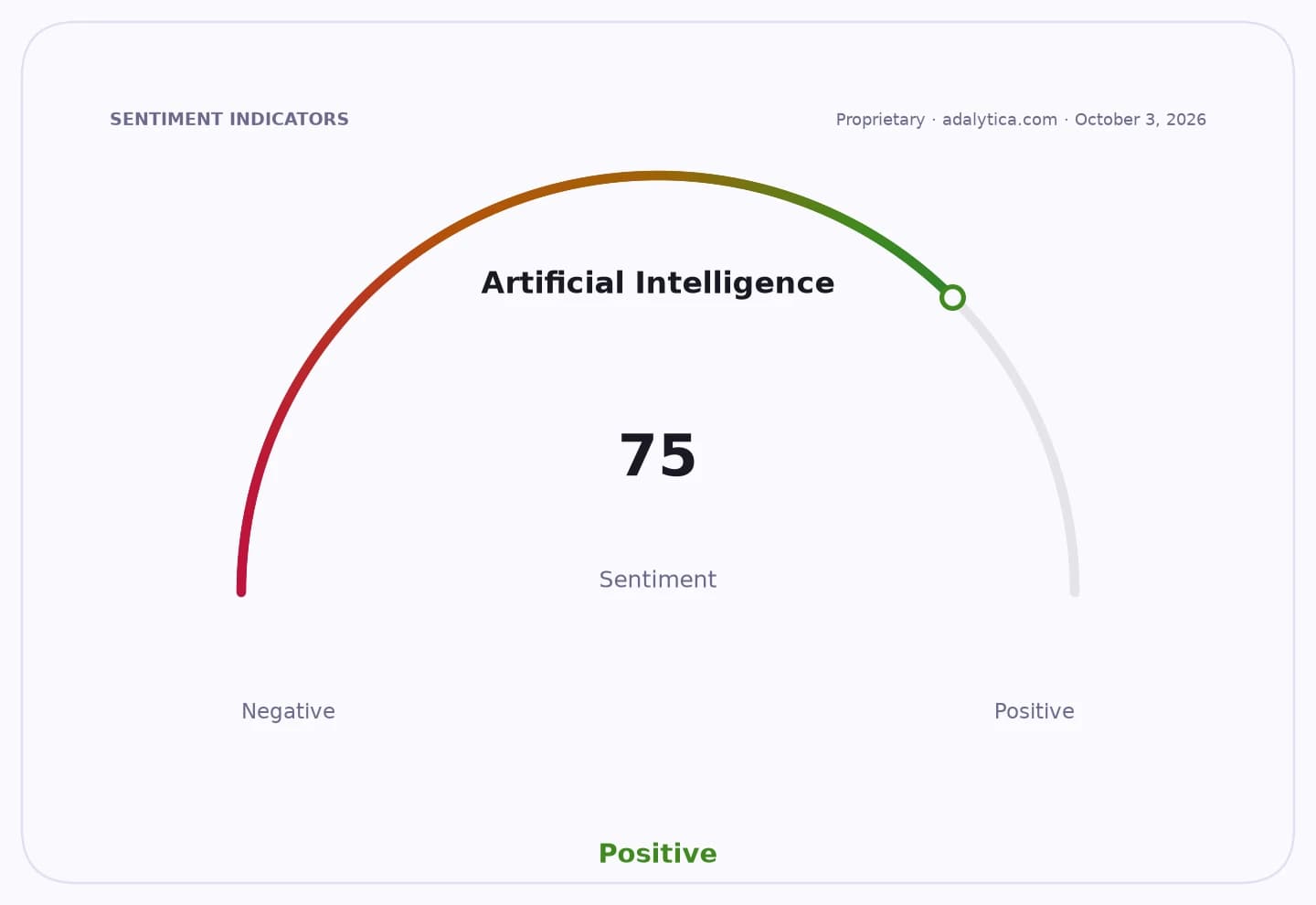
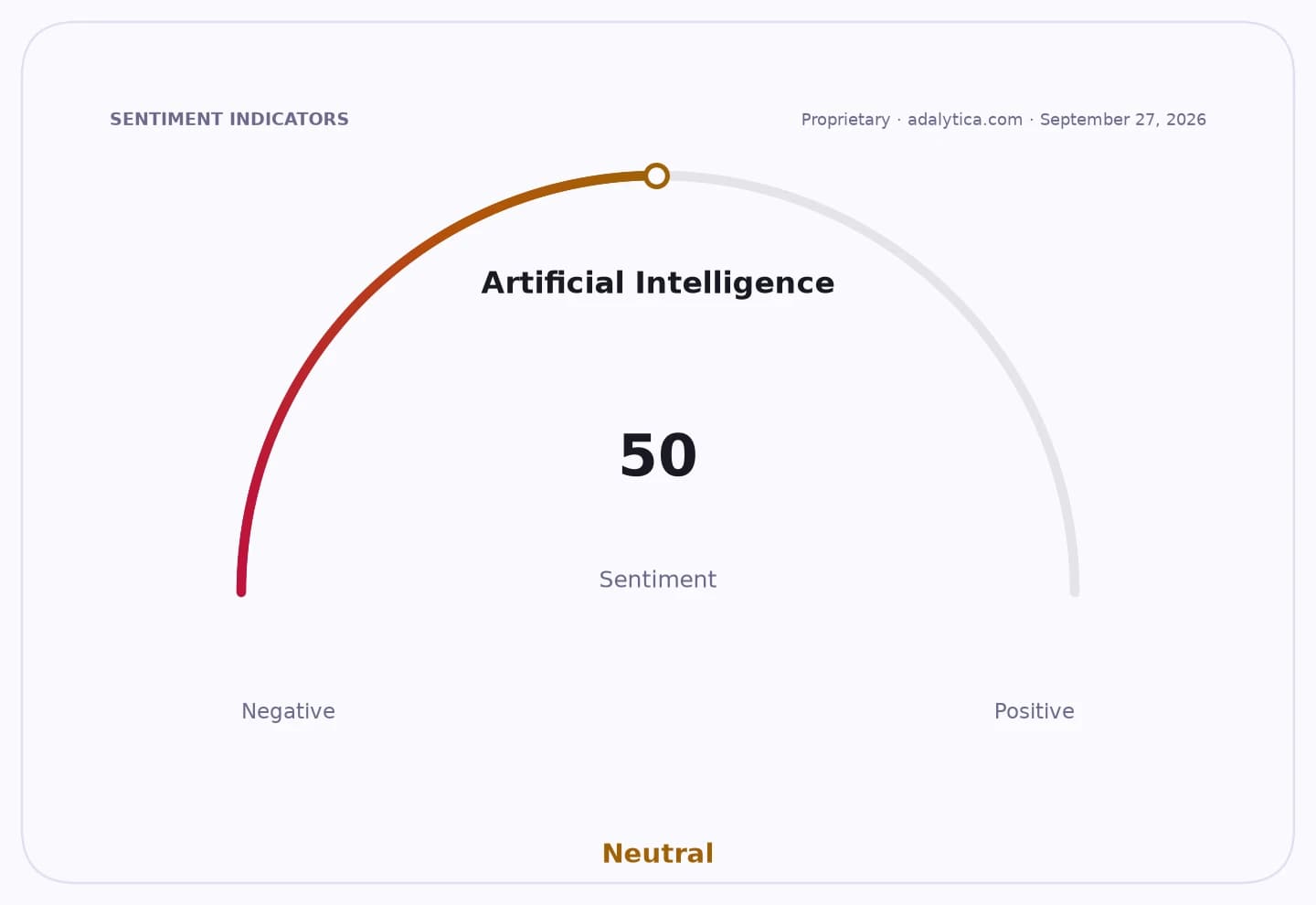
Artificial intelligence is amplifying that problem by changing the entry-level jobs that typically absorb new graduates. Technology companies are increasingly deploying AI tools in ways that reduce demand for routine tasks or alter the skills required for junior roles, raising concern that some of the first jobs on the career ladder are disappearing or becoming harder to qualify for.
An International Labour Organization report said about 7.5% of jobs held by people aged 15 to 29 in East Asia are highly exposed to AI. It estimated that if 10% of those jobs were lost, around 1.5 million young people in the region could be pushed to look for other work, become unemployed or leave the labor force.
For investors, the message is that China’s AI boom is not just a productivity story — it is also a labor and demand story. Slower hiring for young workers can weigh on consumption-sensitive sectors, while the push to automate may support large tech platforms and software providers even as it raises policy pressure on companies to protect employment.
The issue also feeds into a broader debate about whether AI adoption will create enough new roles to offset the jobs it displaces, particularly in services and technology-heavy parts of Asia. China changed its youth unemployment methodology in 2023 to exclude students, making direct comparisons difficult, but the latest reading still points to a labor market that remains under heavy strain.
The next test will be whether Beijing rolls out more targeted job-creation measures or training programs as the graduate pipeline stays large and AI adoption widens across corporate China.
| Entity | Gains | Losses |
|---|---|---|
| AI adopters | ▲Lower labor costs | ▼Entry-level job seekers |
| Large tech firms | ▲Higher productivity | ▼Recent graduates |
| Chinese policymakers | ▲Incentive to act | ▼Labor-market stability |
| Consumers | ▲Better long-term services | ▼Near-term income growth |