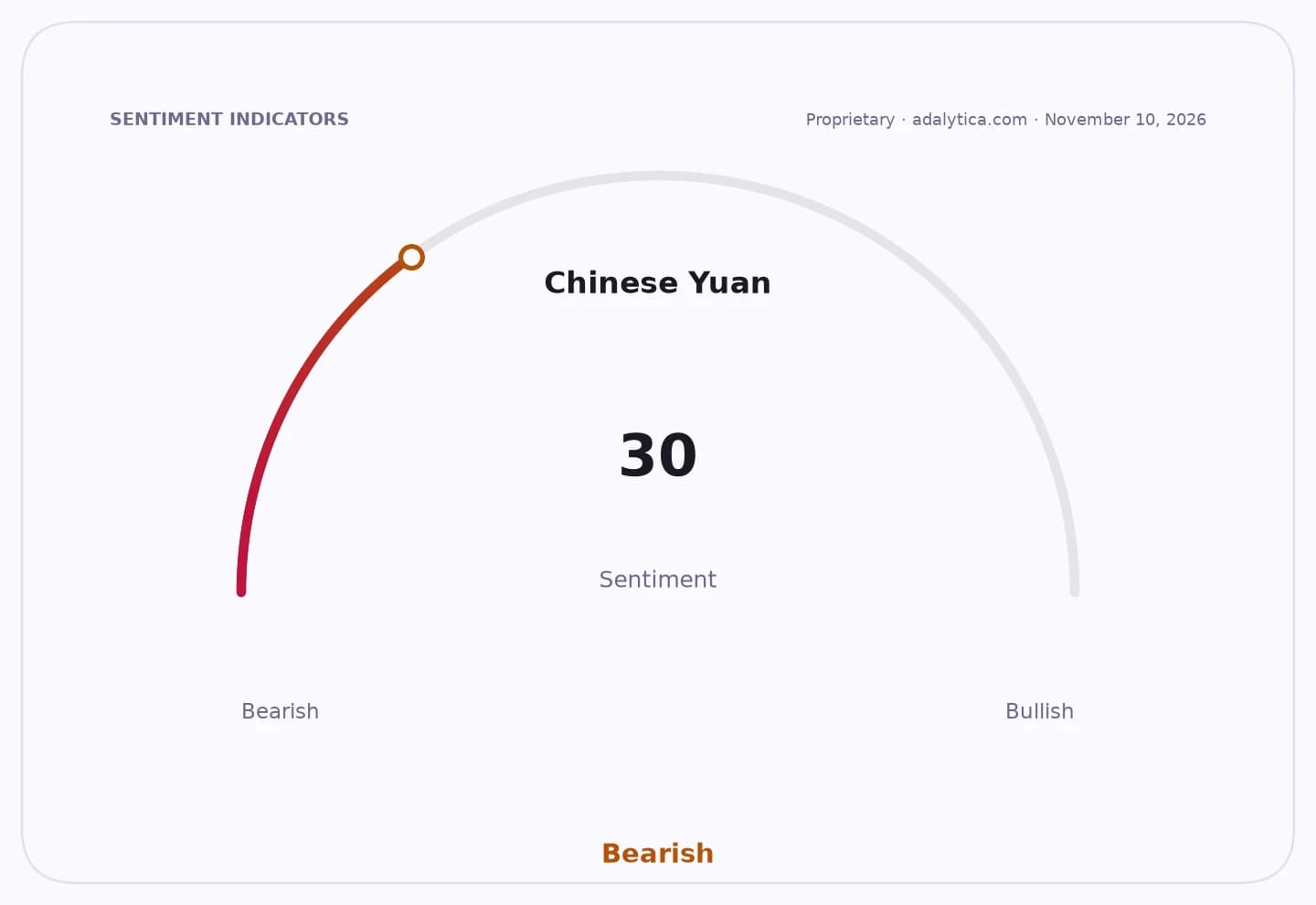
China’s stronger yuan is starting to bite into exporters’ margins, and that makes the currency’s recent rise more than a market story — it is becoming a direct threat to jobs, factory profits and China’s growth model.
China yuan rise pressures exporters and margins
The yuan has climbed nearly 5% against the dollar and about 9% against the euro this year, a move that has made Chinese goods more expensive overseas just as manufacturers are already wrestling with weak domestic demand, overcapacity and thin profits. For investors, that means the pressure is not just on exporters themselves, but on a broader slice of China’s industrial economy that has long relied on a weak currency to stay competitive.
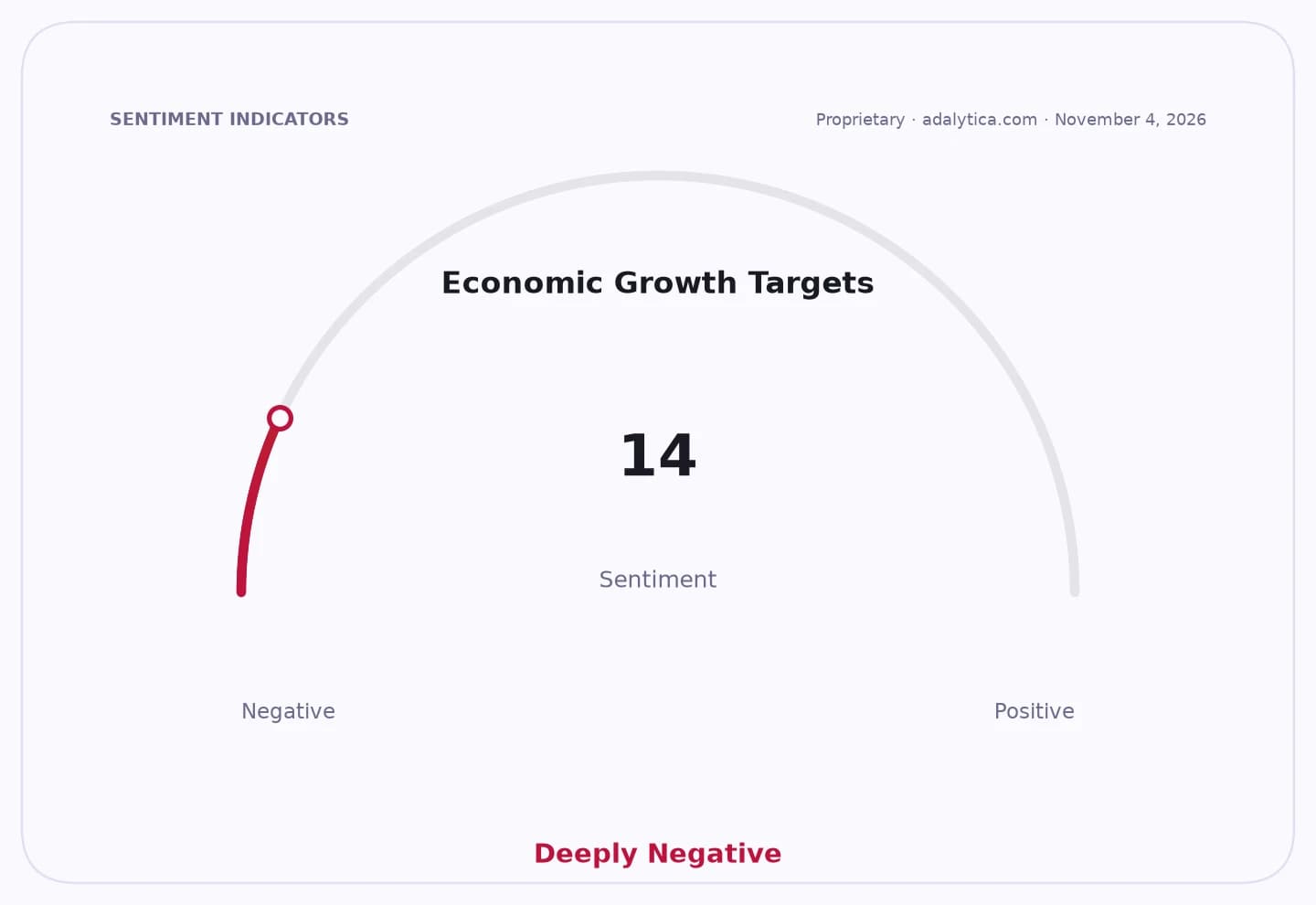
Sentiment Indicators
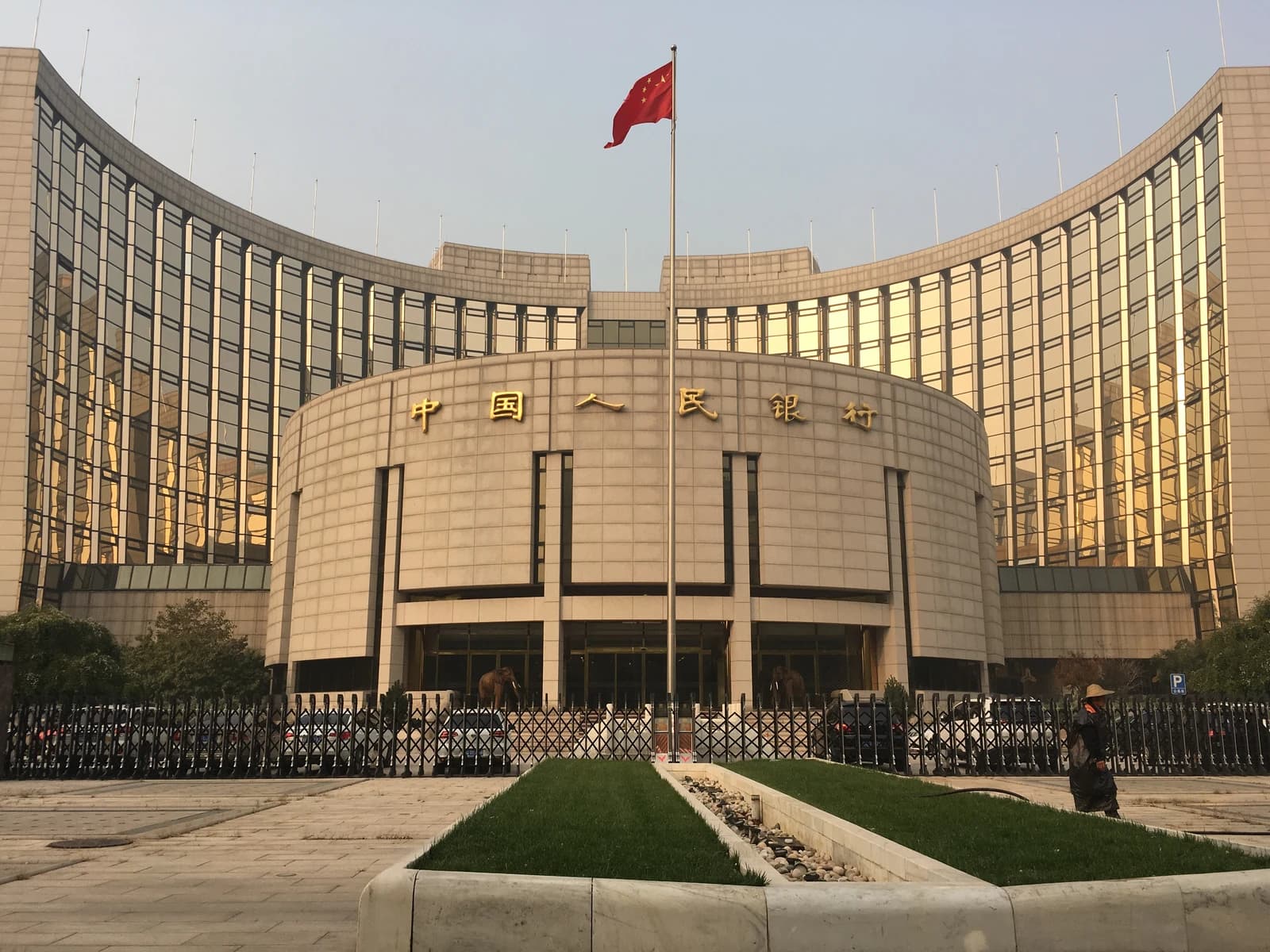
That is why Beijing is trying to slow the yuan’s advance without triggering the kind of disorder that could spook markets. The People’s Bank of China recently raised the foreign-currency reserve requirement for banks, a signal that policymakers are uneasy about the pace of appreciation. Officials could still lean on weaker daily fixings or more tightening of reserve rules if they want to cool the rally further.
The stakes are high because many Chinese exporters are operating on razor-thin margins. A Reuters review of 5,209 listed companies found median net profit margins of just 4.9% in the first half of the year, well below 8.9% for global peers. Standard Bank estimates that every 1% rise in the yuan’s real effective exchange rate trims average export margins by about 30 basis points. In practical terms, that is enough to separate survivors from casualties in labour-intensive sectors such as textiles, plastics and home appliances.
For Beijing, the dilemma is structural. The IMF said in July the yuan was undervalued by 17.3% to 25.3%, reinforcing foreign calls for appreciation. A stronger currency would make imports cheaper for Chinese households and could, in theory, help rebalance the economy away from exports. But with consumption still soft, a faster rise risks amplifying deflationary pressure and forcing more factories to cut jobs.
That is the central narrative investors should watch: a currency that is moving in the “right” direction for trade partners may be moving too quickly for China’s industrial base. Goldman Sachs sees the yuan strengthening to 6.40 per dollar over the next 12 months from around 6.70, suggesting the squeeze may not be temporary.
For long-term investors, the question is not whether China will keep supporting exporters — it likely will — but whether policy can offset the damage if the yuan keeps appreciating. That tension should keep pressure on the shares of lower-margin manufacturers, while benefiting importers and consumers if the stronger currency endures. In the meantime, China’s export machine is no longer just a story about global demand. It is also a story about whether Beijing can protect growth without fighting the currency market too hard.
| Entity | Gains | Losses |
|---|---|---|
| Chinese consumers | ▲Cheaper imports | ▼— |
| Beijing policymakers | ▲Stronger currency optics | ▼Export growth pressure |
| Export-oriented manufacturers | ▲— | ▼Margin compression |
| Foreign buyers | ▲Lower inflation from imports | ▼Pricier Chinese goods |