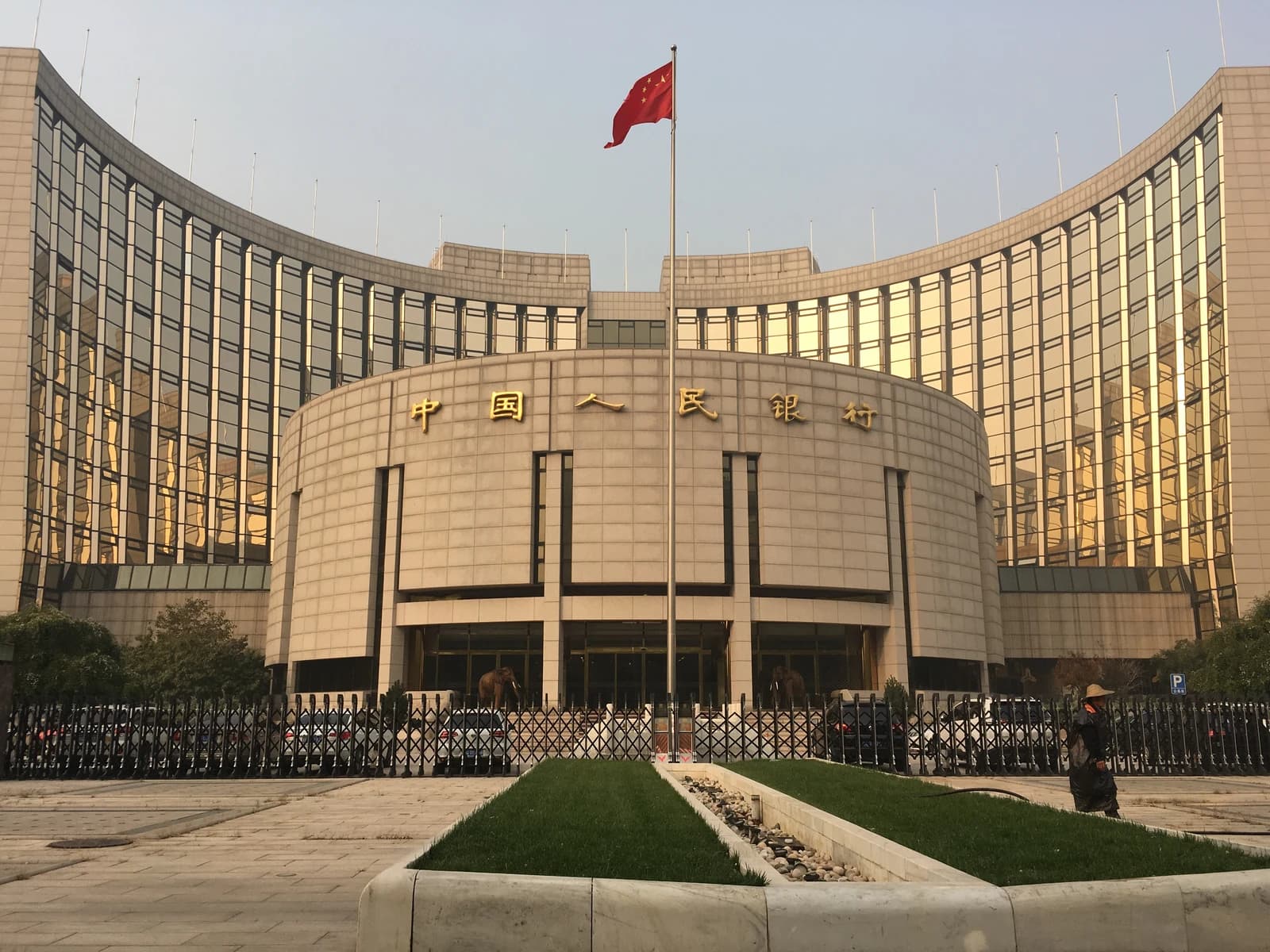
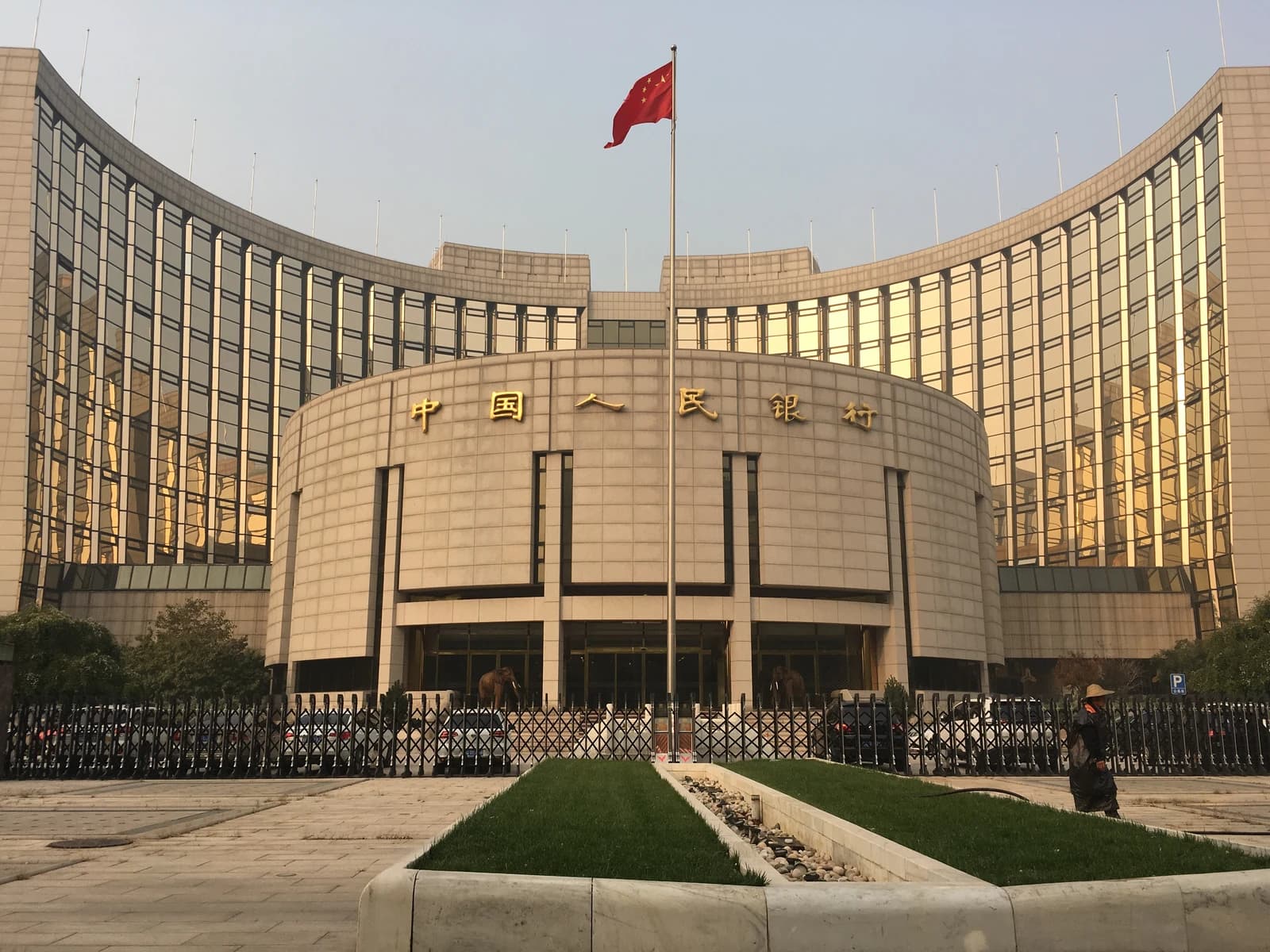
The Chinese yuan slipped to 6.7168 per U.S. dollar on Friday, a modest move on the day but one that underscores the bigger story for investors: the dollar is firming while China’s currency remains under pressure.
Chinese yuan slips to 6.7168 per dollar
Chinese Yuan
That matters because exchange rates feed directly into trade, capital flows and the earnings outlook for companies with overseas exposure. A weaker yuan can cushion some exporters by making Chinese goods cheaper abroad, but it also raises the cost of importing commodities and other dollar-priced inputs, which can squeeze margins for manufacturers and add to inflationary pressure inside China.
Sentiment Indicators
The central parity rate was set 12 pips weaker, according to the China Foreign Exchange Trade System. In China’s managed foreign-exchange regime, the yuan is allowed to move 2% above or below that daily reference rate, so even small changes in the fix can signal how policymakers are leaning as markets test the currency.
For investors, the significance is broader than a single print. Currency weakness often reflects a mix of slower domestic growth expectations, softer capital inflows and a stronger greenback. The dollar has been gaining support from tighter relative U.S. rates and a still-resilient U.S. economy, while Adalytica’s trade signals show extreme greed in the dollar and fear in the yuan — a reminder that positioning has shifted in favor of the U.S. currency.
That cross-current matters for global portfolios. A firmer dollar tends to pressure emerging-market assets, weigh on commodity prices in local-currency terms and complicate policy choices for countries trying to support growth without triggering more outflows. For China, a weaker yuan may help exporters, but it can also revive concerns about how much support the economy still needs.
Exchange rates rarely move in a straight line, and Beijing still has tools to smooth volatility if it wants to. But for long-term investors, the message is clear: the yuan’s slide is another sign that currency markets remain a live part of the China investment story, and one worth watching alongside growth, policy and corporate earnings.
| Entity | Gains | Losses |
|---|---|---|
| Chinese exporters | ▲Price competitiveness abroad | ▼Higher imported input costs |
| U.S. dollar | ▲Stronger global demand | ▼Less upside if Fed easing starts |
| China importers | ▲— | ▼More expensive dollar-priced goods |
| Global investors | ▲Export-led opportunities | ▼FX volatility and capital outflow risk |